The Science of Afferentology
Explore research articles, scientific insights, and the neuroscience behind afferent input and muscle function.
Foundation Articles
Essential concepts for understanding Afferentology

Why Afferent Input Matters
Understanding why paying attention to afferent input is crucial for examining and treating patients based on neurological input and output.
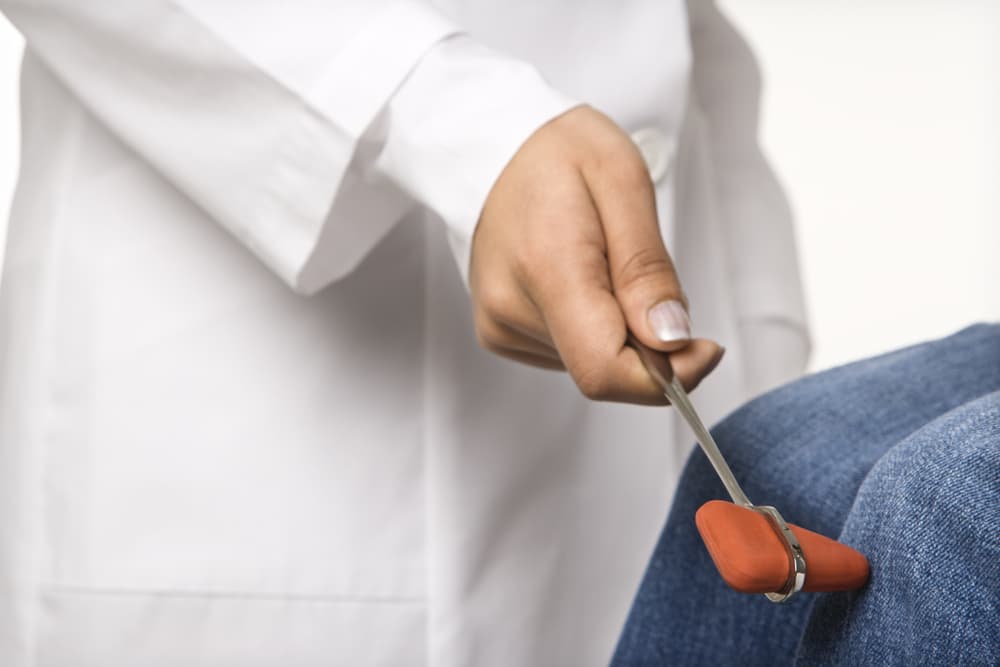
The Myotatic Reflex
Your body's most important defense mechanism for controlled movement, injury prevention, and maintaining proper muscle tone.
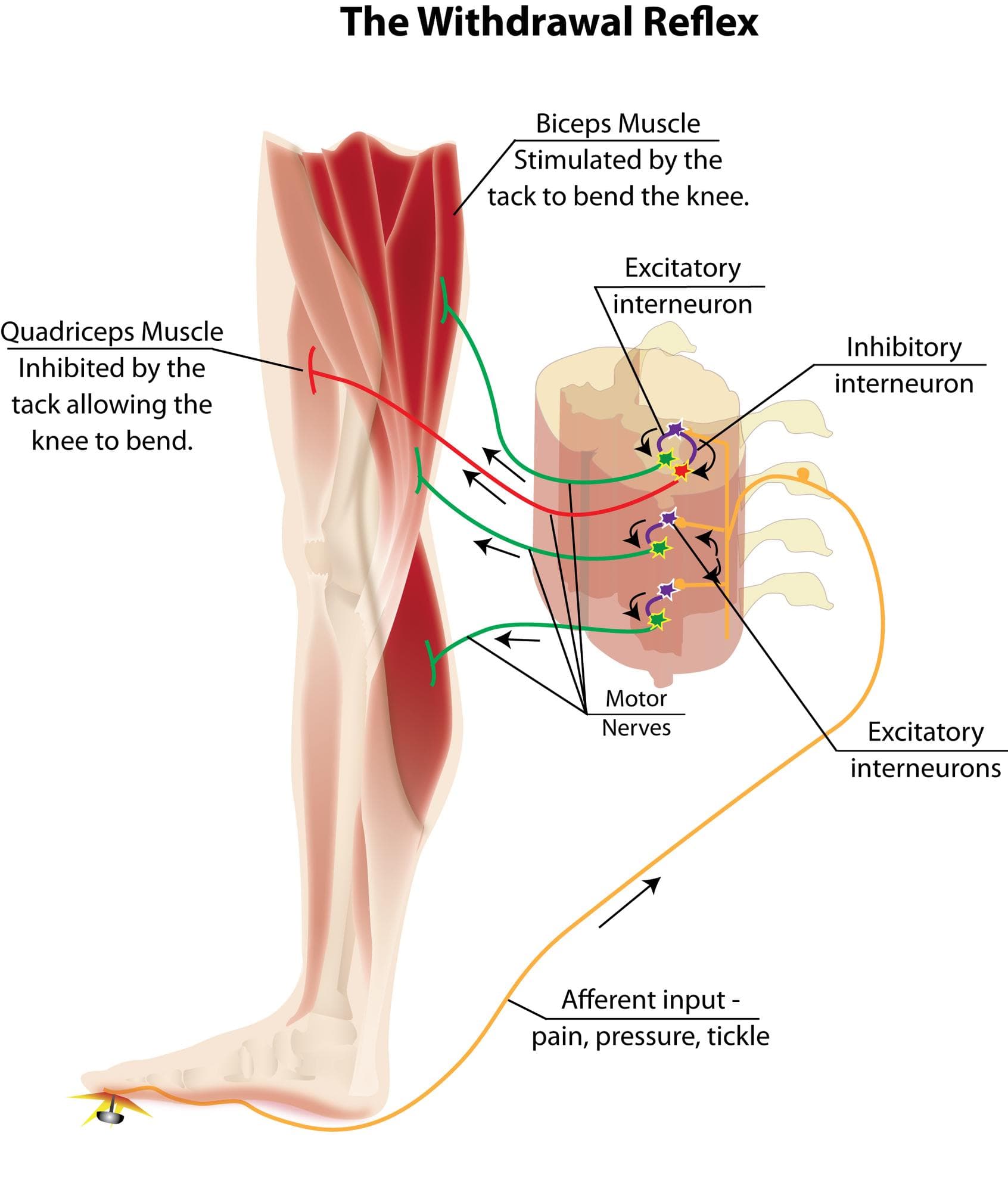
The Withdrawal Reflex
How sensory receptors have direct control over muscle tone to protect us from danger and respond to irritation.
Latest Research & Articles
Recent insights and case studies
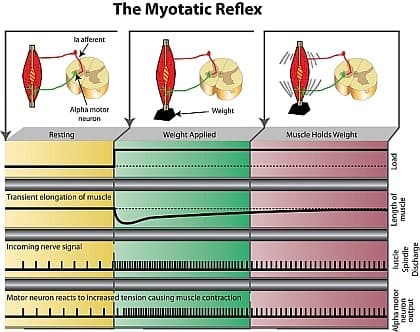
The Myotatic Reflex Diagram That Fooled Me for Years
For years I taught that a resting muscle hums along at a steady 50Hz. The recordings say otherwise, and what they show changes how we should think about every spinal segment we palpate.
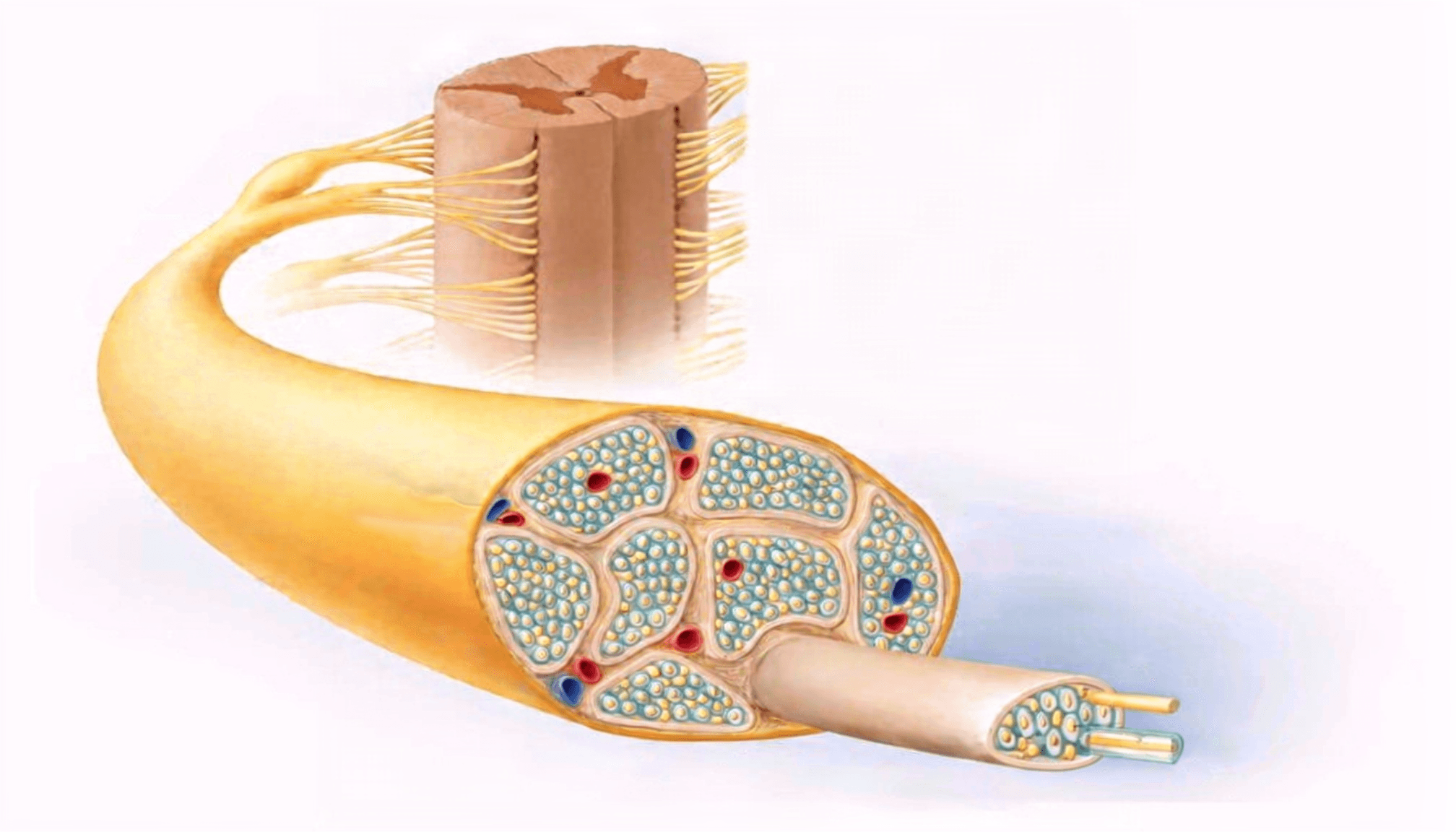
One Cable, Two Directions: How a Spinal Nerve Carries Messages In and Out Without Crossing Wires
Every spinal nerve carries sensory signals in and motor commands out, packed side by side in the same cable. Here's how that works, why the signals never cross, and how we finally learned to listen to a living human nerve.
A Muscle Tone Experiment
My attempt to reproduce the protocols used by the landmark study in the British Medical Journal.

Muscle Spindles Measure Force, Not Just Length
Muscle spindles don't just measure length. New research shows they track force and how fast it changes, which is why strong muscles can fail mid-movement.

How Body Piercings Undermine your Health and Wellbeing
Body piercings hit very sensitive nerve sensors as they pass through the skin. These activate the withdrawal reflex, contracting some muscles inhibiting others. This can have long term repercussions.

I Asked the Professor What Causes the Weakness. He Said Ageing.
Professor Mike Hurley published the ESCAPE trial in 1999: muscle weakness may cause joint damage rather than follow it. When I interviewed him, he told me why it was never proven — the study cost more than anyone would pay. Then I asked what causes the weakness, and the answer showed how few options remain once one has been left off the menu.
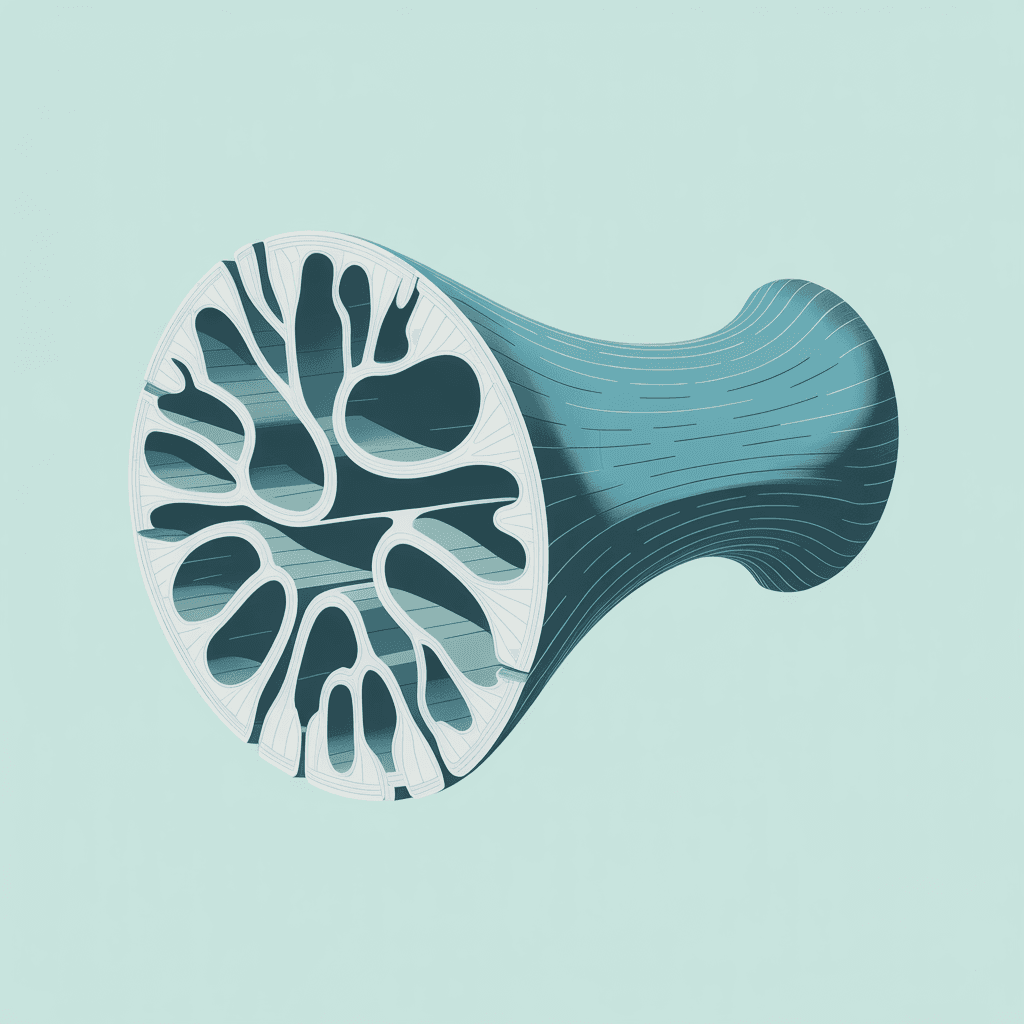
Osteoporosis and Bone Density: Muscle Tone Is the Loading Signal the Bone Responds To
Bone density is regulated by mechanical loading — the compressive and tensile forces applied through muscle contraction. When muscles are chronically inhibited by abnormal afferent input, the loading signal to bone is reduced and remodelling shifts toward resorption. Exercise alone cannot compensate if the motor neuron supply to the relevant muscles is compromised by a withdrawal reflex from lumbar disc, scar, or remote afferent sources.

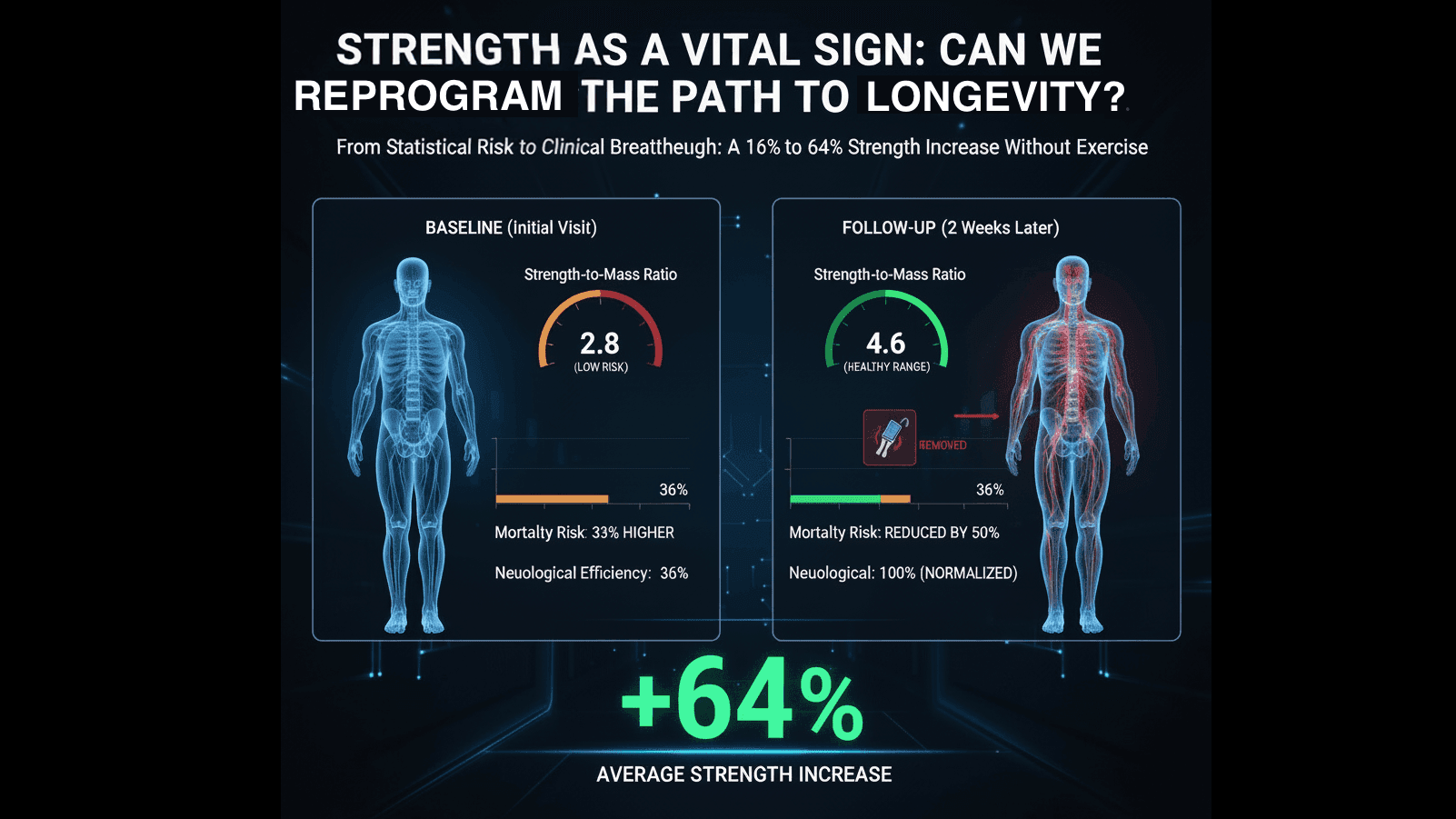
Strength Is a Vital Sign. A Pair of Hands Measures It Better Than a Machine.
We measure blood pressure, cholesterol and HbA1c — but almost never whether your muscles actually work. When researchers tested both methods head to head in intensive care, manual muscle testing predicted who survived. The grip machine didn't. Here's why strength is a reading of your nervous system, not a fitness score.
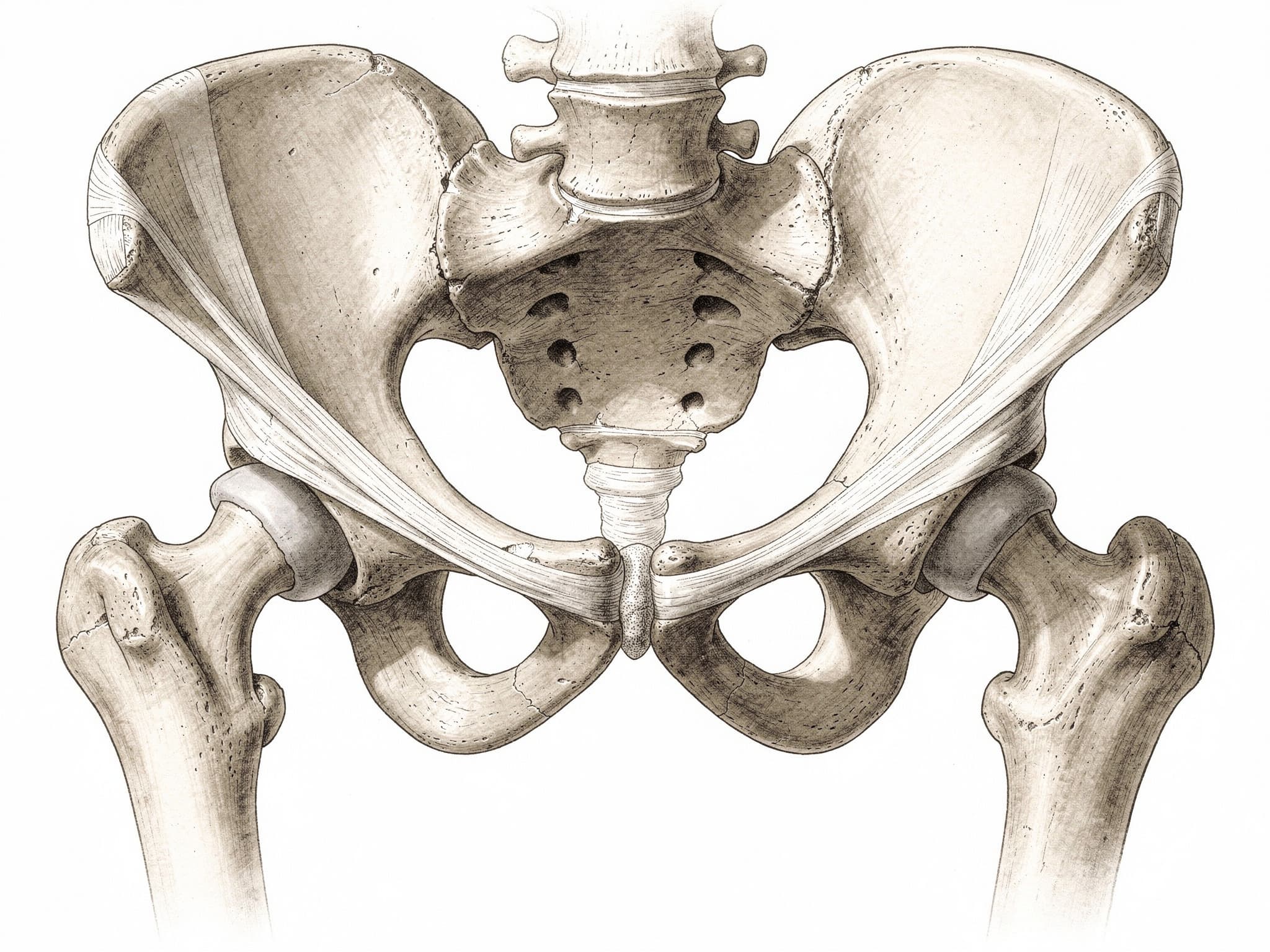
Groin Pain and Adductor Inhibition: The Missing Link in Pelvic Stability
The adductors are primary compression generators across the pubic symphysis and among the most commonly inhibited muscle groups in persistent groin pain. An inguinal hernia — even subclinical — produces a withdrawal reflex that inhibits the adductors and lower abdominals simultaneously. Without inguinal afferent assessment, adductor tendinopathy and osteitis pubis pattern pain cannot be neurologically explained or effectively treated.
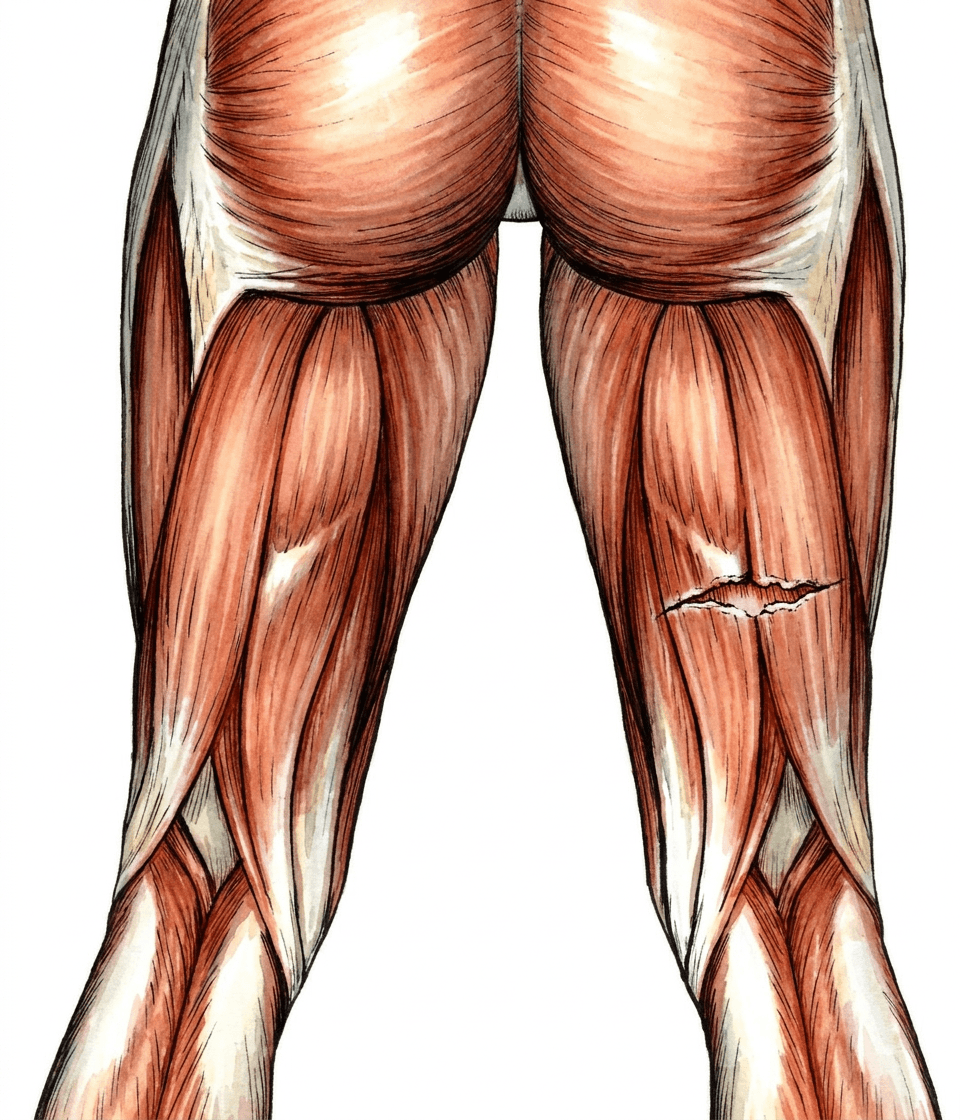
Hamstring Strain and Chronic Tightness: The Injury That Keeps Happening
Chronic hamstring strains share a neurological signature: the hamstrings are receiving a excessive stimulation from the spinal cord. The muscle is tight not because it is structurally shortened but because the nervous system has elected to brace it, often in response to a weakness in the antagonist.
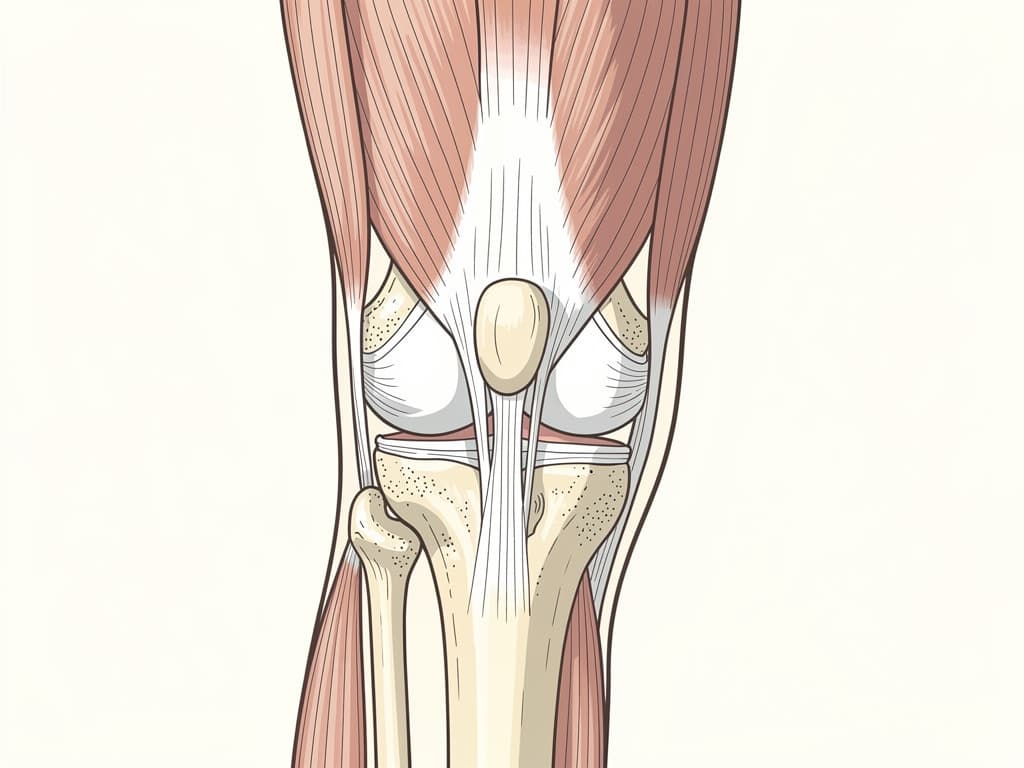
Patellofemoral Pain Syndrome: The Reason Exercise Isn't Working
The quadriceps is the primary patellar stabiliser. When it is neurologically inhibited the patella tracks laterally under load, creating anterior knee pain. Standard rehabilitation prescribes quadriceps exercises into motor neuron inhibition. The exercises cannot work until the programming is restored.
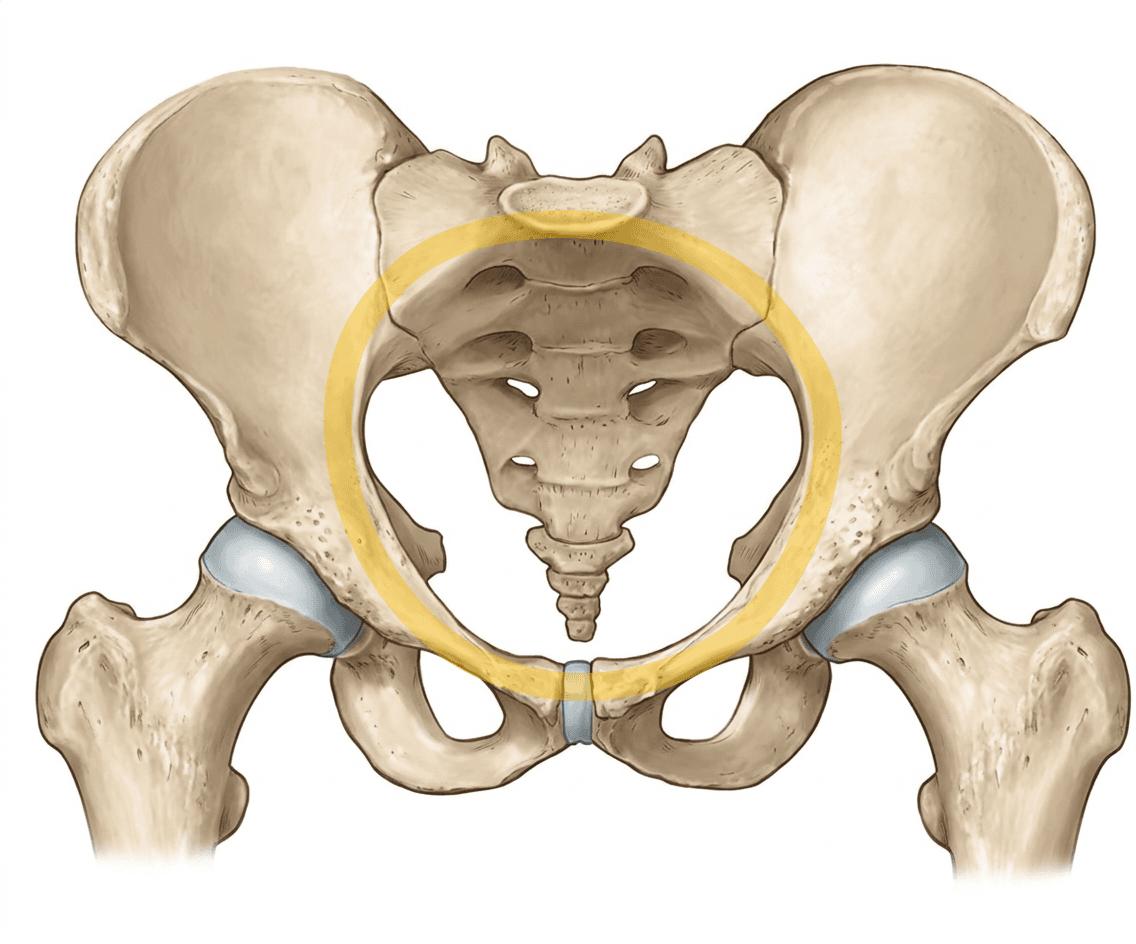
Sacroiliac Joint Pain: Pelvic Instability as an Indicator of Inguinal Hernia
The sacroiliac joint has no active muscular control of its own — its stability is entirely dependent on the surrounding musculature maintaining adequate tone. The presence of a direct inguinal hernia can lead to an inhibition of the muscles and ligaments supporting the pelvic ring, including the sacroiliac joint.
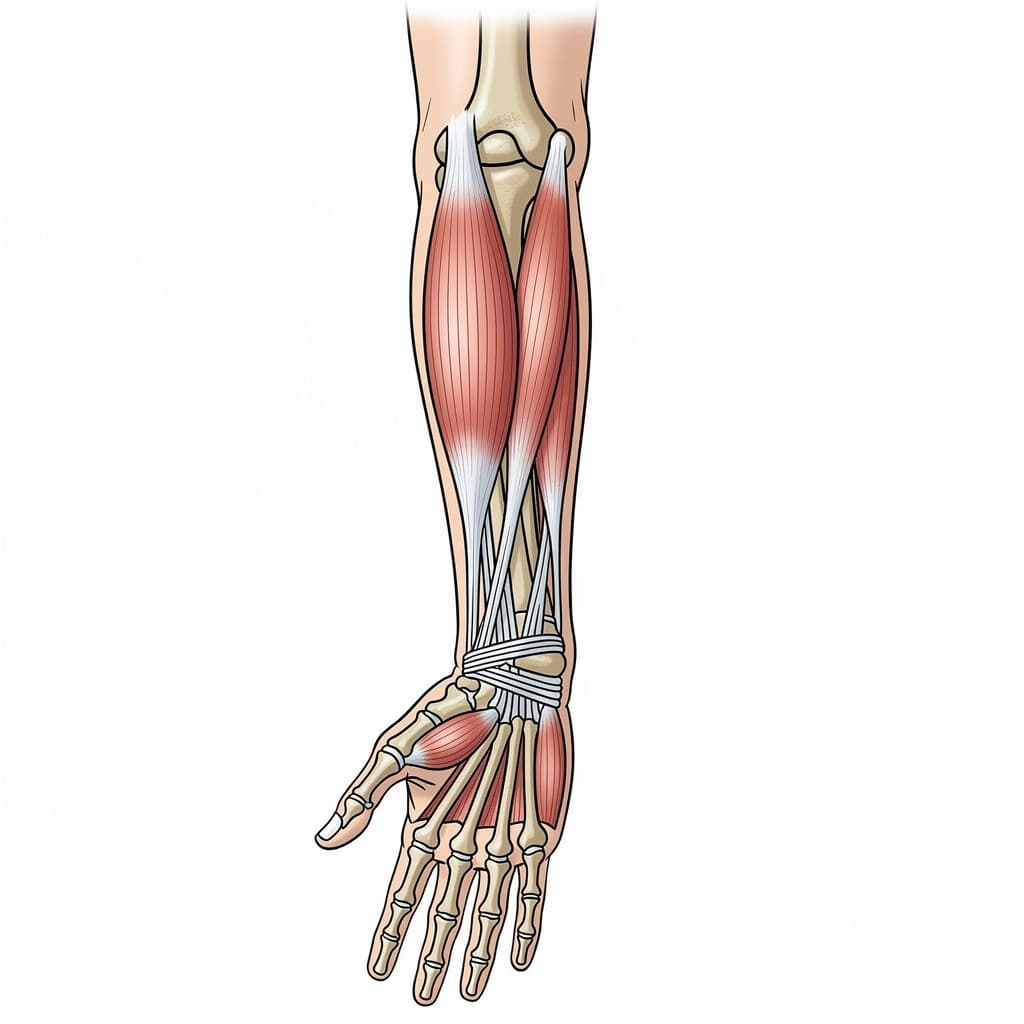
Tennis Elbow: Why Local Treatment Keeps Failing
Lateral epicondylitis is almost never a local tissue problem. The wrist extensors attach at the lateral epicondyle and their inhibition — from cervical disc, shoulder dysfunction, or radial tunnel afferents — transfers load to the tendon that the muscle should be absorbing. Injection, shockwave, and eccentric loading all target the hardware while the software failure continues unchallenged.
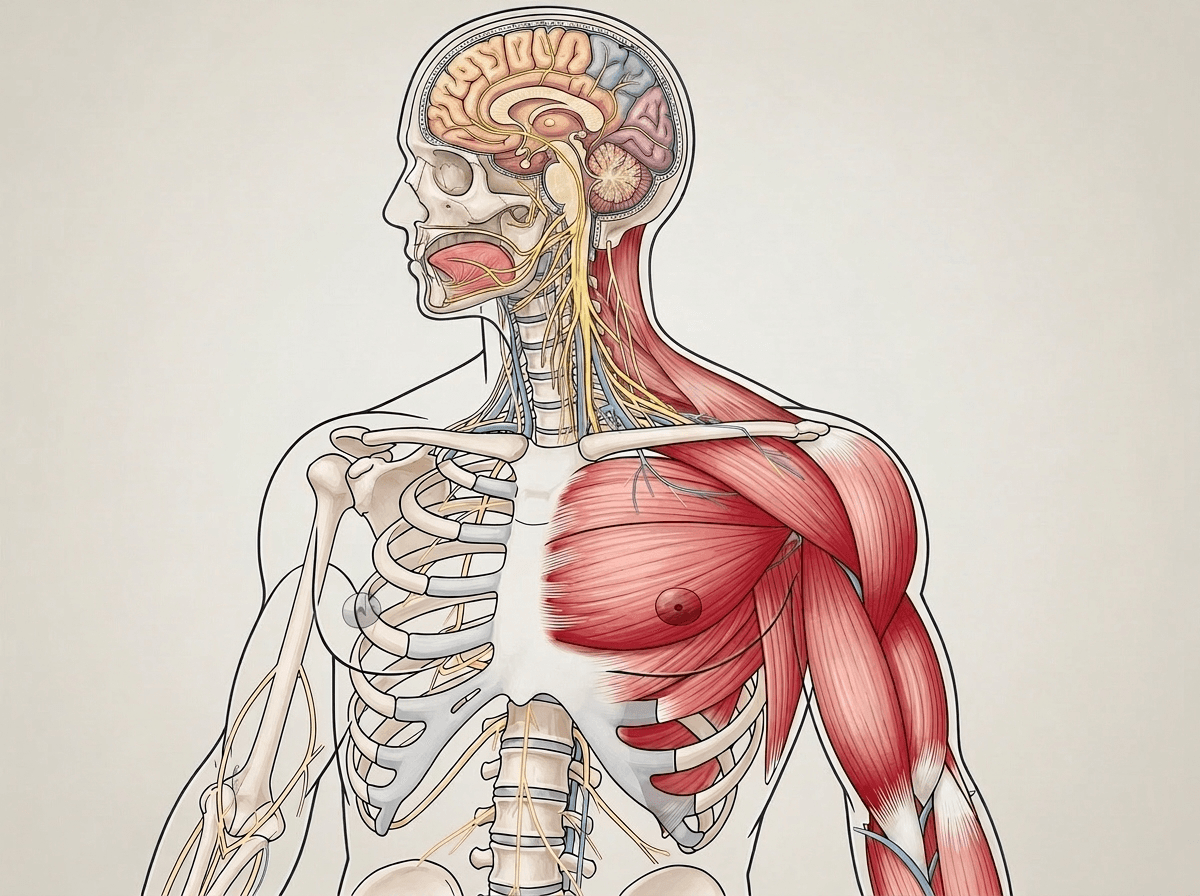
The Taste on Your Tongue Is Talking to Your Muscles
A patient lifts a weight with ease. A moment later, denture material touches the tip of her tongue, and the same lift becomes impossible. What we filmed raises a question most practitioners have never been trained to ask: what is taste actually doing to the rest of the body?
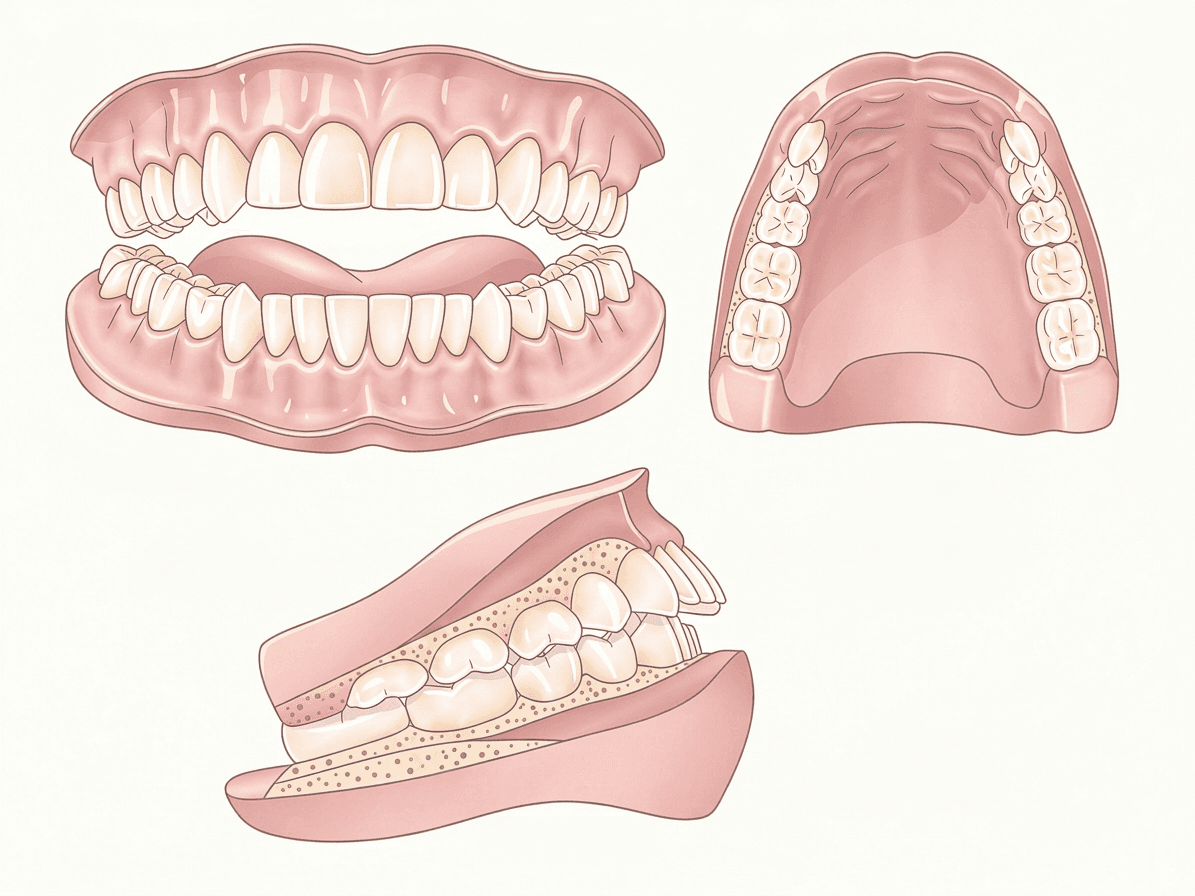
What's Left Behind: The Hidden Chemistry of Denture Acrylic
A patient's denture fits perfectly, looks perfect, and still leaves her with a burning tongue and gums that never quite feel right. The answer isn't in the fit at all, it's hidden in the toxicity of the material itself.
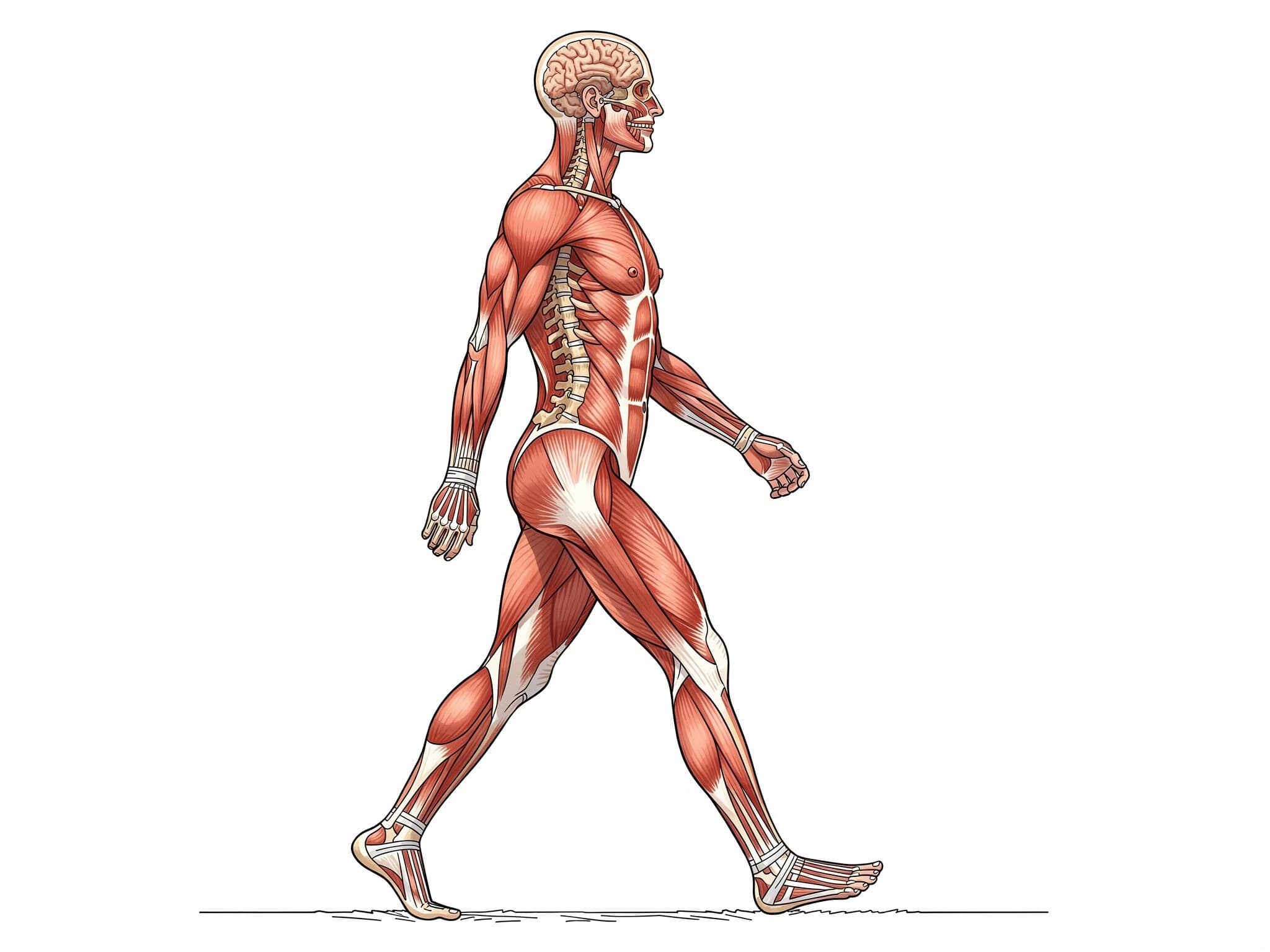
The Gait Speed Fallacy: Why Walking Faster Won't Save Your Life
Epidemiological research has long confirmed that walking speed is one of the most accurate surrogate predictors of human mortality. But treating a slow gait by simply forcing yourself to walk faster is like painting over a "check engine" light—it confuses the symptom for the cause while ignoring the deep neurological breakdown occurring beneath the surface. This article explores why gait speed is a biological readout of sensory processing and motor output, and why restoring true functional longevity requires clearing neurological interference rather than forcing speed over signal.
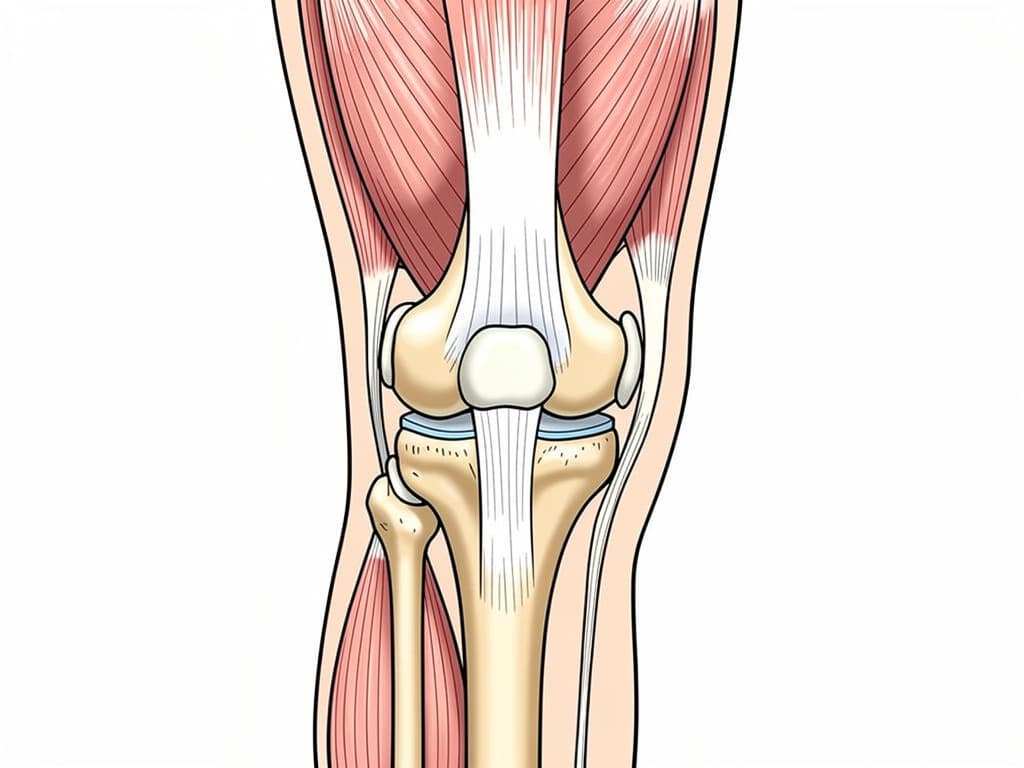
Knee Pain: Why the Quadriceps Inhibition Nobody Is Testing Is Destroying the Joint
The quadriceps are the primary protectors of the knee, controlling eccentric load through the myotatic reflex. When their motor neuron supply is compromised by a withdrawal reflex — from a lumbar disc, inguinal region, or knee joint afferents — force transfers directly to joint surfaces. The common clinical picture of quadriceps that will not activate despite months of rehabilitation is a software problem, not a muscle problem.
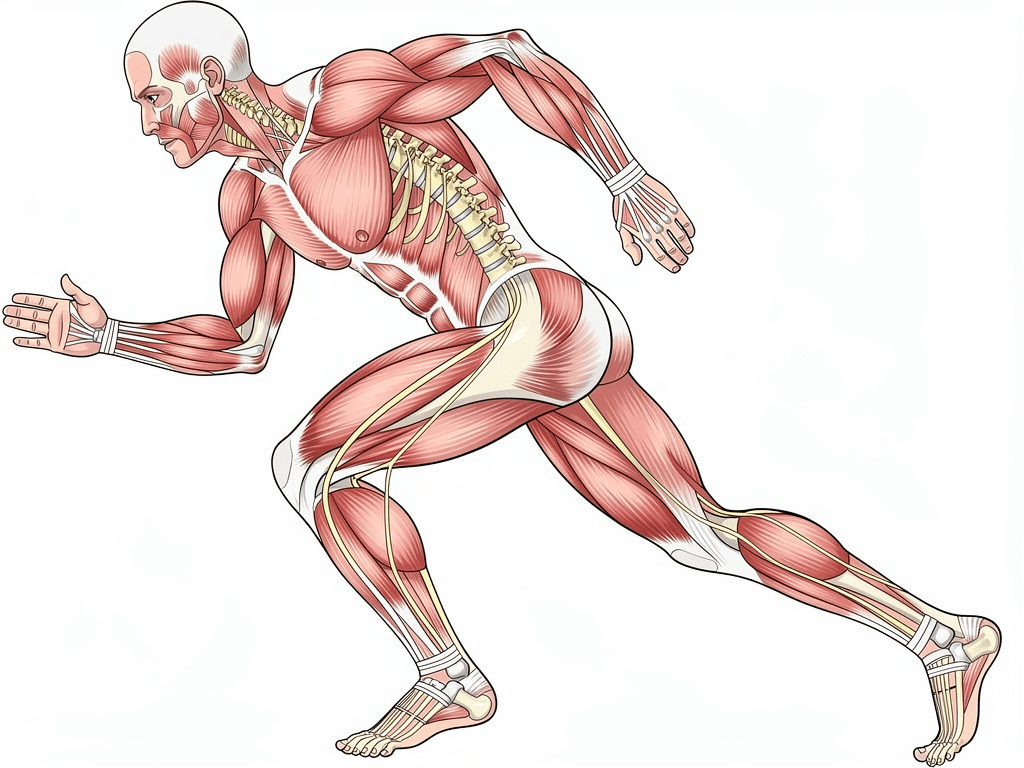
Chronic Fatigue: Why the Problem Might Be in Your Muscles, Not Your Adrenal Glands
The adrenal gland fires adrenaline in direct response to muscle spindle afferent input. Inhibited muscle tone suppresses this drive — producing persistent fatigue, low motivation, and poor stress tolerance. The adrenal gland is not the problem. The signal it depends on has been withdrawn.
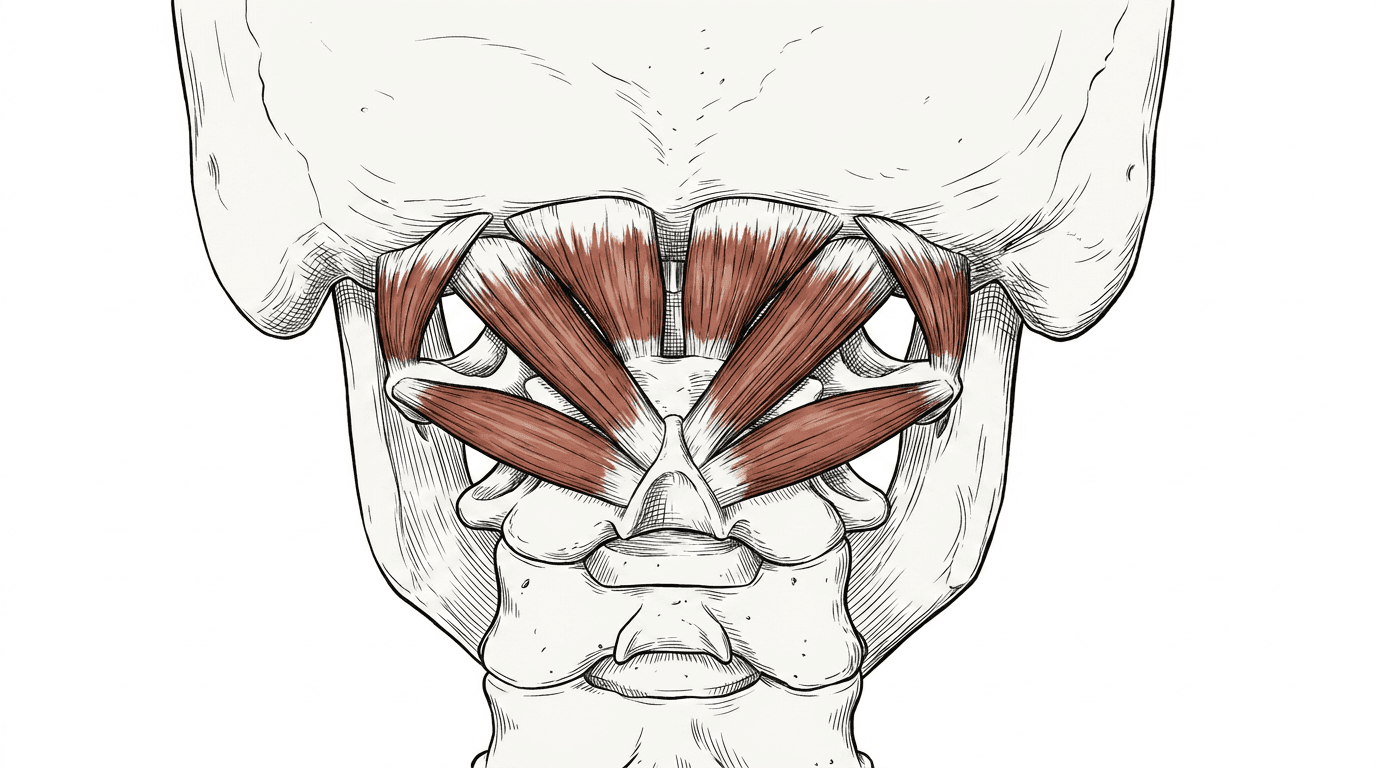
Suboccipital Pain and Cervicogenic Headache: The Neurons Behind the Suffering
Cervicogenic headache is driven by inhibition of the suboccipital muscles — rectus capitis posterior, obliquus capitis — not by structural cervical pathology. When an afferent irritant from a dental, cranial, or discal source reduces motor neuron output to these muscles, the upper cervical spine loses its primary soft-tissue protection. Restoring the afferent signal restores the tone, and the headache resolves.
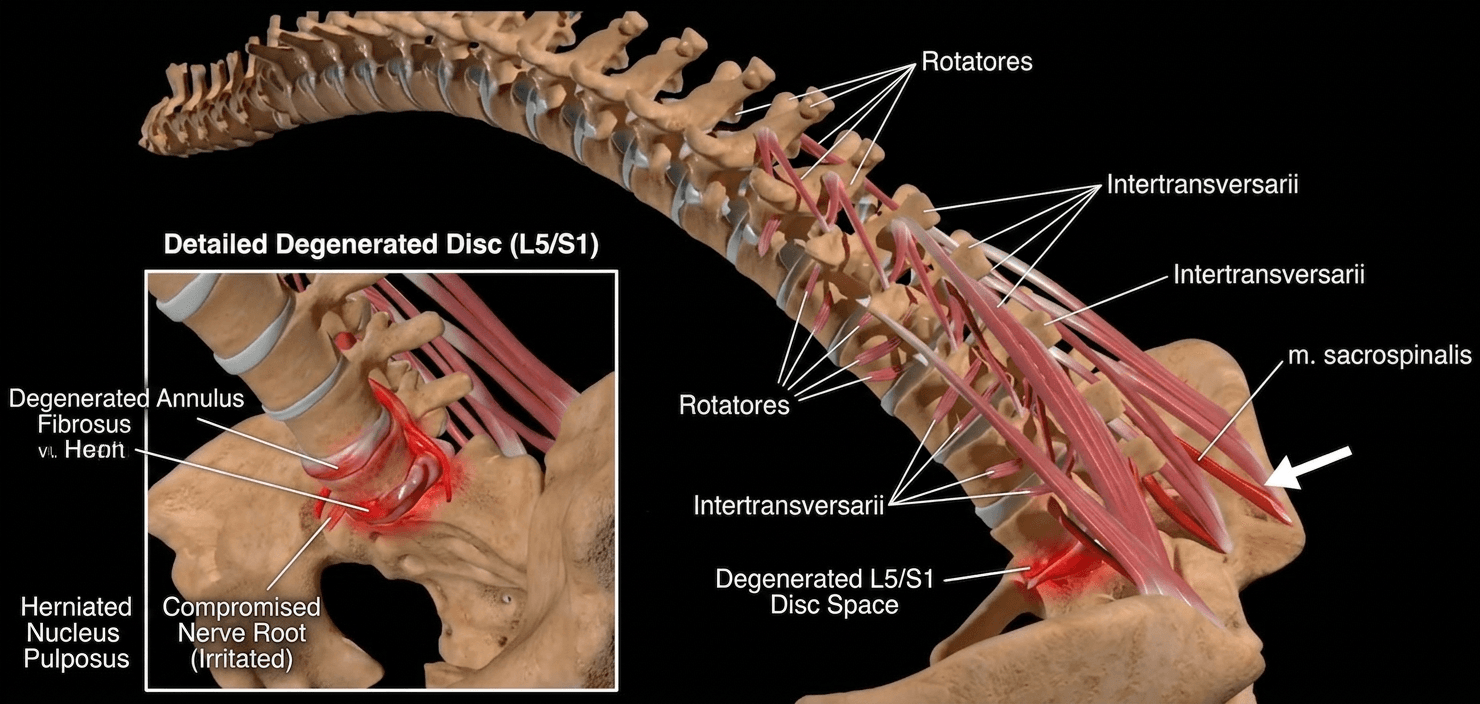
Acute Disc Herniation: A Failure of Muscle Control.
A disc herniation is not the beginning of the problem — it is the end result of a neurological short-circuit. Afferentology identifies the neuromuscular inhibition that leaves the deep spinal stabilisers compromised, predisposing the patient to disc injury, and traces this inhibition to its source.
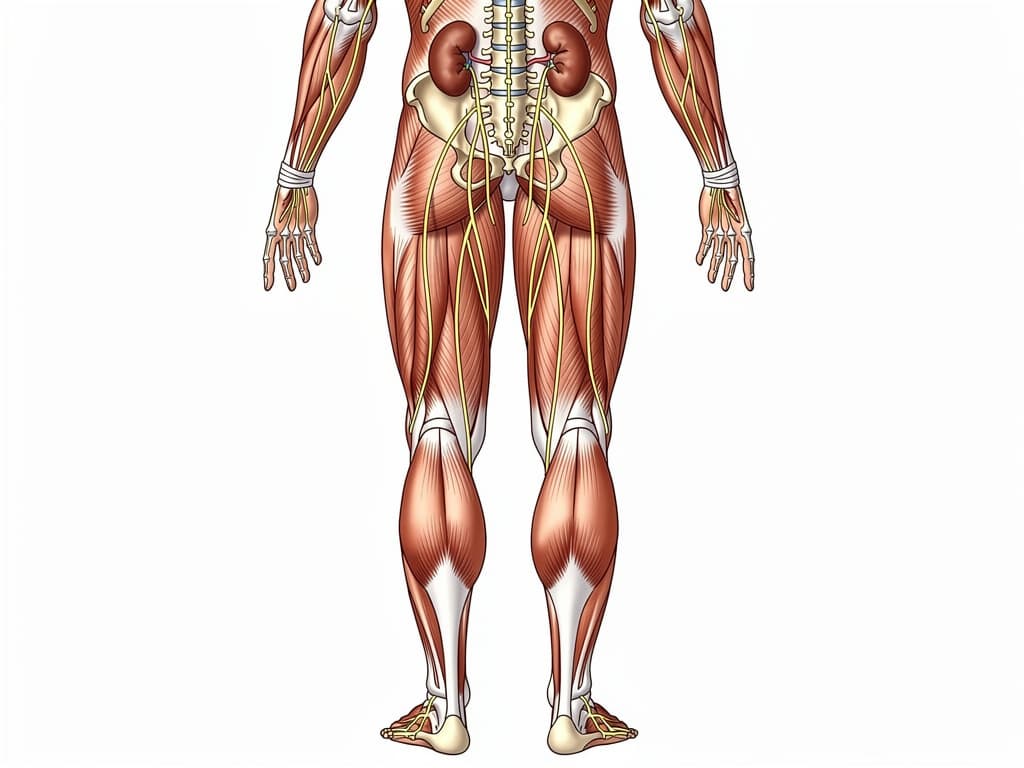
High Blood Pressure: The Kidney Is Listening to Your Muscles
Renal sympathetic nerve activity tripled within three seconds of muscle contraction onset — and dropped to zero when spindle afferents were cut. The kidney takes its regulatory instruction from the muscles. Inhibited muscle tone disrupts that instruction, and blood pressure follows.
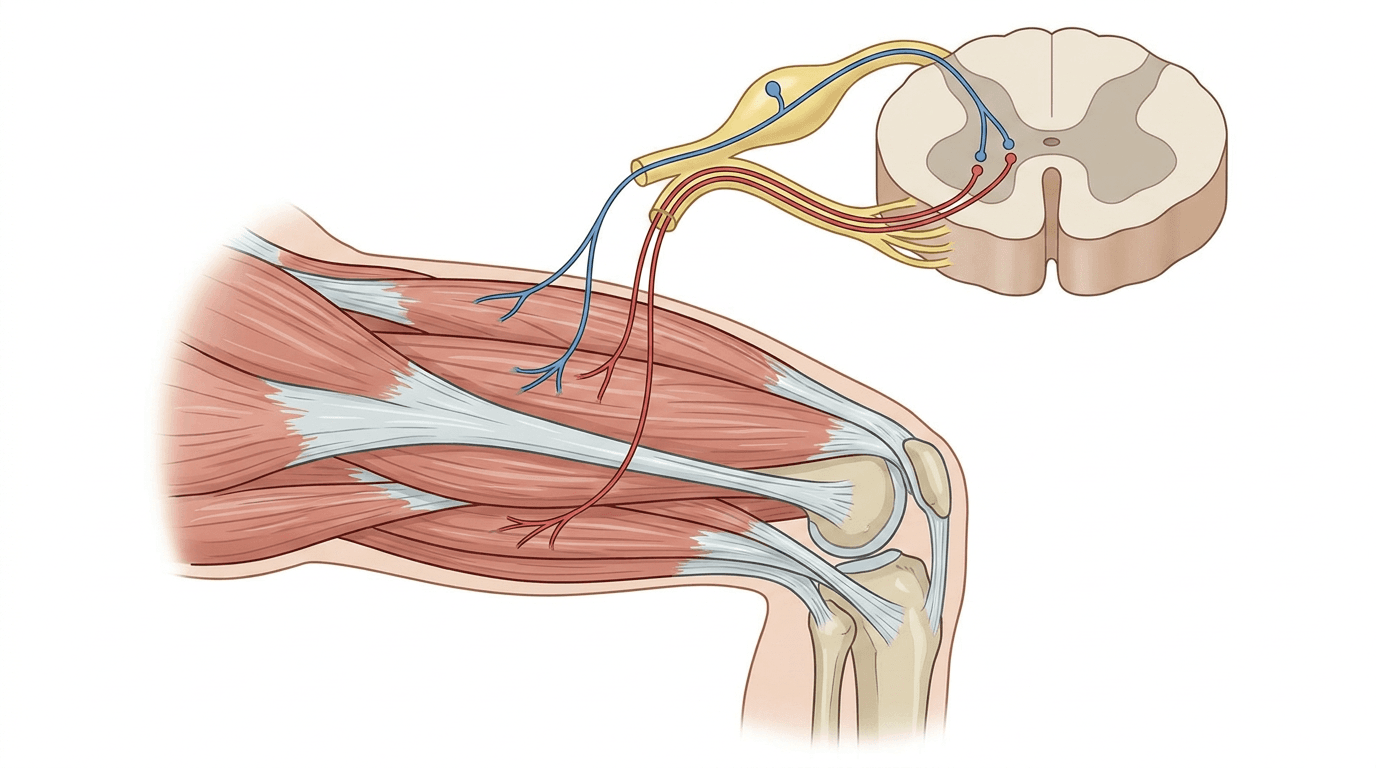
The Ultimate Audit of Human Function: Why Manual Muscle Testing is a Health Test
Many clinicians view manual muscle testing as a simple measure of physical strength or structural power. This article explores why a precisely applied manual test is actually the ultimate health assessment, offering an exclusive window into the nervous system's capacity to seamlessly transition between contractions and protect the body from unpredictable real-world forces.
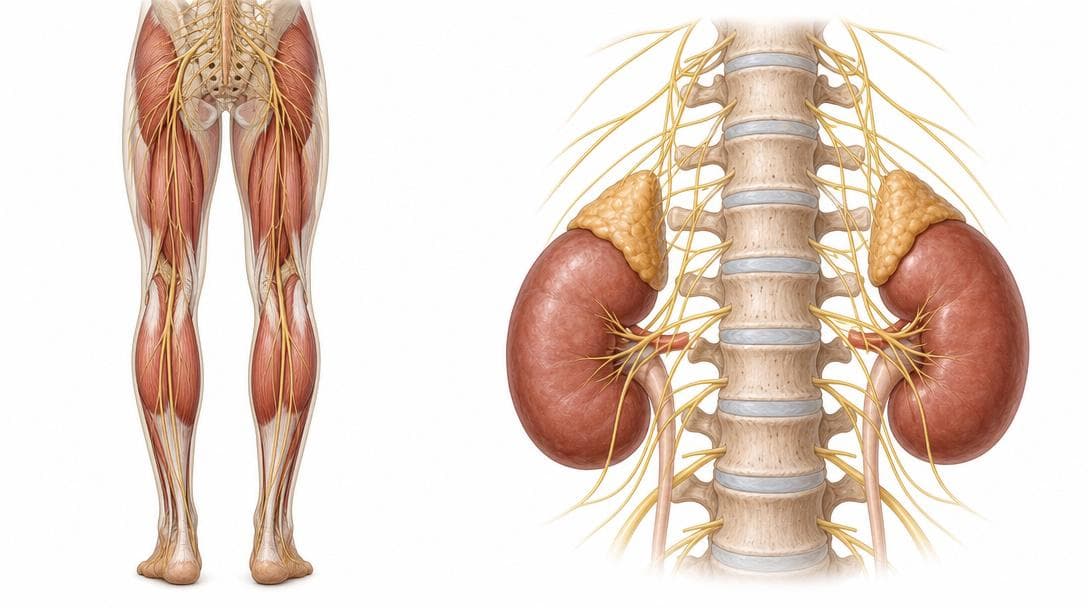
Muscle Tone Is Not Just Structural: It Controls Your Adrenal Glands, Your Kidneys, and Your Energy
Muscle spindle afferents drive sympathetic nerve activity to the adrenal glands and the kidneys. Inhibited muscle tone suppresses this signal — disrupting adrenal output, blood pressure regulation, hormonal cascades, and metabolic function. Muscle tone is not just structural. It is organ medicine.
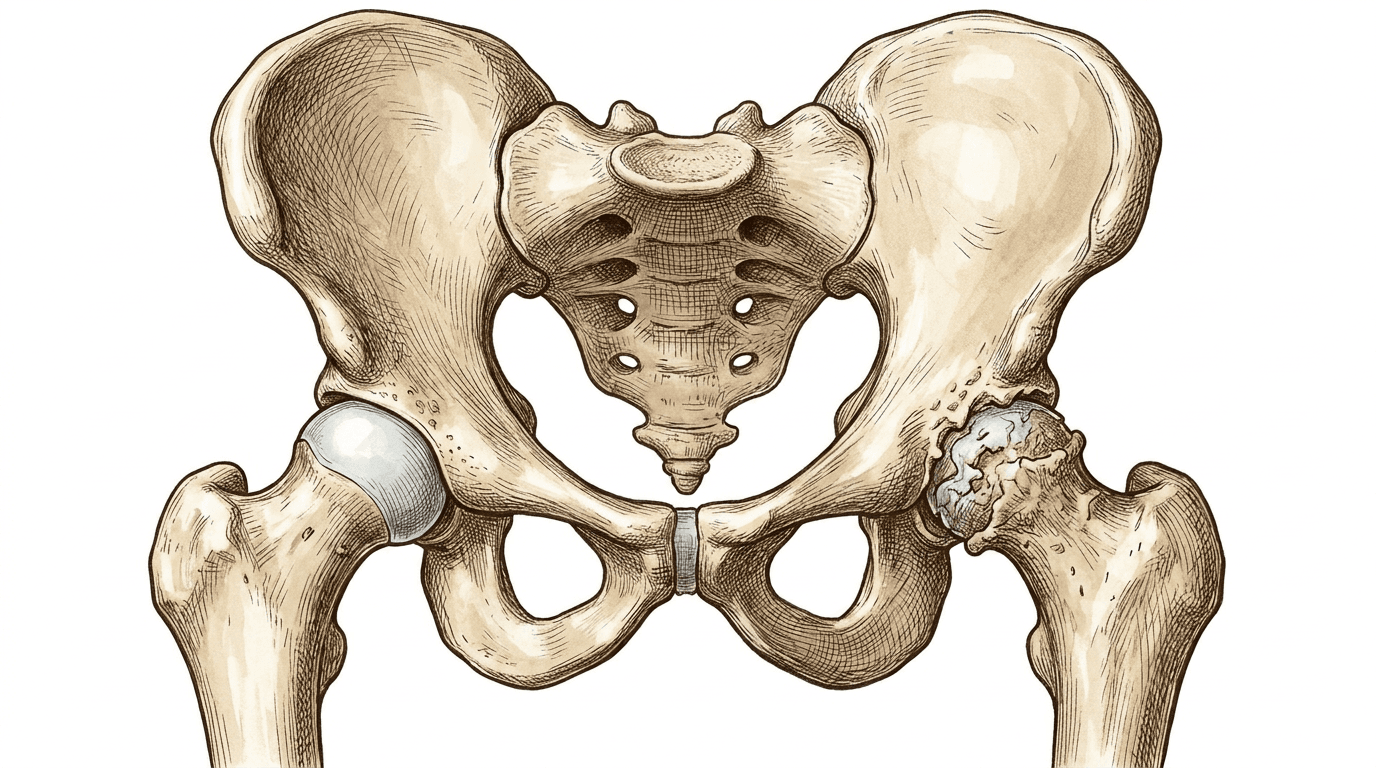
The Muscular Engine Behind Arthritis: Why Joint Wear is a Software Failure
Many chronic pain sufferers are told that their grinding joints are simply a consequence of aging or structural "wear-and-tear." This article explores groundbreaking biomechanical research proving that joint decay is actually caused by a neurological software glitch, where hidden sensory irritants deactivate the protective muscle shields that safeguard our knees and hips from the impact of daily movement.
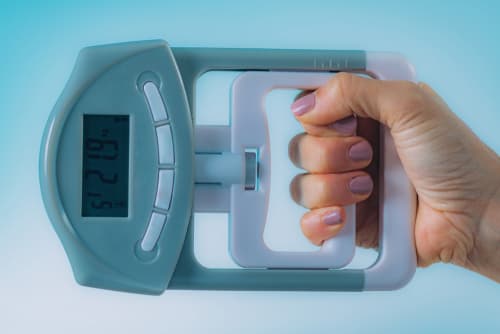
The Connection Between Handgrip Strength and Mortality/Morbidity
Research consistently shows a strong correlation between grip strength and overall health outcomes.
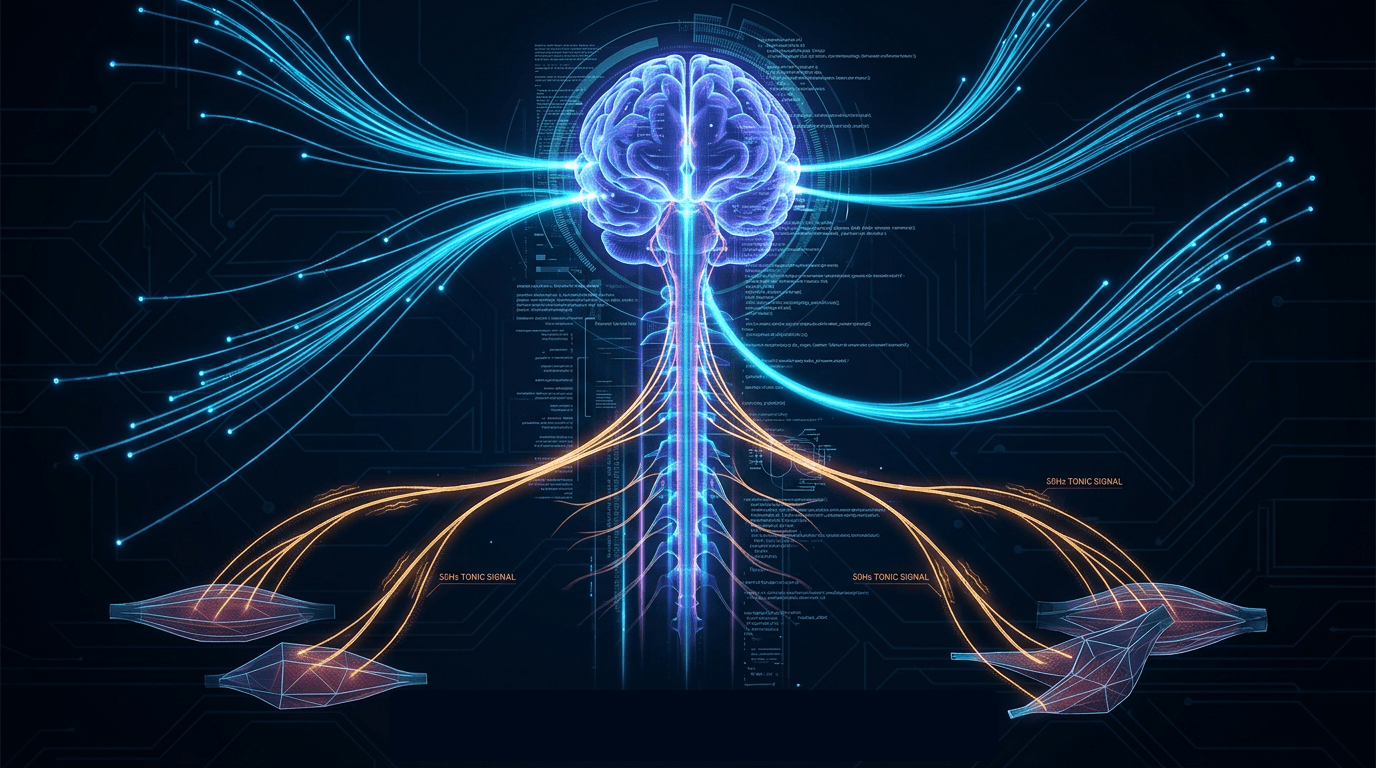
Understanding Afferentology: Key Concepts for Patients and Professionals
A broad overview of the physiology and neurology governing Afferentology, for patients and practitioners.
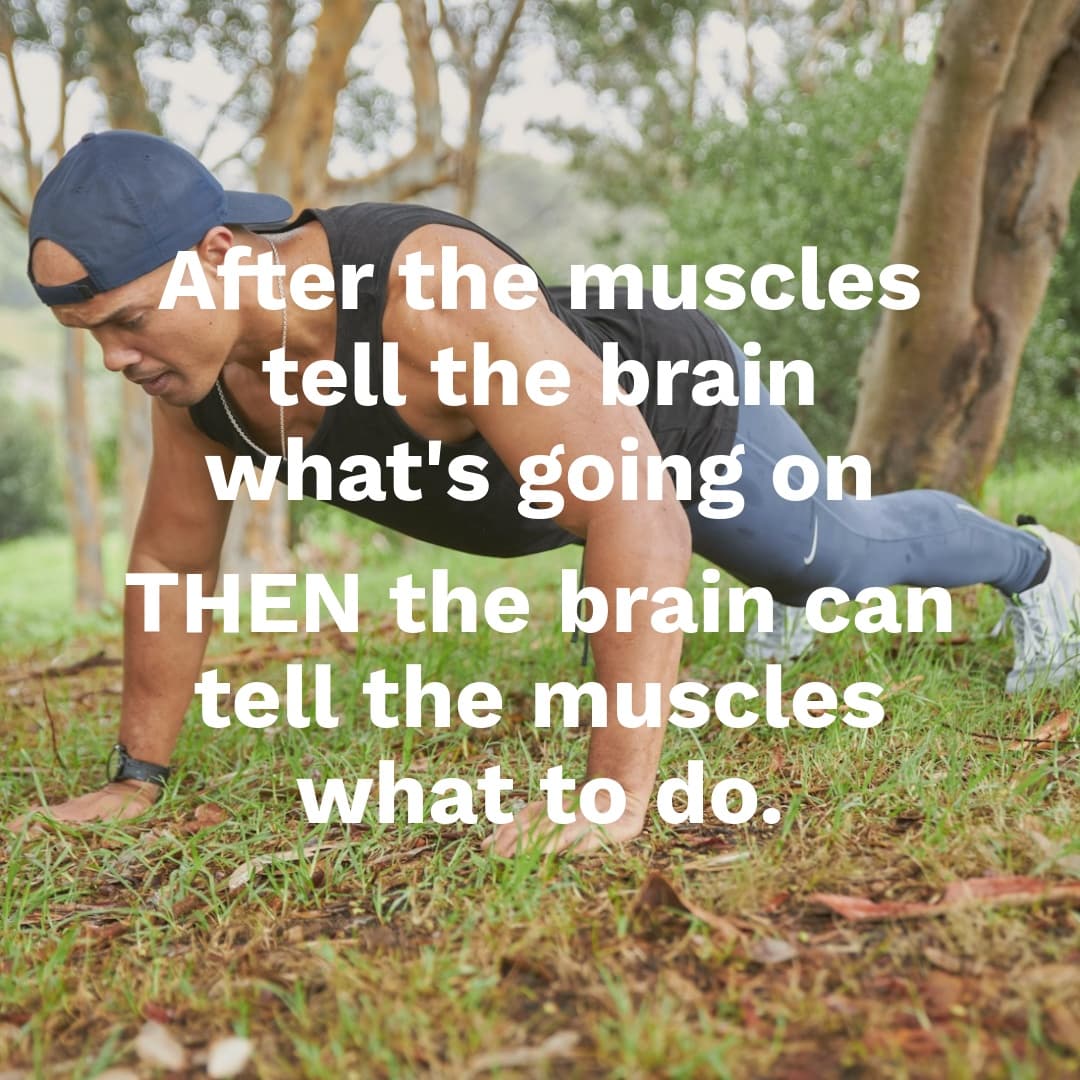
The Feedback Loop: Why Your Brain is Waiting on Your Muscles
Discover why athletic performance depends on the quality of sensory input and how Afferentology fixes corrupted neurological data.
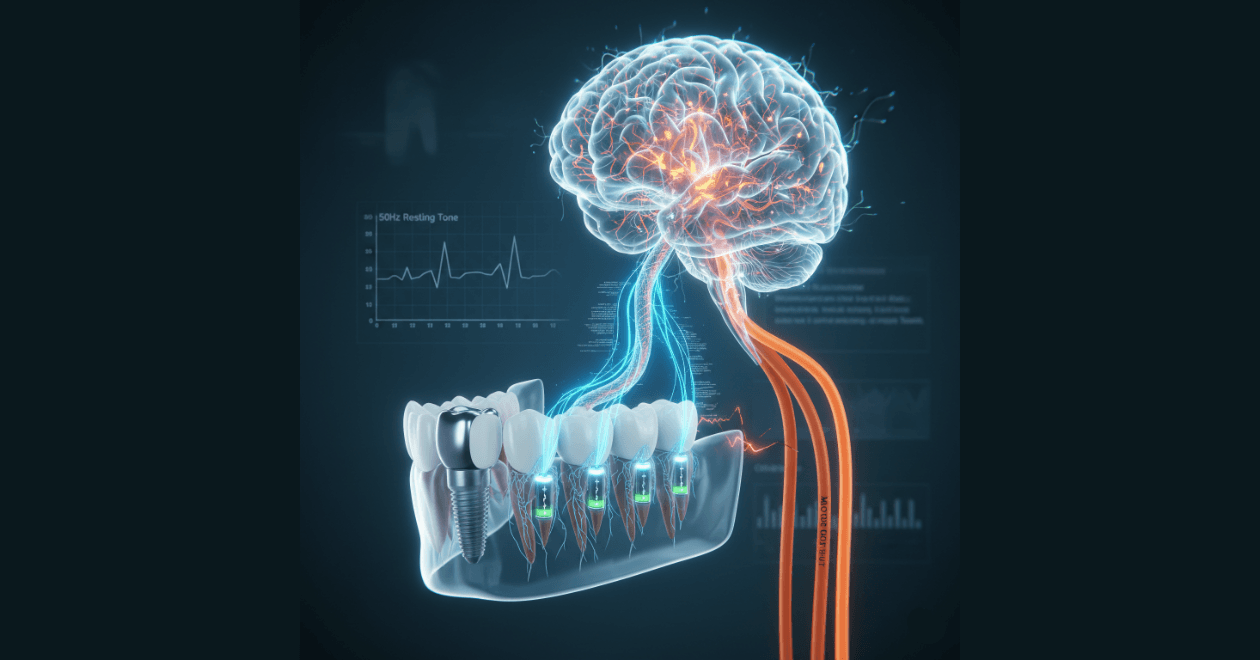
The Neurological Battery: Your Brain Runs on Afferent Input
Your brain is a high-performance computer that cannot run without a power source; that power comes from the constant 'amperage' generated by your periodontal ligaments and muscle spindles.
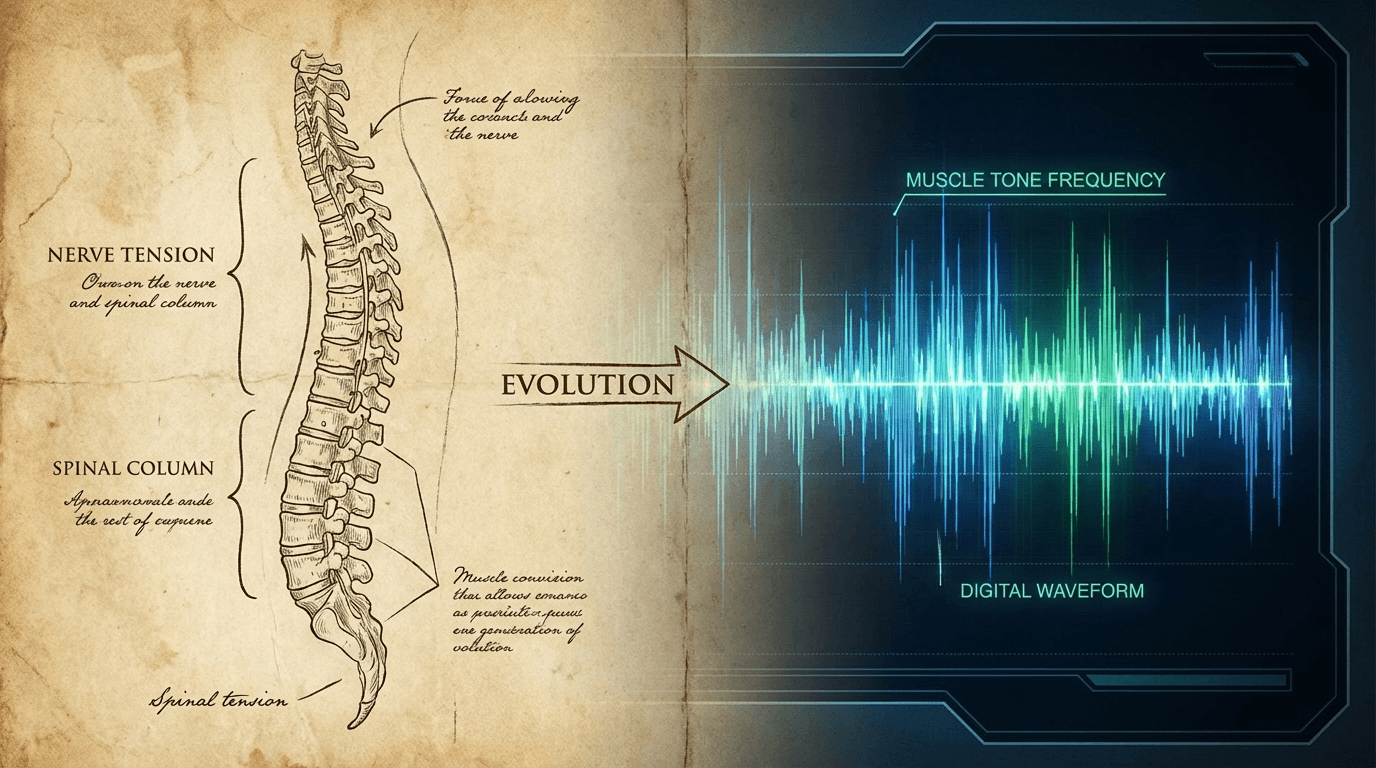
The 120-Year Glitch: Updating Palmer’s Vision with Modern Neurology
In 1910, the founder of Chiropractic, DD Palmer, made a radical claim that would define his life’s work: "Life is the expression of tone."
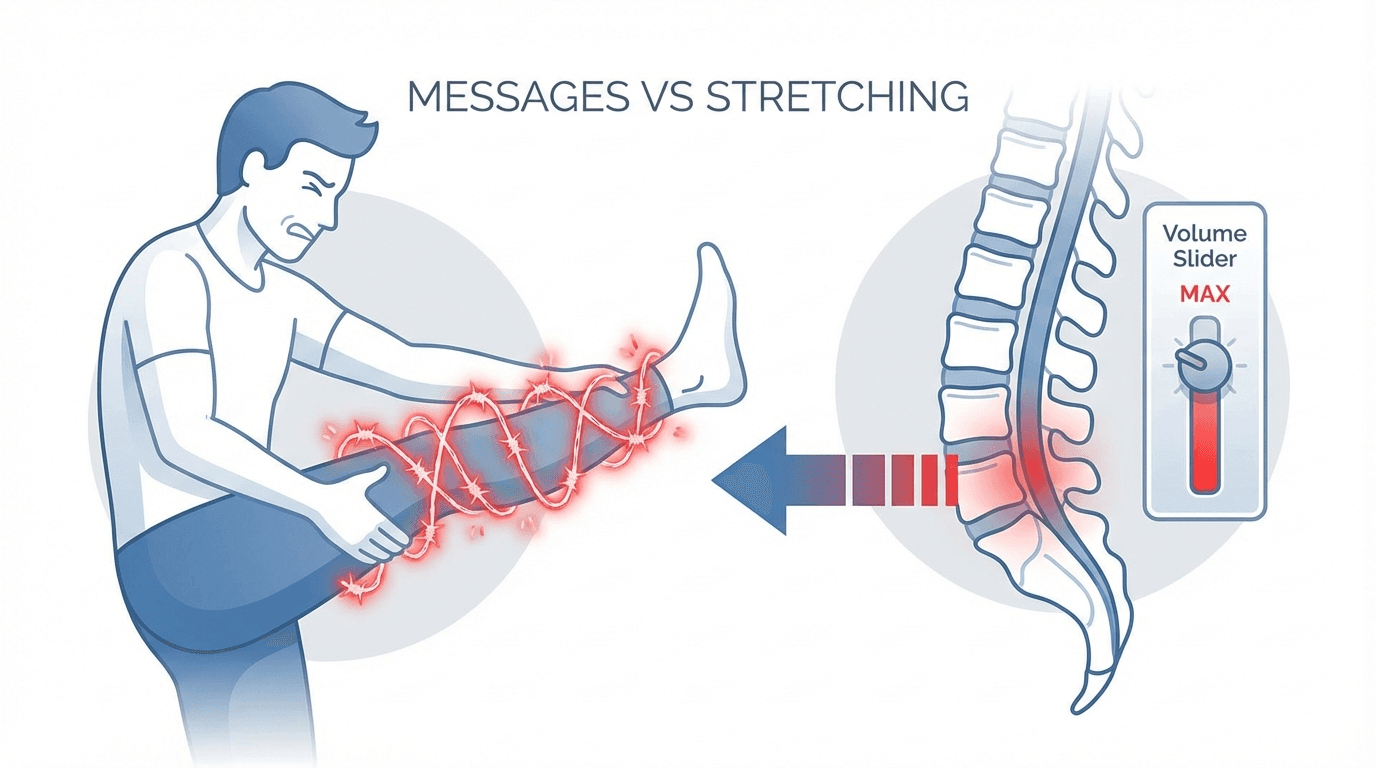
The Spindle Paradox: Why Your Sensors Are More Than Just "Length Meters"
Muscle spindles—the primary Afferent sensors—don’t just measure how long a muscle is; they measure the "Internal Yank" or tension of the muscle.
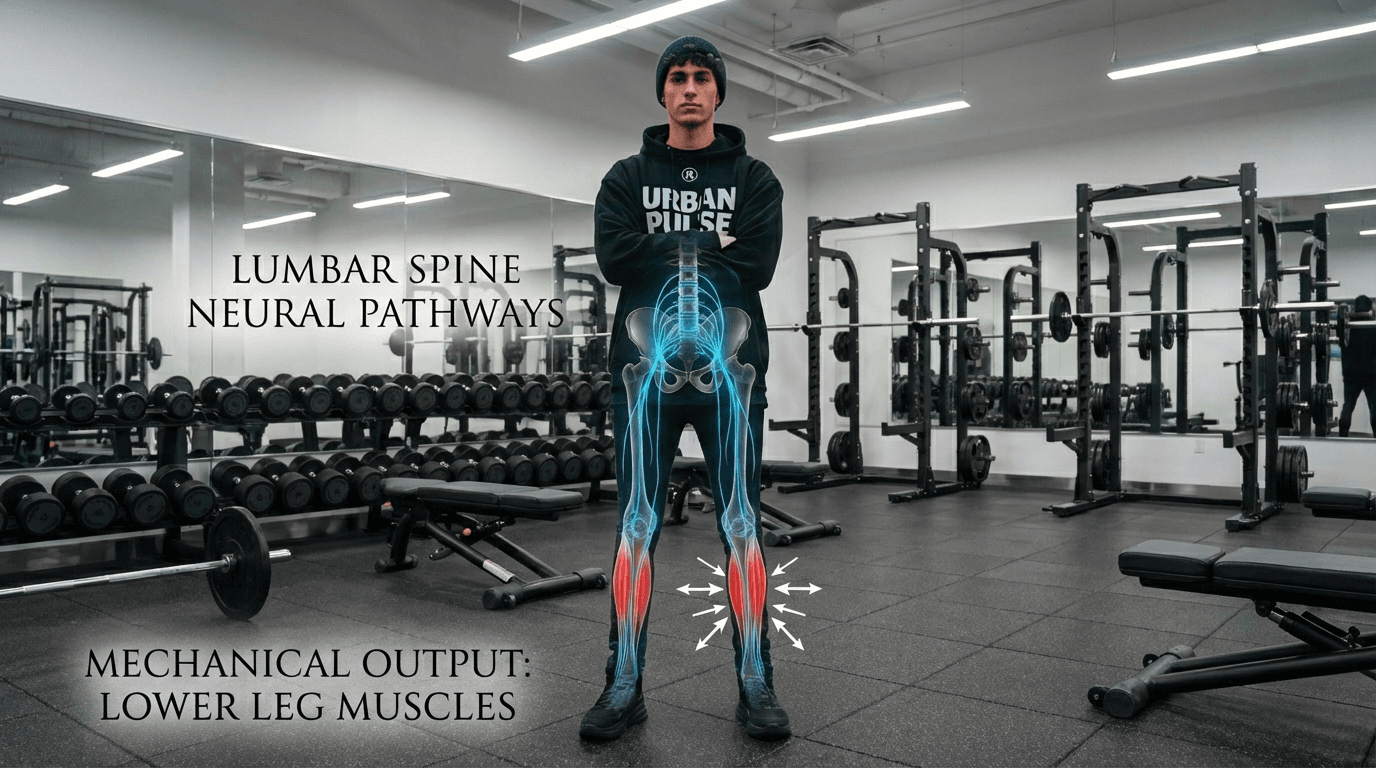
The Neurological Voltmeter: Why Software Rules Musculoskeletal Hardware
Discover how In Vivo Neuromechanics and Afferentology prove that spinal motor neuron activity, not just muscle mass, is the causal driver of movement and joint stability.
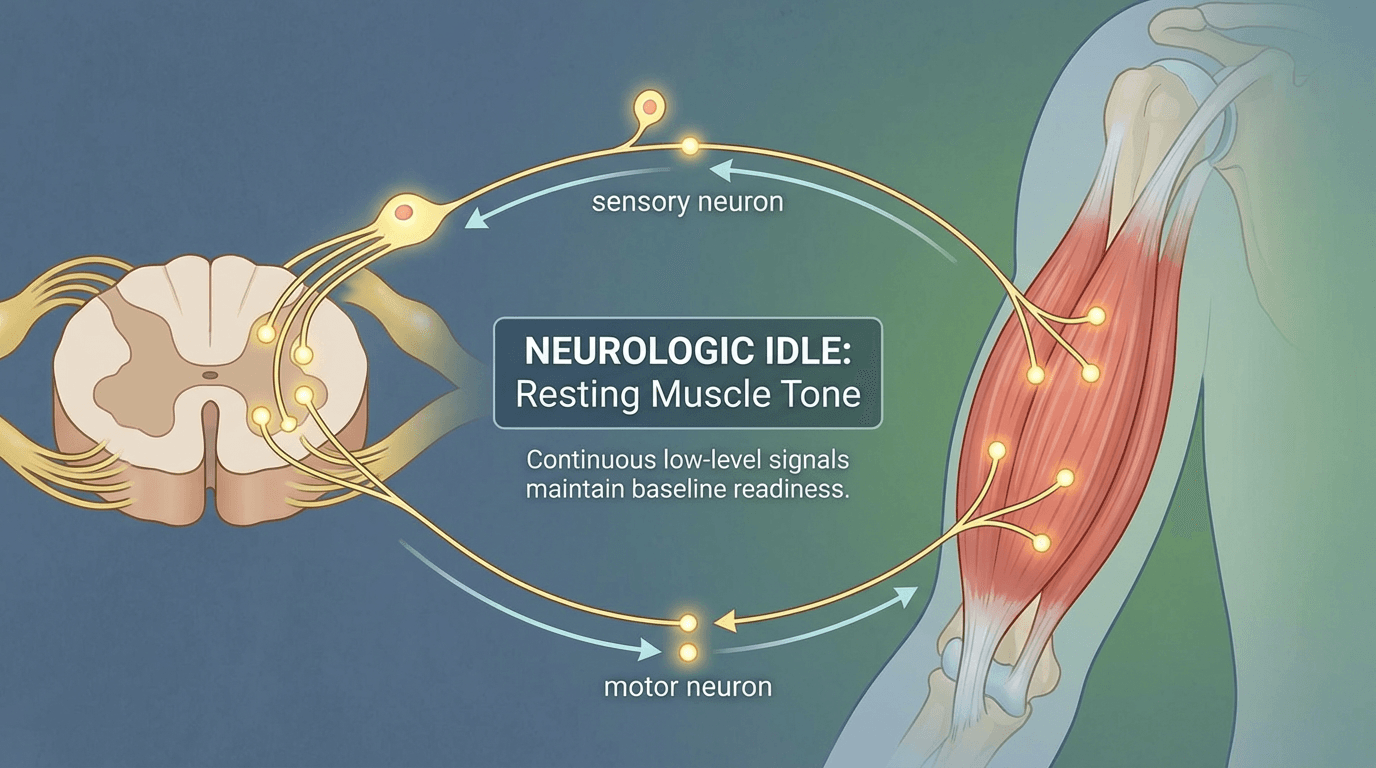
Beyond "Imbalances": Your Spinal Cord Dictates Muscle Tone
Learn why most attempts at therapy provide only temporary relief when the spinal cord is managing the "software" of your movement.
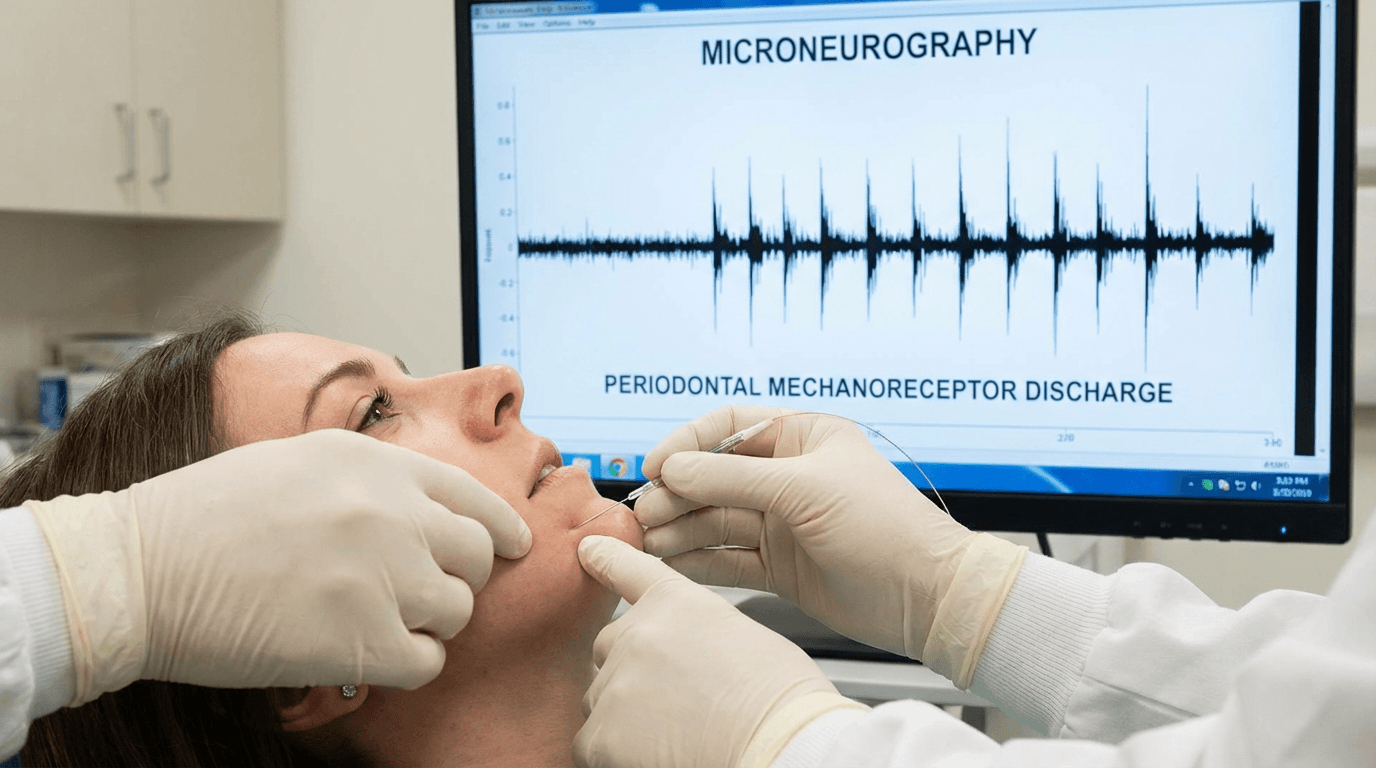
The Neurological Voltmeter: Microneurography and Resting Tone
Periodontal mechanoreceptors are not passive. Instead, they exhibit spontaneous discharge, even in the absence of external stimuli.
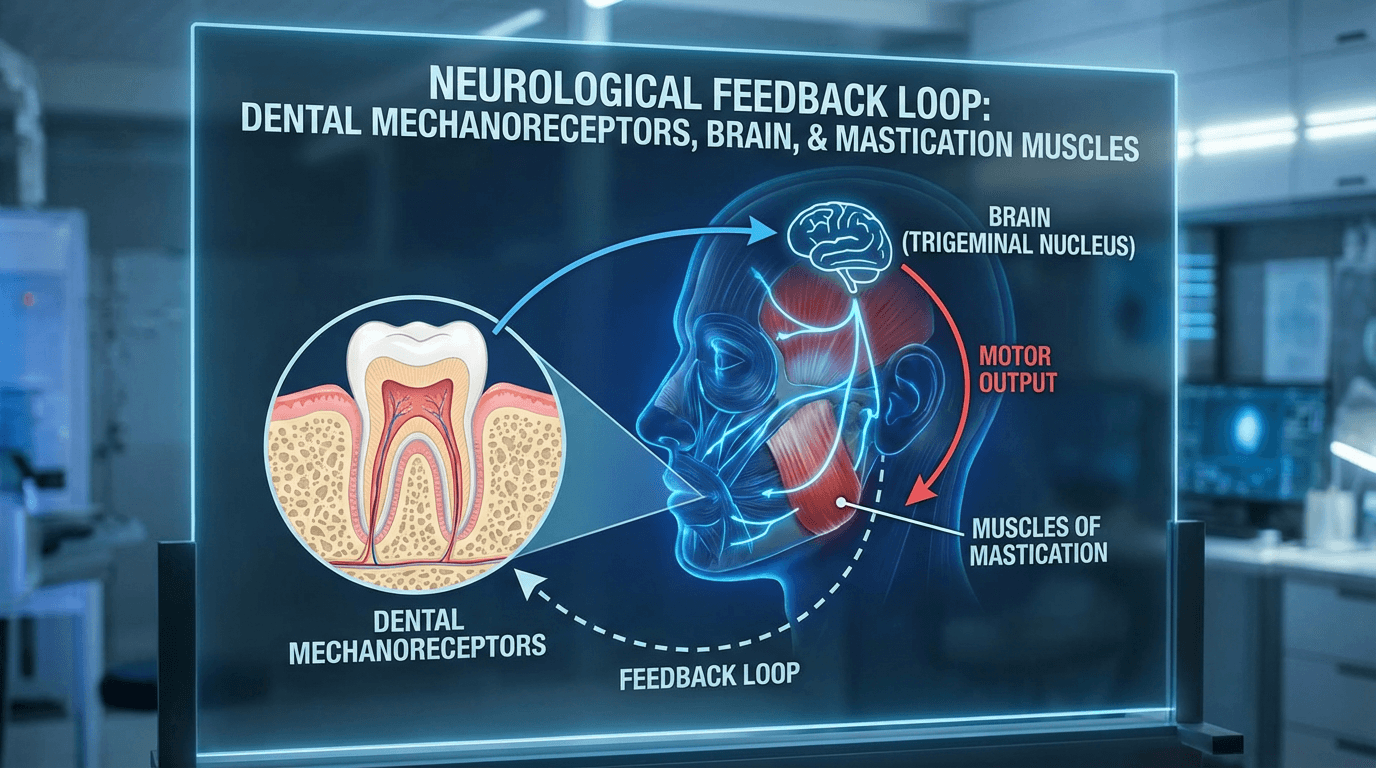
The Neurological Voltmeter: Mats Trulsson and the 50Hz Secret of Your Teeth
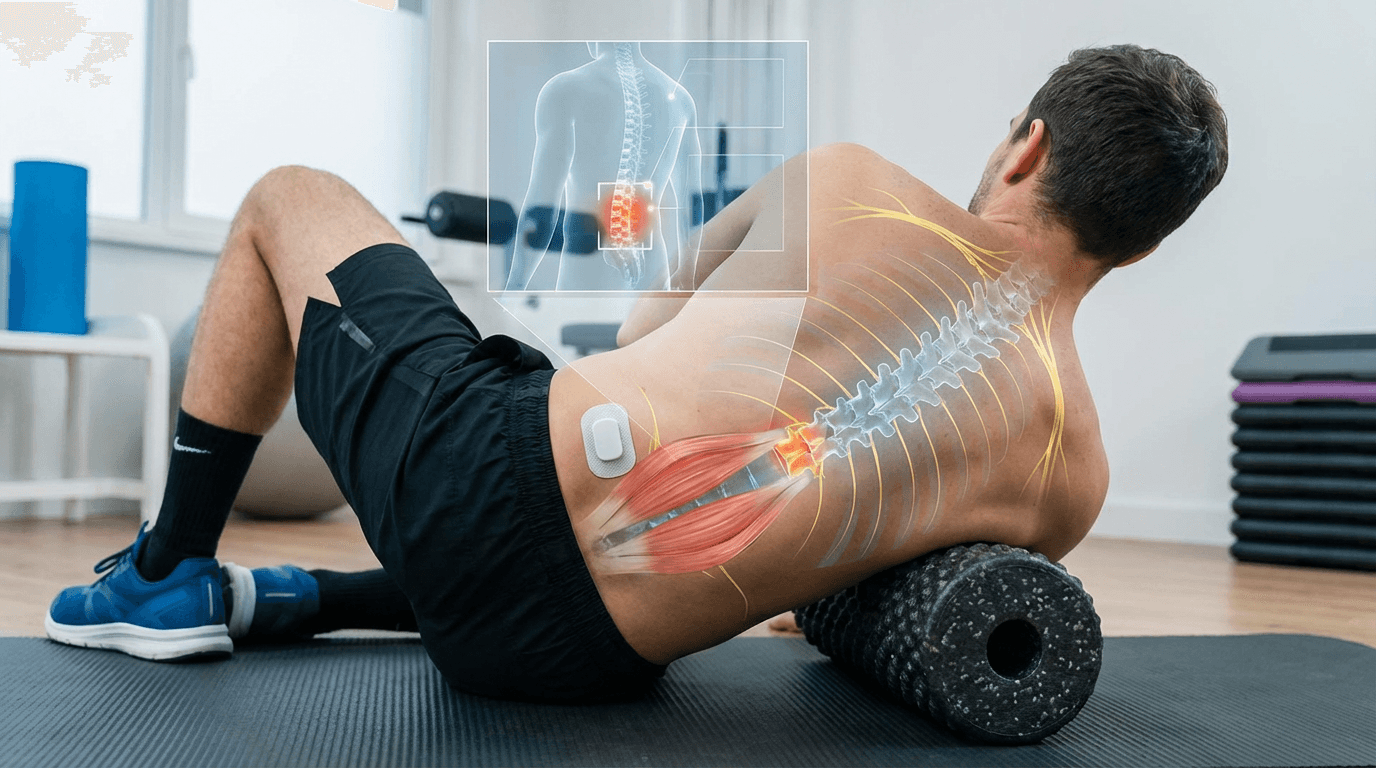
The Volume Knob of Pain: Understanding Your 50Hz Resting Tone
If you feel "tight" no matter how much you stretch, the problem isn't your muscles. It's the baseline frequency of your nervous system. Welcome to the world of neurological software.
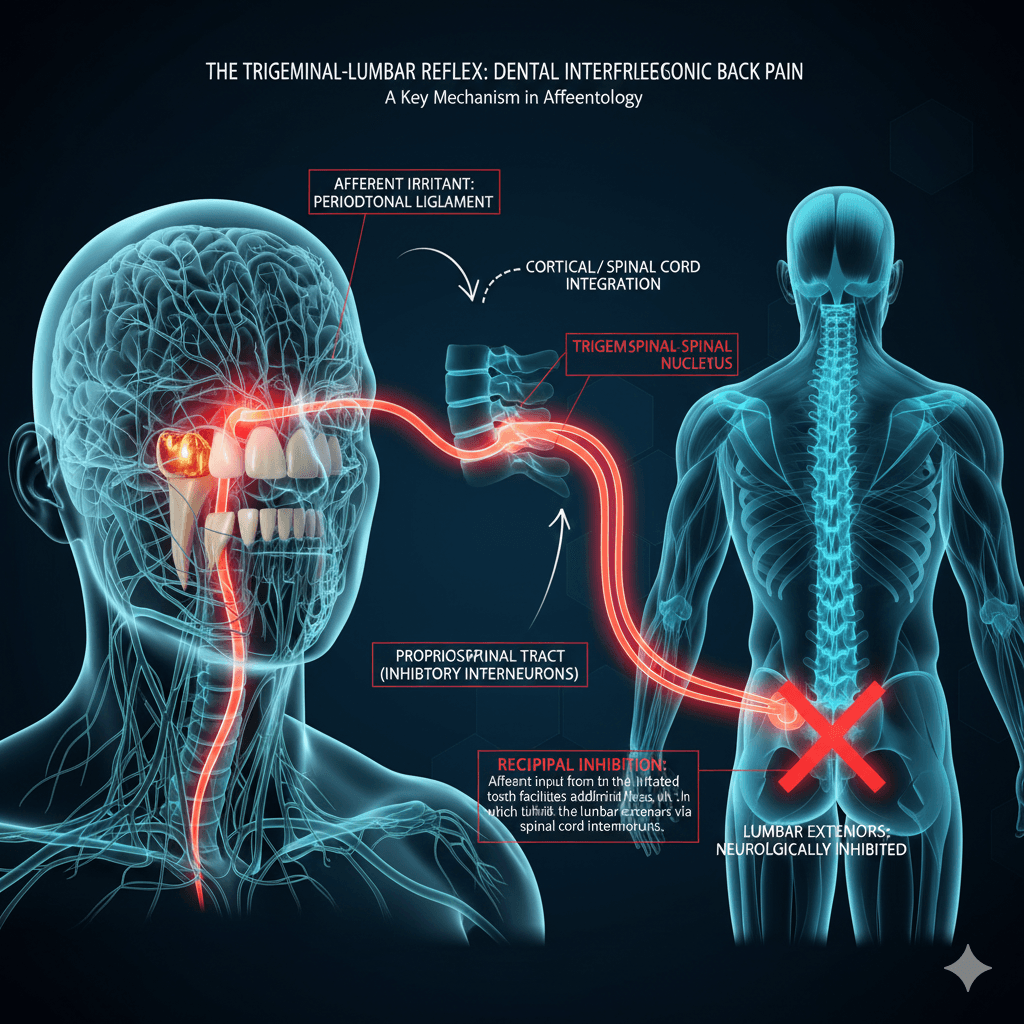
The Quickest Way To Change Muscle Tone
For this patient, excessive afferent input coming from his periodontal ligaments caused back pain and weakness in his lower back.
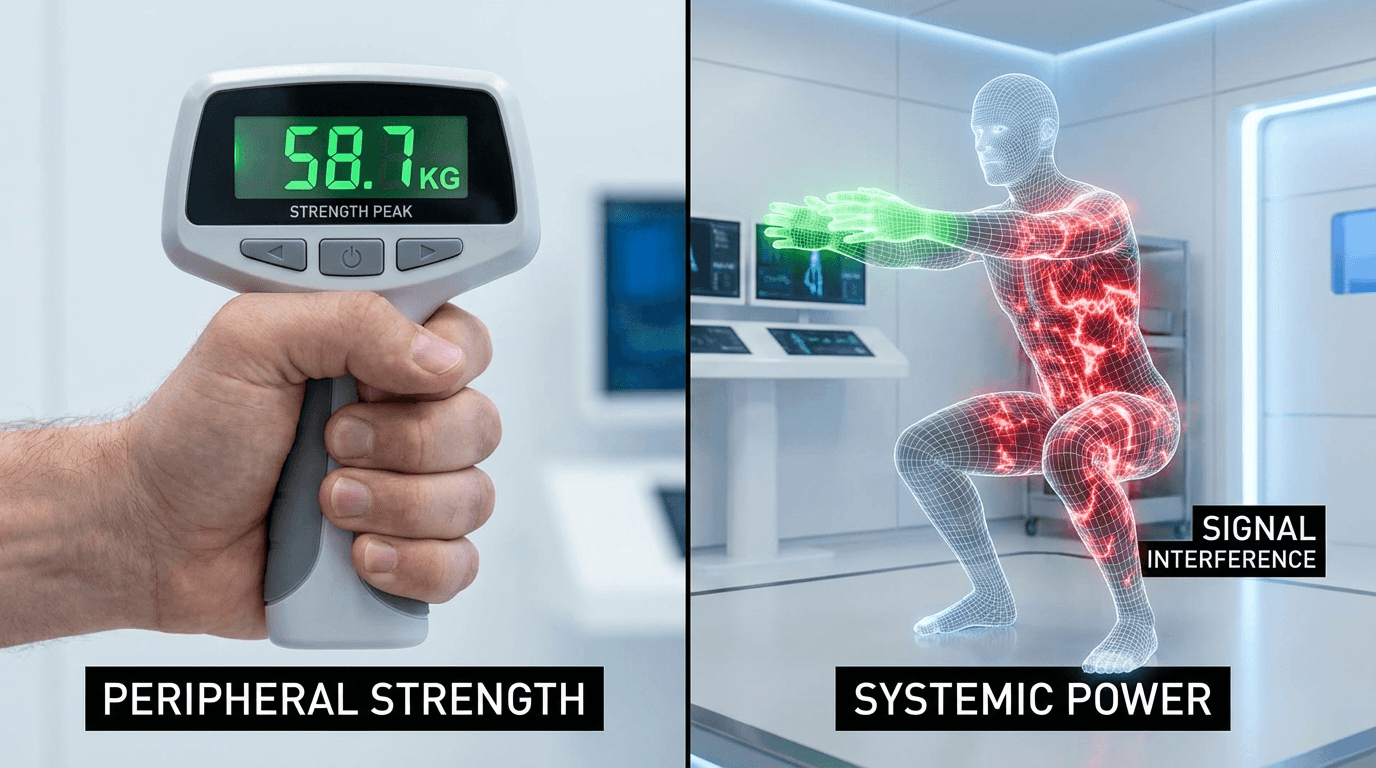
The Neurological Voltmeter: Why Whole-Body Power is the Ultimate Predictor of Survival
If you want to know how well the engine is running, you don't just look at the size of the block; you check the spark. In the human body, that spark is your whole-body neurological output.

Sixty Studies Linking Strength With Longevity
There is a growing mountain of studies which firmly establish the link between muscle weakness and early death.
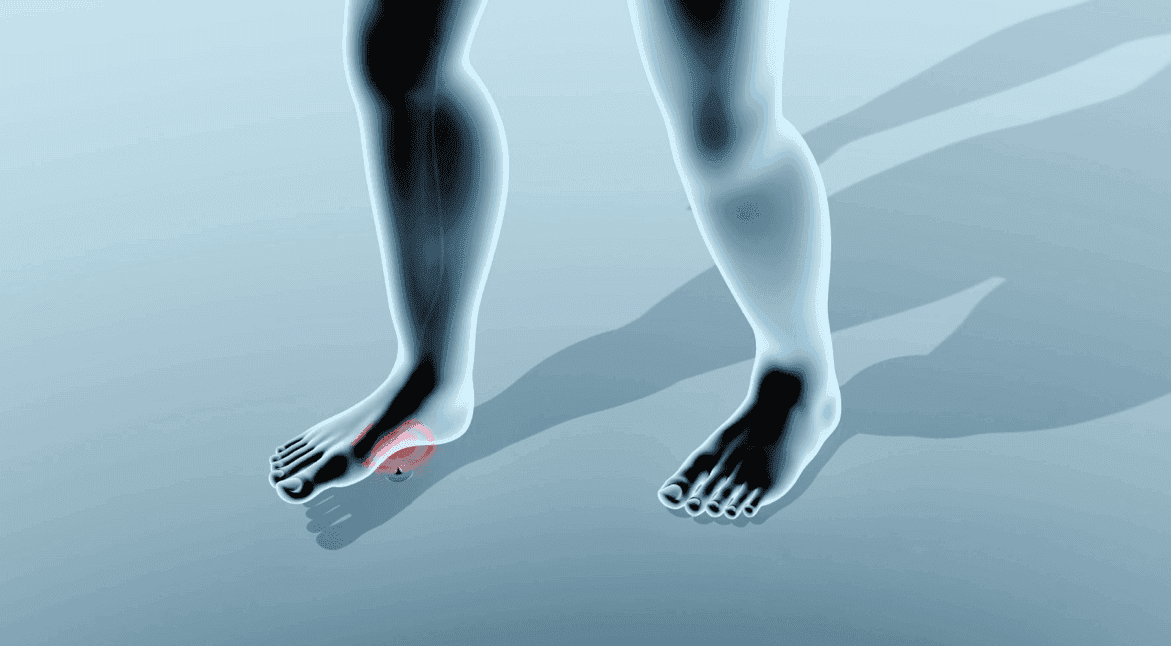
Beyond Biomechanics: The Role of Afferent Irritants in Muscular Inhibition
Most chronic pain protocols fail because they treat the "hardware" of the body—muscles and bones—while ignoring the "software" that controls them. If you have a nail in your foot, the solution isn't a better hip exercise; it's removing the nail.

Closing the Gap: Turning Mortality Statistics into Clinical Success
How Protective Reflex Testing Resets the Software of Longevity.

The Birth of Afferentology: Lesley's Story
Lesley had severe muscle inhibition. Her eighteen years of deteriorating health ended instantly when the faulty afferent input was removed.
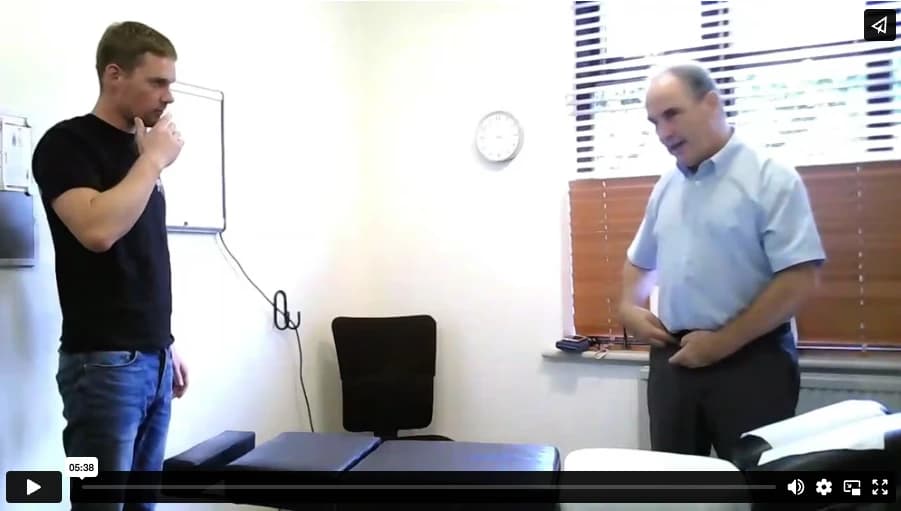
Fixing An Inguinal Hernia
This new patient had acute low back pain getting steadily worse for one week. Watch as I work out exactly what the problem is and how to fix it in 5 minutes.
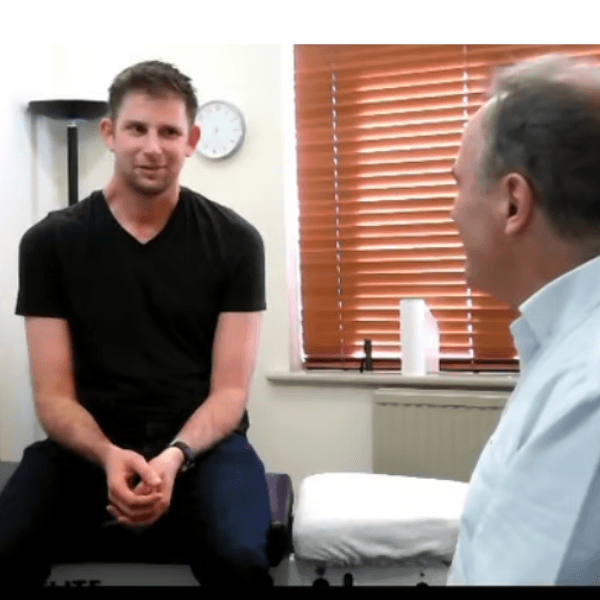
Uncontrollable Movements Caused By An Apicectomy
This young man was distressed by uncontrollable shaking. He never suspected the real culprit was dental work from his teenage years.
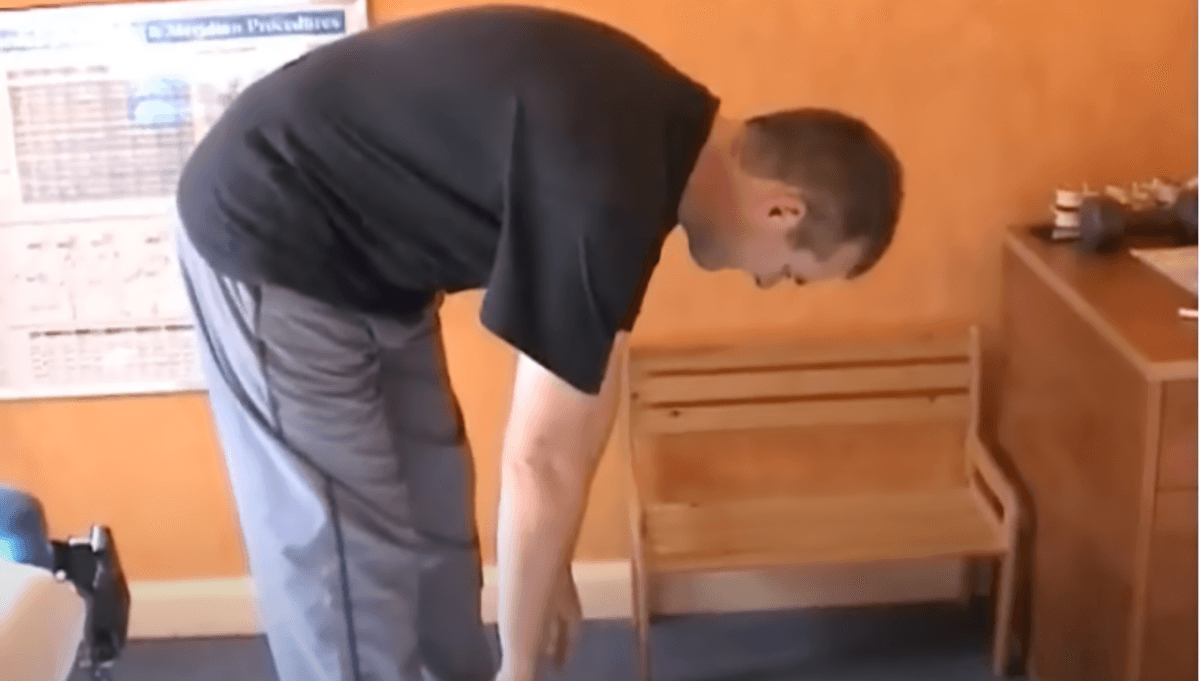
Slipped Disc From A Dental Crown
Watch this dramatic return to strength and normal mobility as this patient bites down on a gold crown.
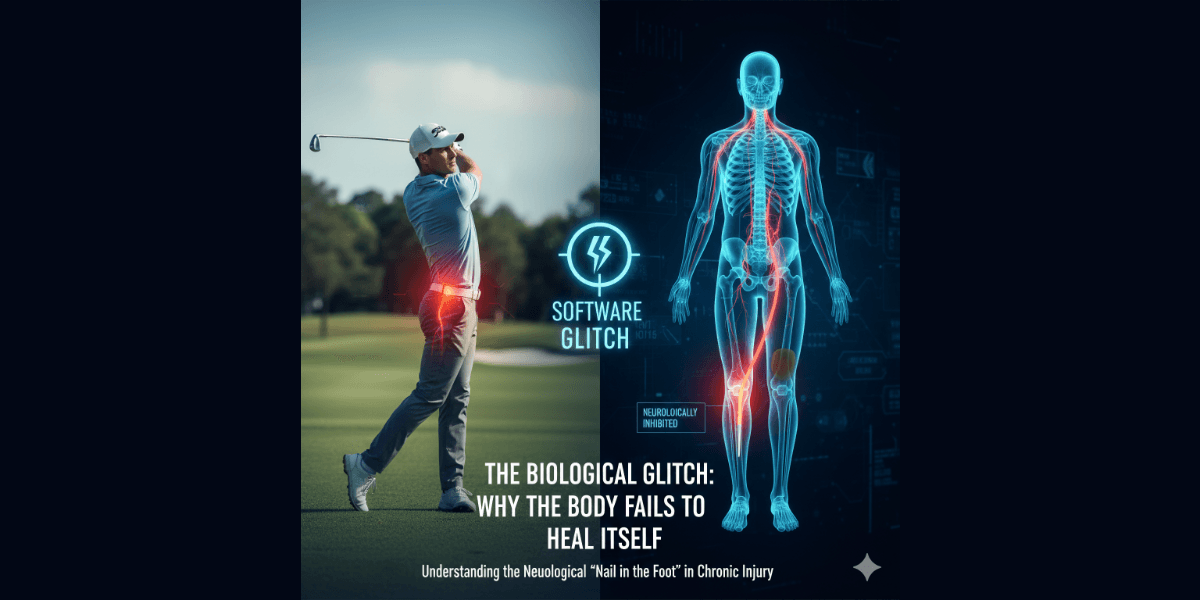
Are You Still Suffering?
Even elite athletes end up with career-ending injuries because nobody identified why their body could not heal itself.

Muscle Weakness Caused by Belly Piercing
Removing this dancer belly piercing resulted in a noticeable improvement in her strength and movement.

Headaches Gone With One Adjustment
In this video you see how putting her head forward makes her shoulder weak due to inhibited neck extensors.

Your Teeth Are Important To Your Body
Simon instantly diagnosed this as coming from a root filling and crown that had been done some time ago.

Research: Individuals vs Averages
Good science measures the outcome of an intervention on a subject and compares that with the outcome on a control.
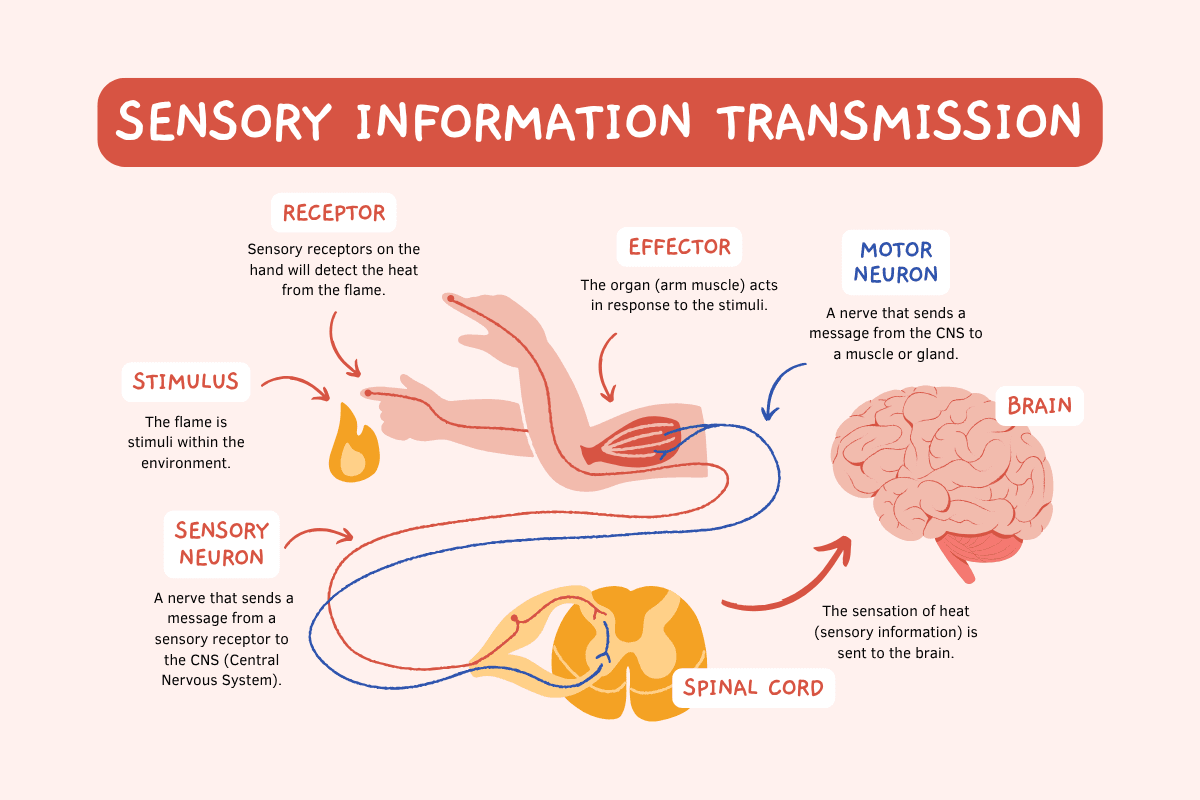
The Unseen Foundation of Health: Muscle Reflexes
Why it is important to test the myotatic reflex which constantly governs muscle tone.

Earrings Causing Hip Pain
My right hip caused me great pain. The unexpected culprit was earrings acting as hidden afferent irritants.
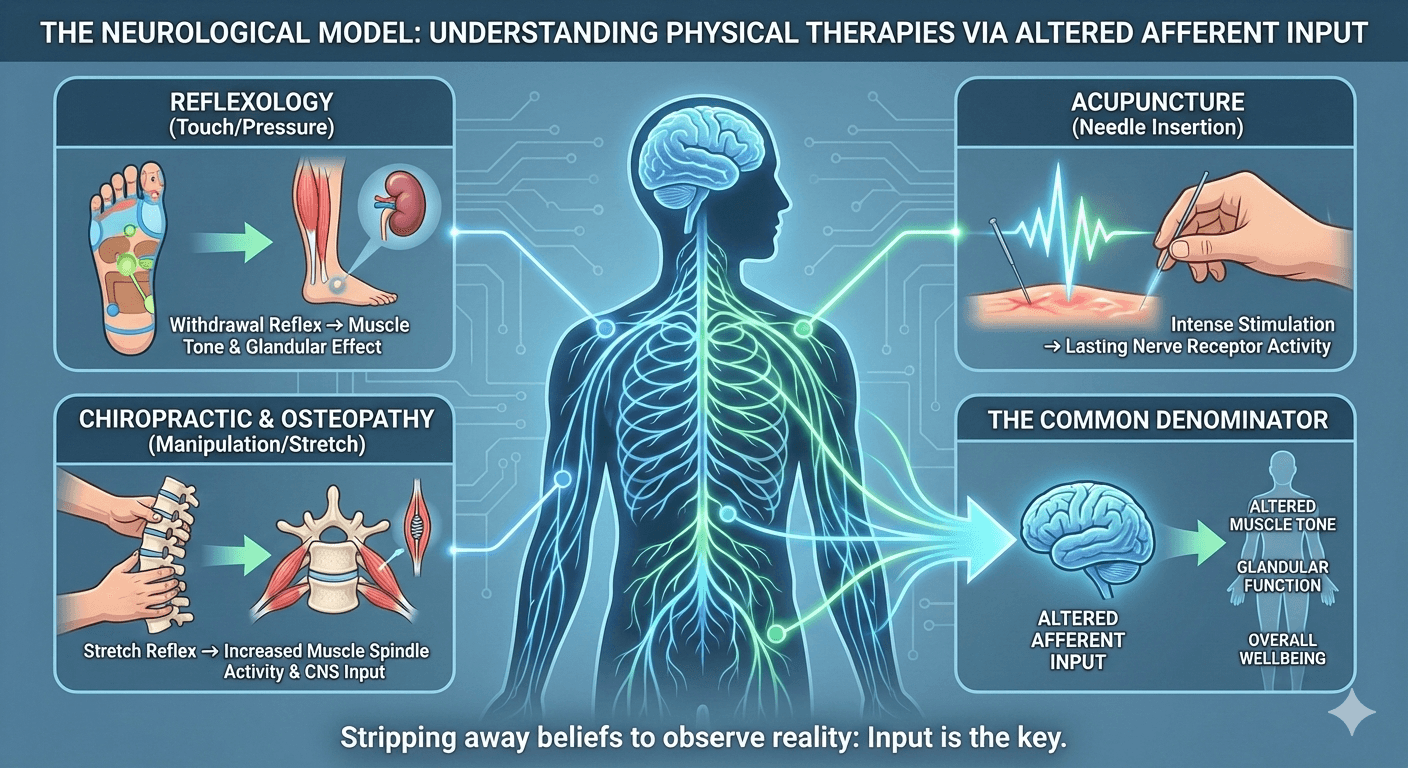
The Universal Signal: Redefining Manual Therapy through Afferentology
Afferentology provides a universal framework for understanding and treating a wide range of physical complaints.
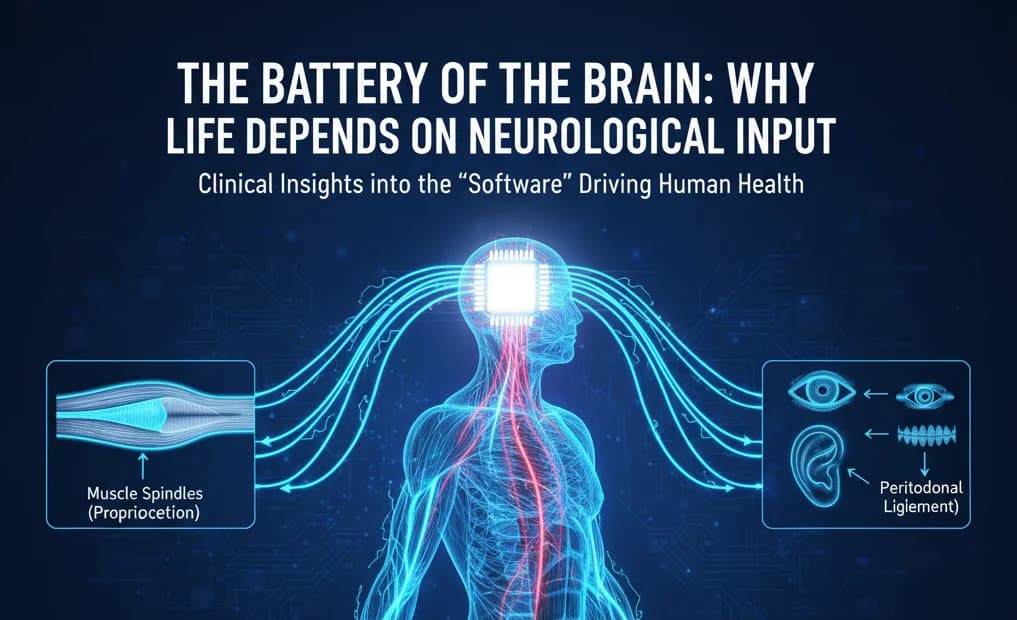
The Battery of the Brain: Why Life Depends on Neurological Input
The human body is a dynamic, self-regulating system that constantly adapts to its environment.
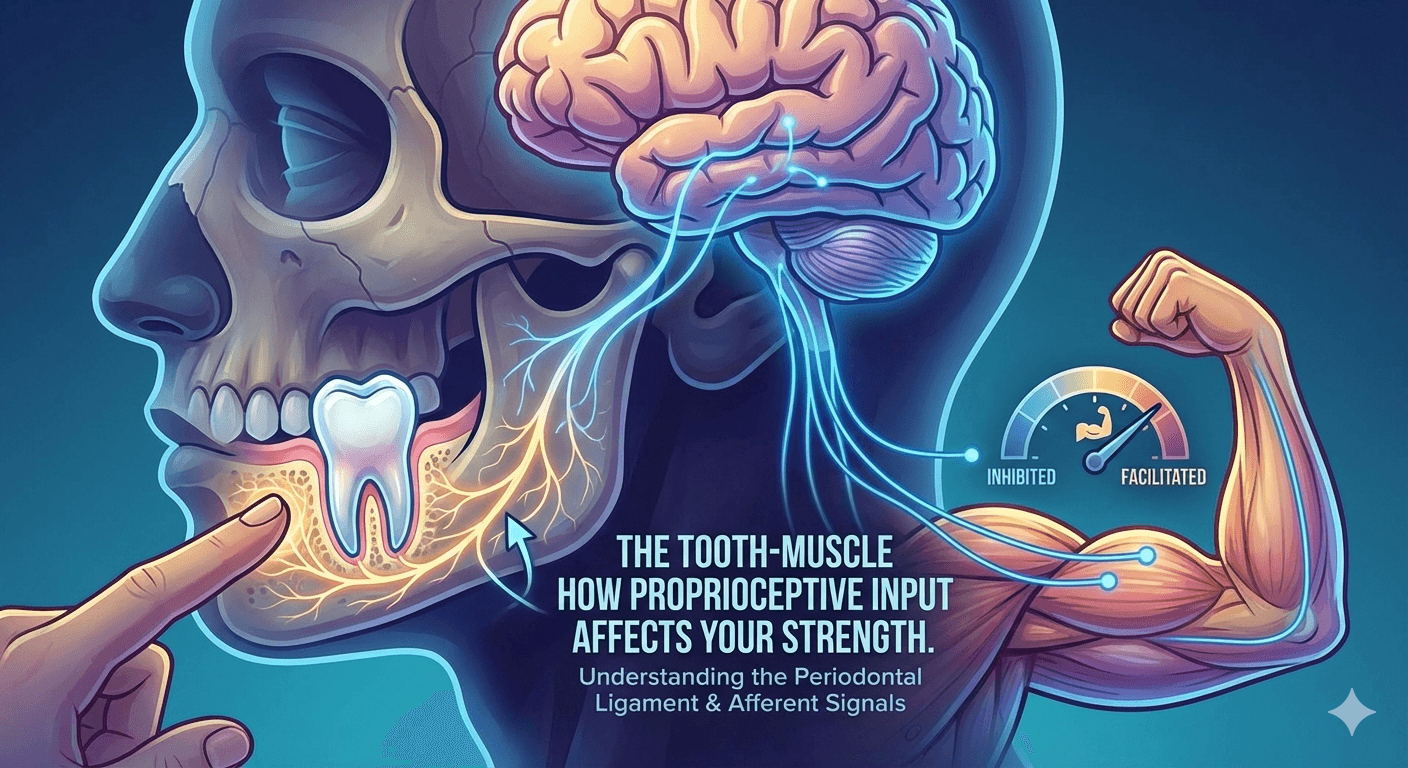
The Dental Circuit: How Amalgams and Crowns Trigger Systemic Muscle Inhibition
Why metal or amalgam fillings sometimes cause muscle inhibition and weakness.

Testing the Adductors
It is important to make the adductors part of your clinical examination for pelvic stability, low back and hip issues.
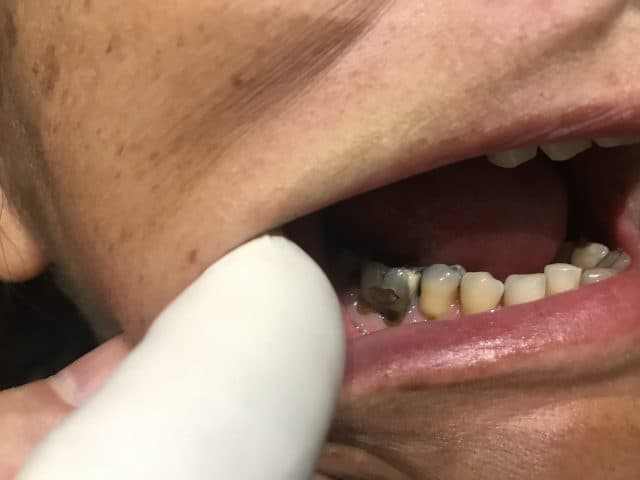
An Unexpected Trigger For Acute Low Back Pain
Many of us experience back pain. Often the cause is unexplained until afferent input is properly tested.
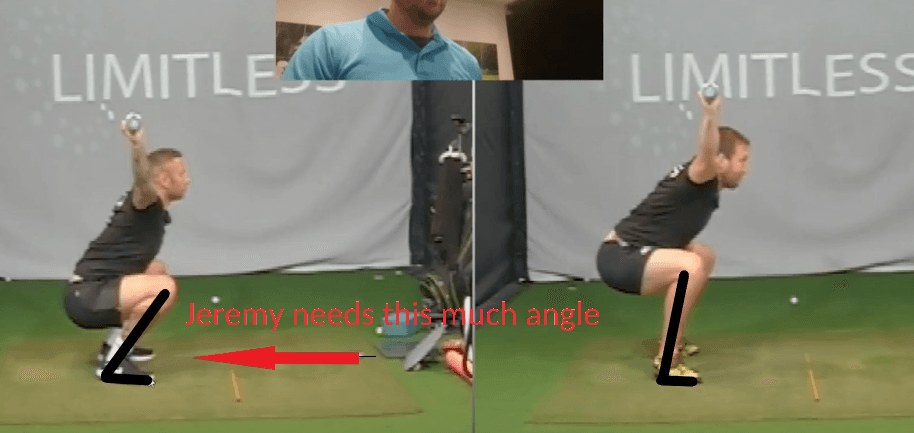
Increased Range of Motion Without Exercise
In this video we found weakness in the toe extensors causing limited range of motion in the ankles of a golf professional.

How Afferent Input helps Englands Strongest Man
Identifying and addressing underlying weaknesses can lead to significant improvements in physical performance.
Ready to Learn More?
Dive deeper into Afferentology through our comprehensive training programs.
Explore Training Courses