The Science of Afferentology
Explore research articles, scientific insights, and the neuroscience behind afferent input and muscle function.
Foundation Articles
Essential concepts for understanding Afferentology

Why Afferent Input Matters
Understanding why paying attention to afferent input is crucial for examining and treating patients based on neurological input and output.

The Myotatic Reflex
Your body's most important defense mechanism for controlled movement, injury prevention, and maintaining proper muscle tone.
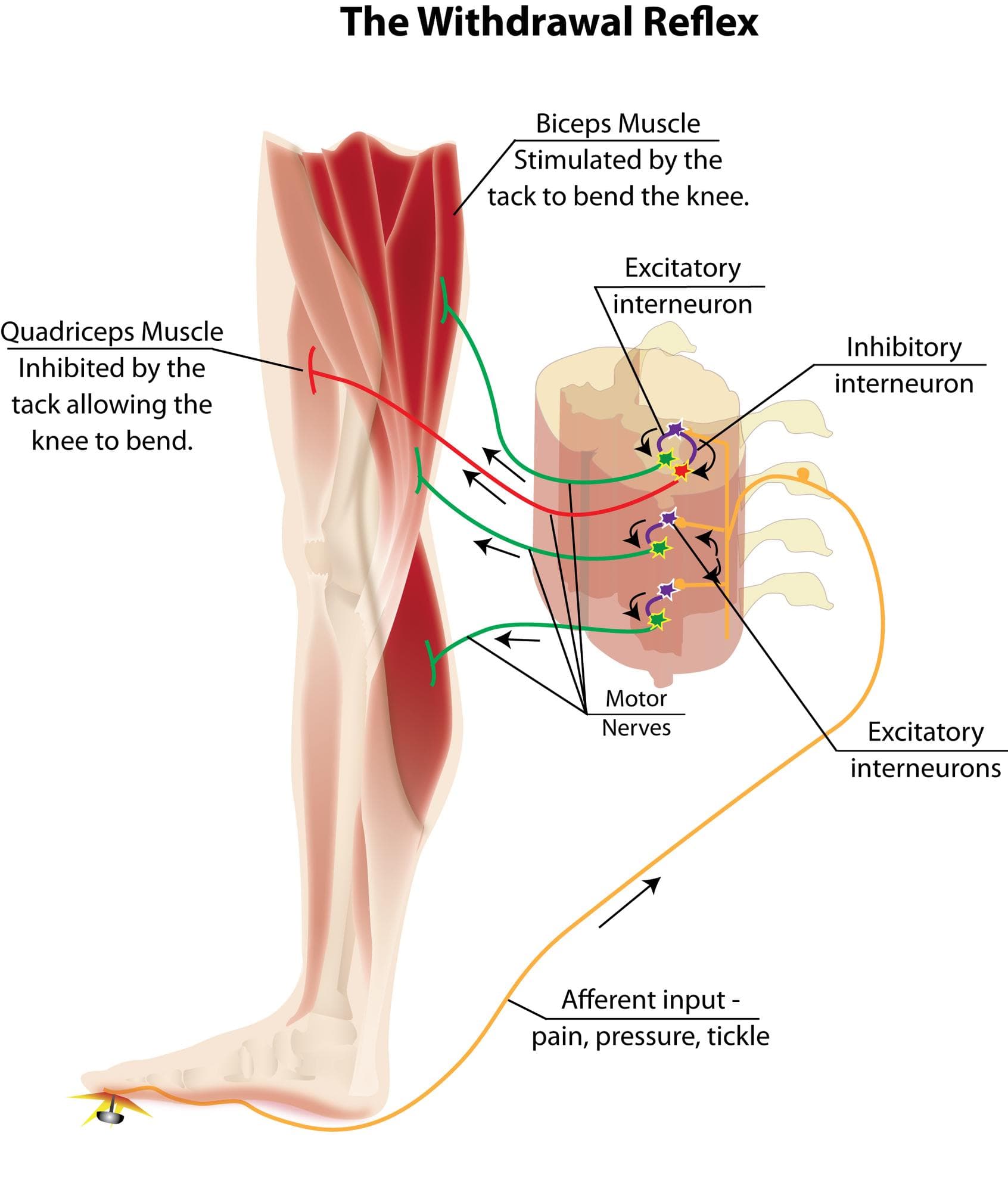
The Withdrawal Reflex
How sensory receptors have direct control over muscle tone to protect us from danger and respond to irritation.
Latest Research & Articles
Recent insights and case studies
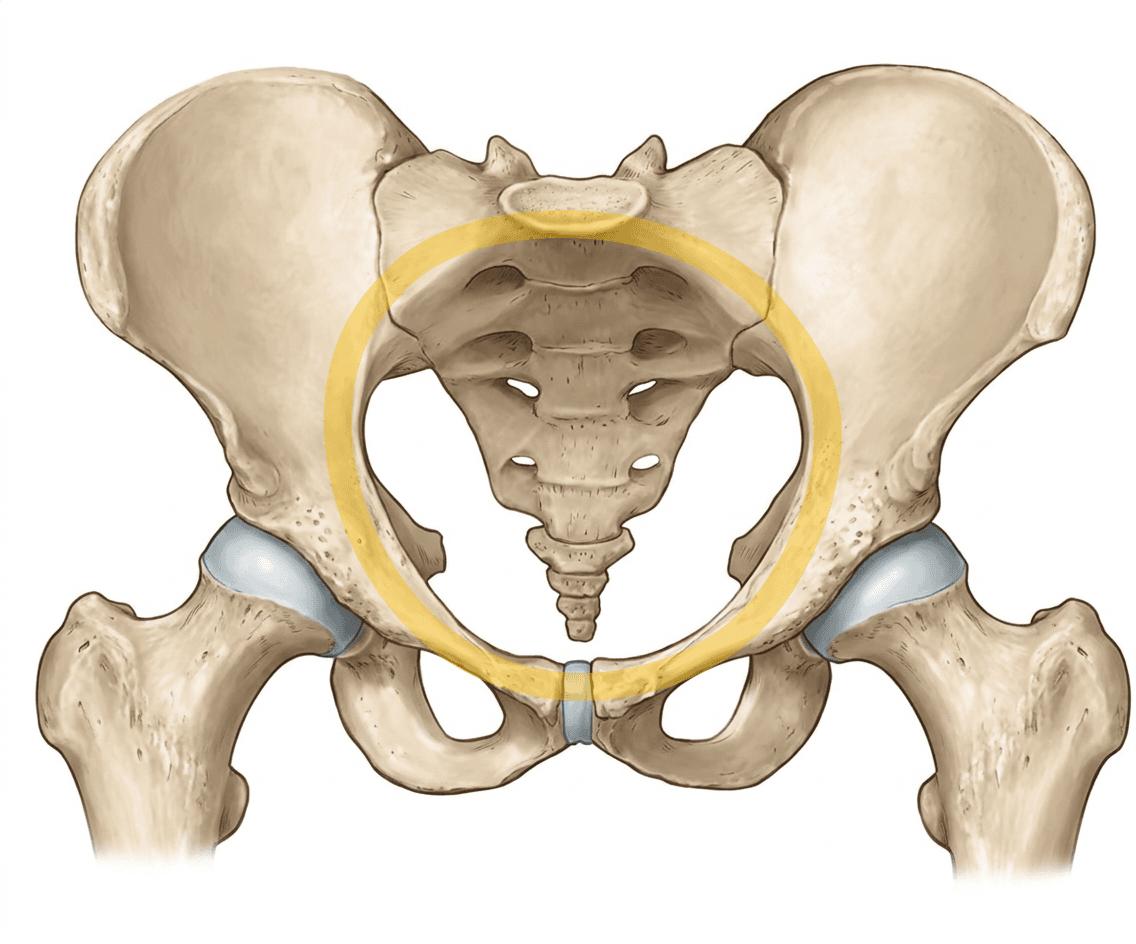
Sacroiliac Joint Pain: Pelvic Instability as an Indicator of Inguinal Hernia
The sacroiliac joint has no active muscular control of its own — its stability is entirely dependent on the surrounding musculature maintaining adequate tone. The presence of a direct inguinal hernia can lead to an inhibition of the muscles and ligaments supporting the pelvic ring, including the sacroiliac joint.

Testing the Adductors
It is important to make the adductors part of your clinical examination for pelvic stability, low back and hip issues.
Ready to Learn More?
Dive deeper into Afferentology through our comprehensive training programs.
Explore Training Courses