The Science of Afferentology
Explore research articles, scientific insights, and the neuroscience behind afferent input and muscle function.
Foundation Articles
Essential concepts for understanding Afferentology

Why Afferent Input Matters
Understanding why paying attention to afferent input is crucial for examining and treating patients based on neurological input and output.

The Myotatic Reflex
Your body's most important defense mechanism for controlled movement, injury prevention, and maintaining proper muscle tone.
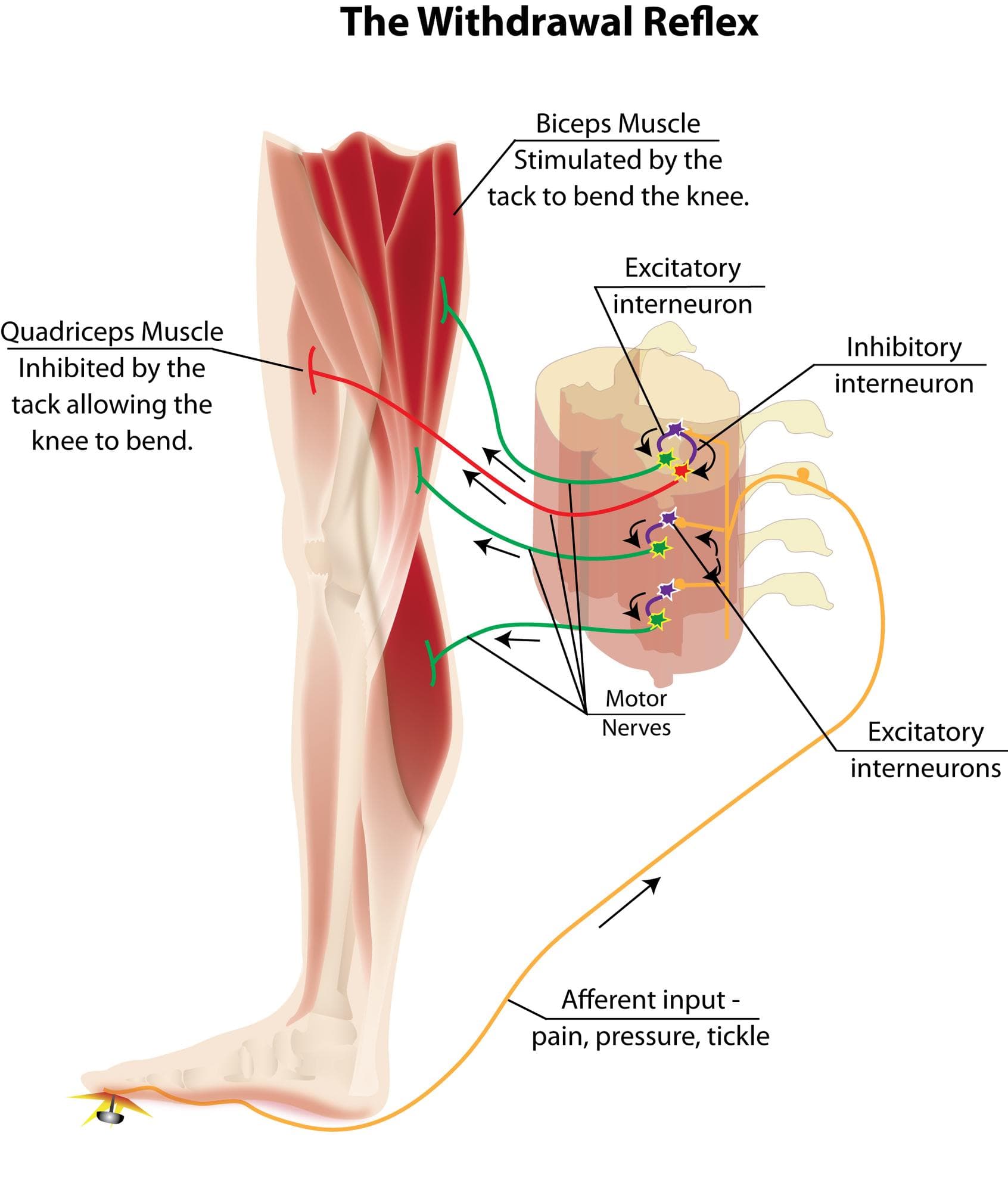
The Withdrawal Reflex
How sensory receptors have direct control over muscle tone to protect us from danger and respond to irritation.
Latest Research & Articles
Recent insights and case studies
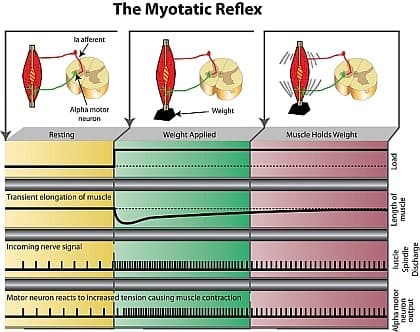
The Myotatic Reflex Diagram That Fooled Me for Years
For years I taught that a resting muscle hums along at a steady 50Hz. The recordings say otherwise, and what they show changes how we should think about every spinal segment we palpate.

How Body Piercings Undermine your Health and Wellbeing
Body piercings hit very sensitive nerve sensors as they pass through the skin. These activate the withdrawal reflex, contracting some muscles inhibiting others. This can have long term repercussions.
Osteoporosis and Bone Density: Muscle Tone Is the Loading Signal the Bone Responds To
Bone density is regulated by mechanical loading — the compressive and tensile forces applied through muscle contraction. When muscles are chronically inhibited by abnormal afferent input, the loading signal to bone is reduced and remodelling shifts toward resorption. Exercise alone cannot compensate if the motor neuron supply to the relevant muscles is compromised by a withdrawal reflex from lumbar disc, scar, or remote afferent sources.
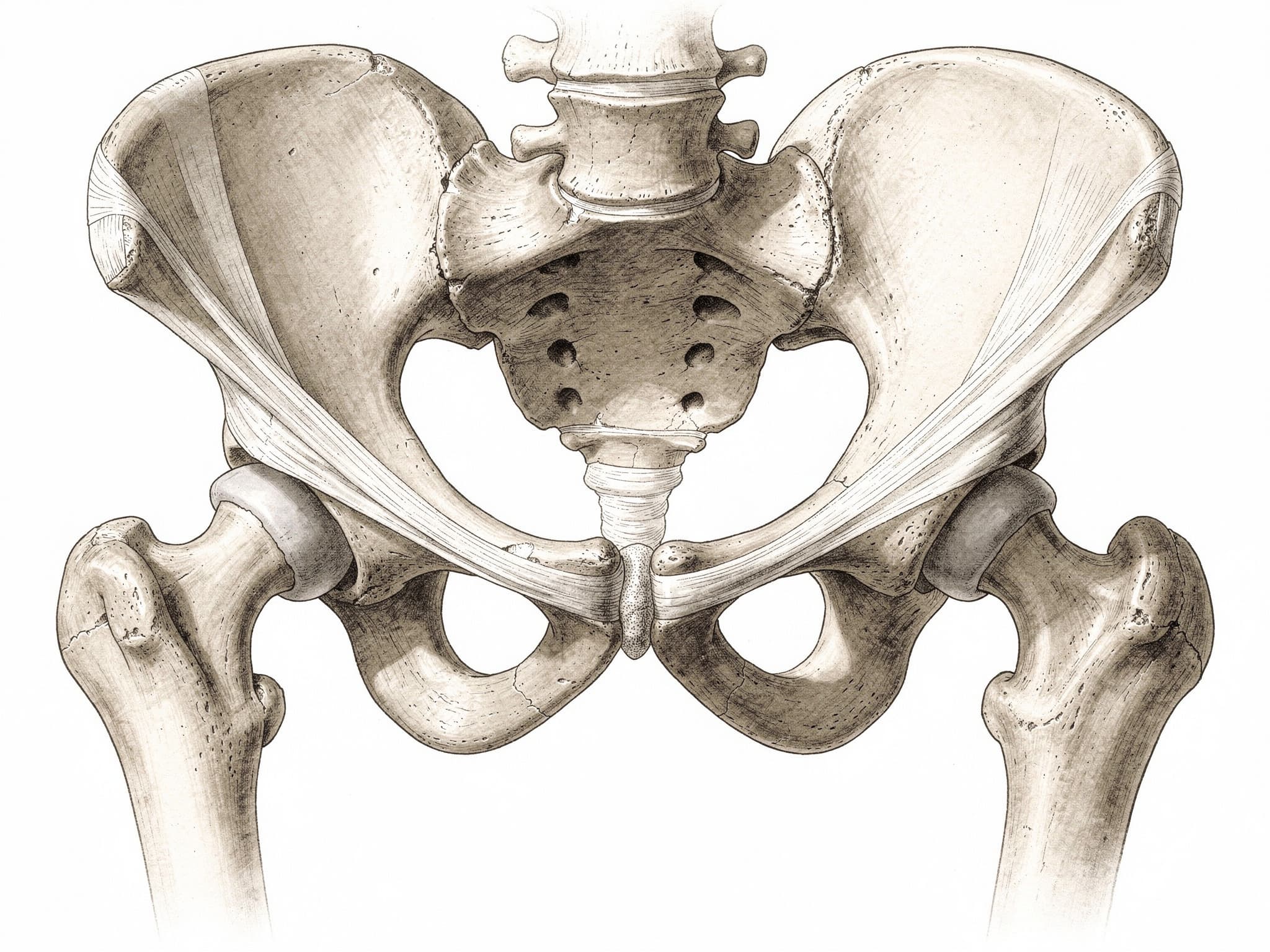
Groin Pain and Adductor Inhibition: The Missing Link in Pelvic Stability
The adductors are primary compression generators across the pubic symphysis and among the most commonly inhibited muscle groups in persistent groin pain. An inguinal hernia — even subclinical — produces a withdrawal reflex that inhibits the adductors and lower abdominals simultaneously. Without inguinal afferent assessment, adductor tendinopathy and osteitis pubis pattern pain cannot be neurologically explained or effectively treated.
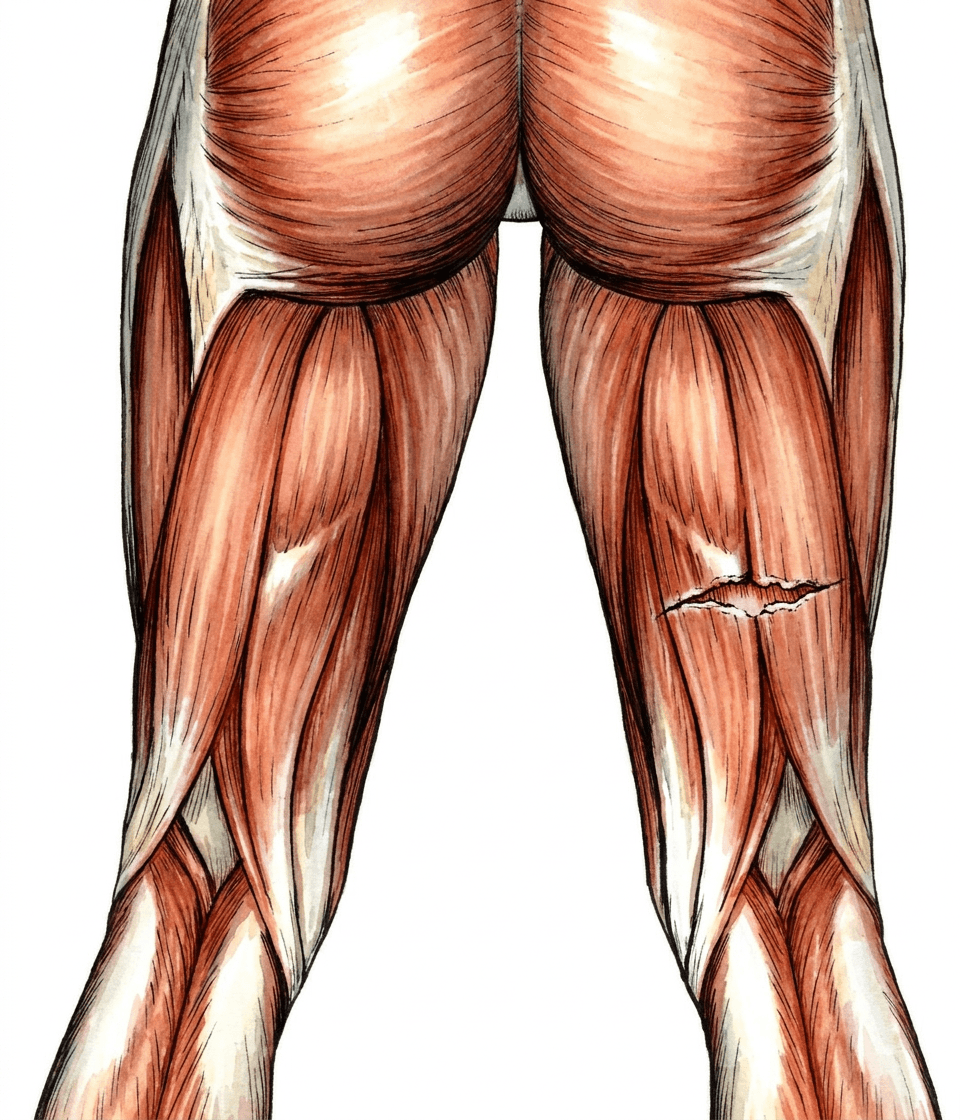
Hamstring Strain and Chronic Tightness: The Injury That Keeps Happening
Chronic hamstring strains share a neurological signature: the hamstrings are receiving a excessive stimulation from the spinal cord. The muscle is tight not because it is structurally shortened but because the nervous system has elected to brace it, often in response to a weakness in the antagonist.
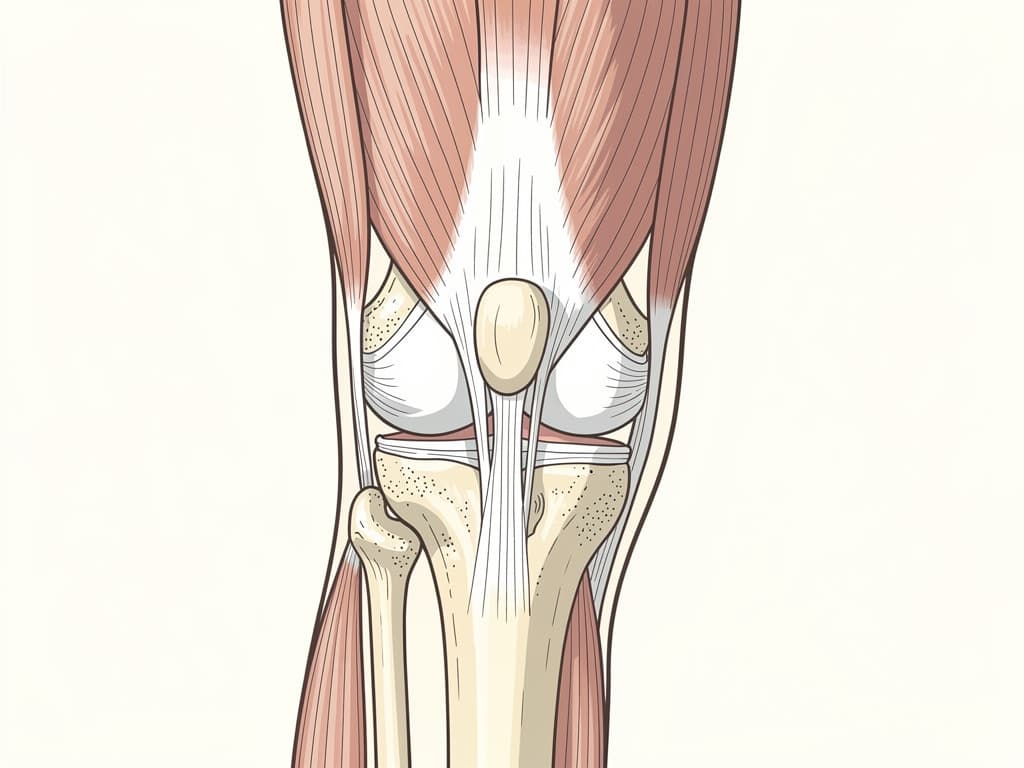
Patellofemoral Pain Syndrome: The Reason Exercise Isn't Working
The quadriceps is the primary patellar stabiliser. When it is neurologically inhibited the patella tracks laterally under load, creating anterior knee pain. Standard rehabilitation prescribes quadriceps exercises into motor neuron inhibition. The exercises cannot work until the programming is restored.
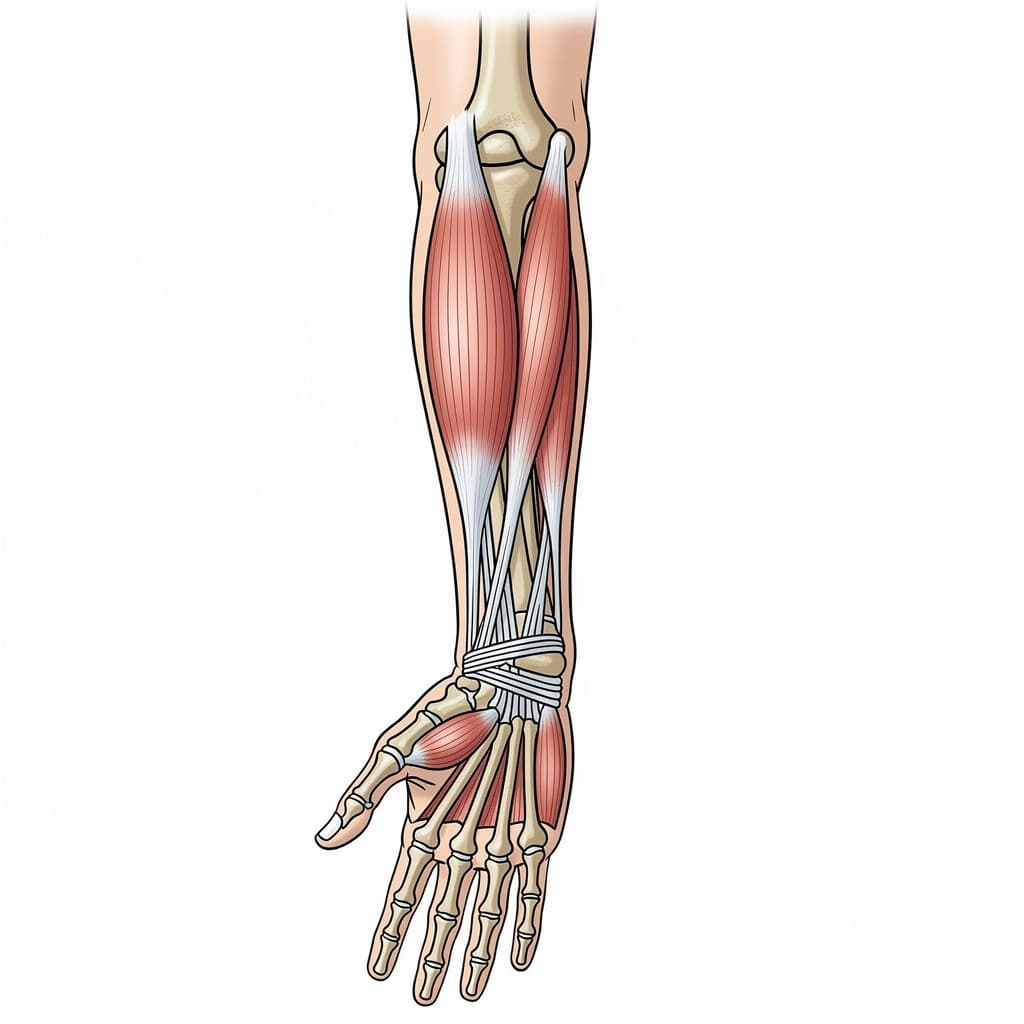
Tennis Elbow: Why Local Treatment Keeps Failing
Lateral epicondylitis is almost never a local tissue problem. The wrist extensors attach at the lateral epicondyle and their inhibition — from cervical disc, shoulder dysfunction, or radial tunnel afferents — transfers load to the tendon that the muscle should be absorbing. Injection, shockwave, and eccentric loading all target the hardware while the software failure continues unchallenged.
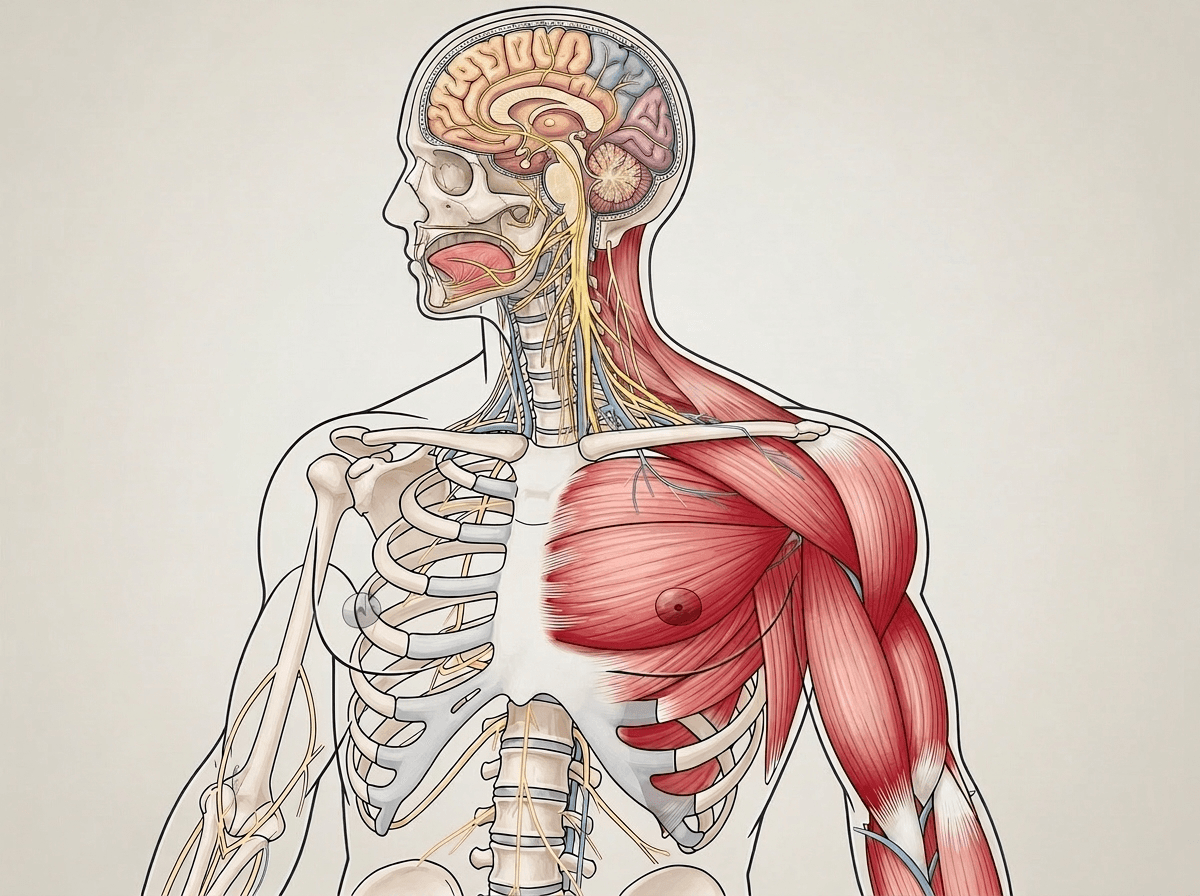
The Taste on Your Tongue Is Talking to Your Muscles
A patient lifts a weight with ease. A moment later, denture material touches the tip of her tongue, and the same lift becomes impossible. What we filmed raises a question most practitioners have never been trained to ask: what is taste actually doing to the rest of the body?
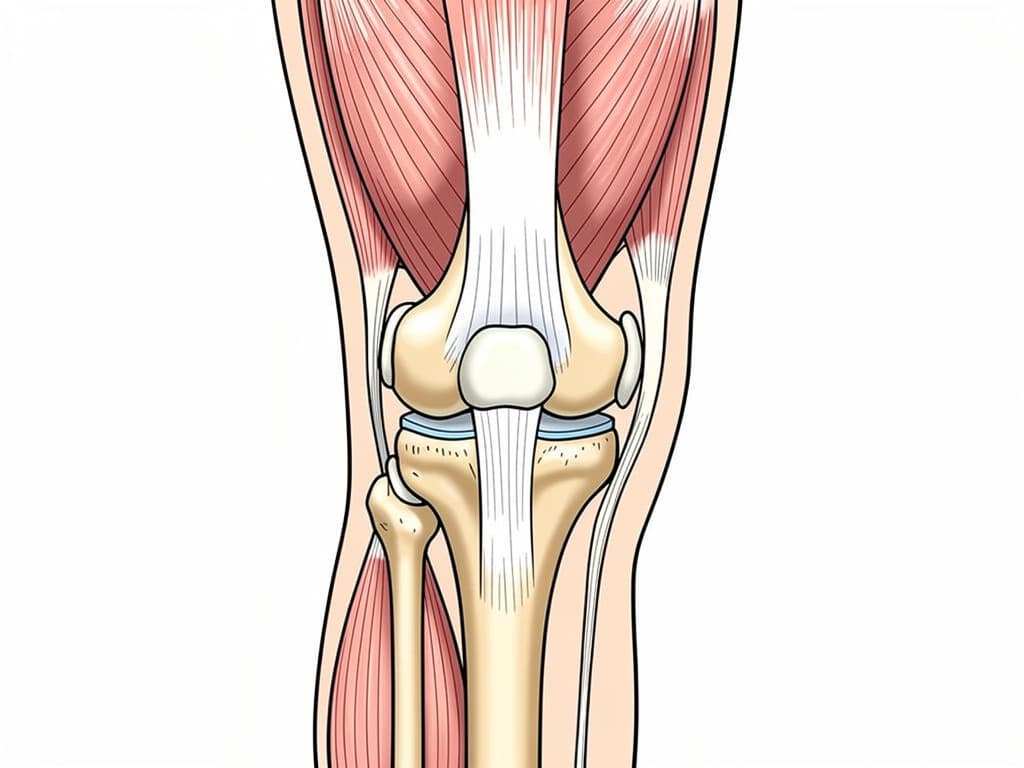
Knee Pain: Why the Quadriceps Inhibition Nobody Is Testing Is Destroying the Joint
The quadriceps are the primary protectors of the knee, controlling eccentric load through the myotatic reflex. When their motor neuron supply is compromised by a withdrawal reflex — from a lumbar disc, inguinal region, or knee joint afferents — force transfers directly to joint surfaces. The common clinical picture of quadriceps that will not activate despite months of rehabilitation is a software problem, not a muscle problem.
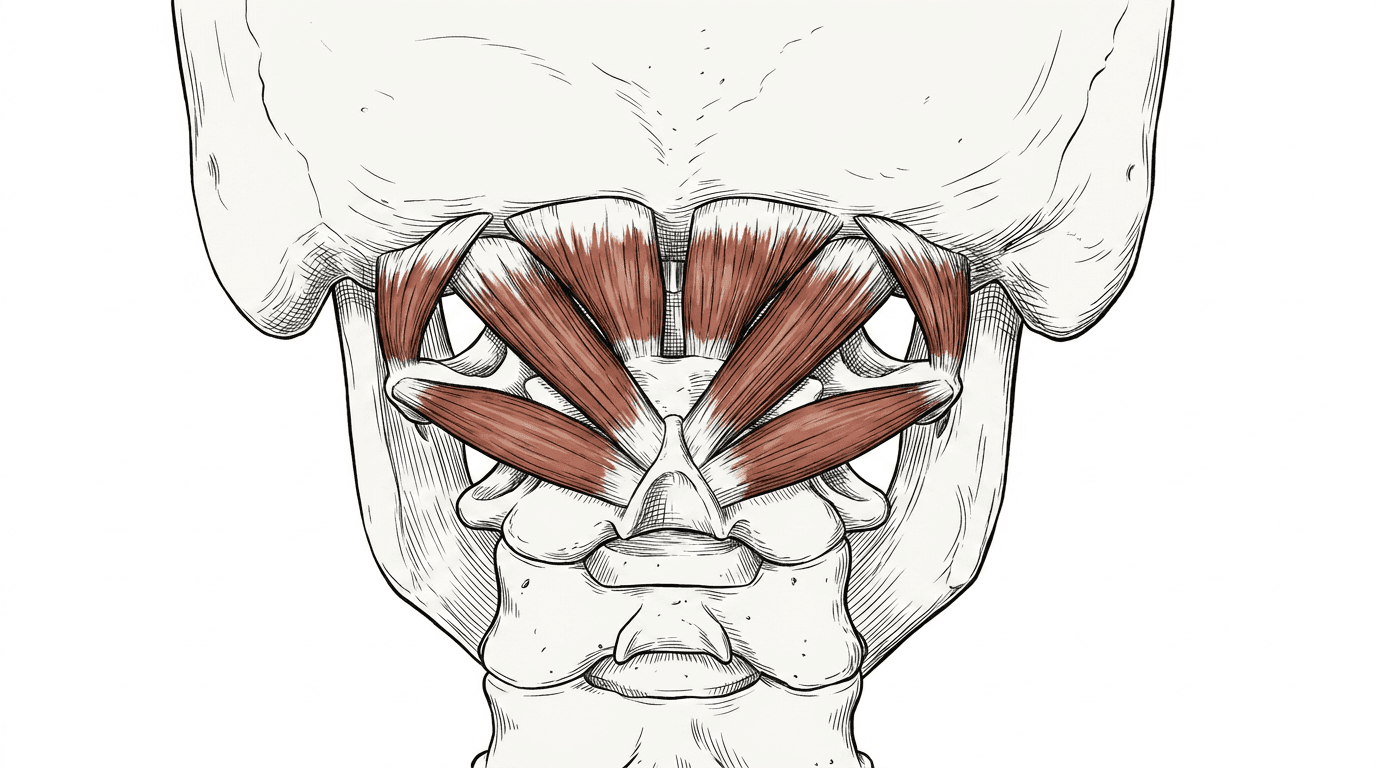
Suboccipital Pain and Cervicogenic Headache: The Neurons Behind the Suffering
Cervicogenic headache is driven by inhibition of the suboccipital muscles — rectus capitis posterior, obliquus capitis — not by structural cervical pathology. When an afferent irritant from a dental, cranial, or discal source reduces motor neuron output to these muscles, the upper cervical spine loses its primary soft-tissue protection. Restoring the afferent signal restores the tone, and the headache resolves.
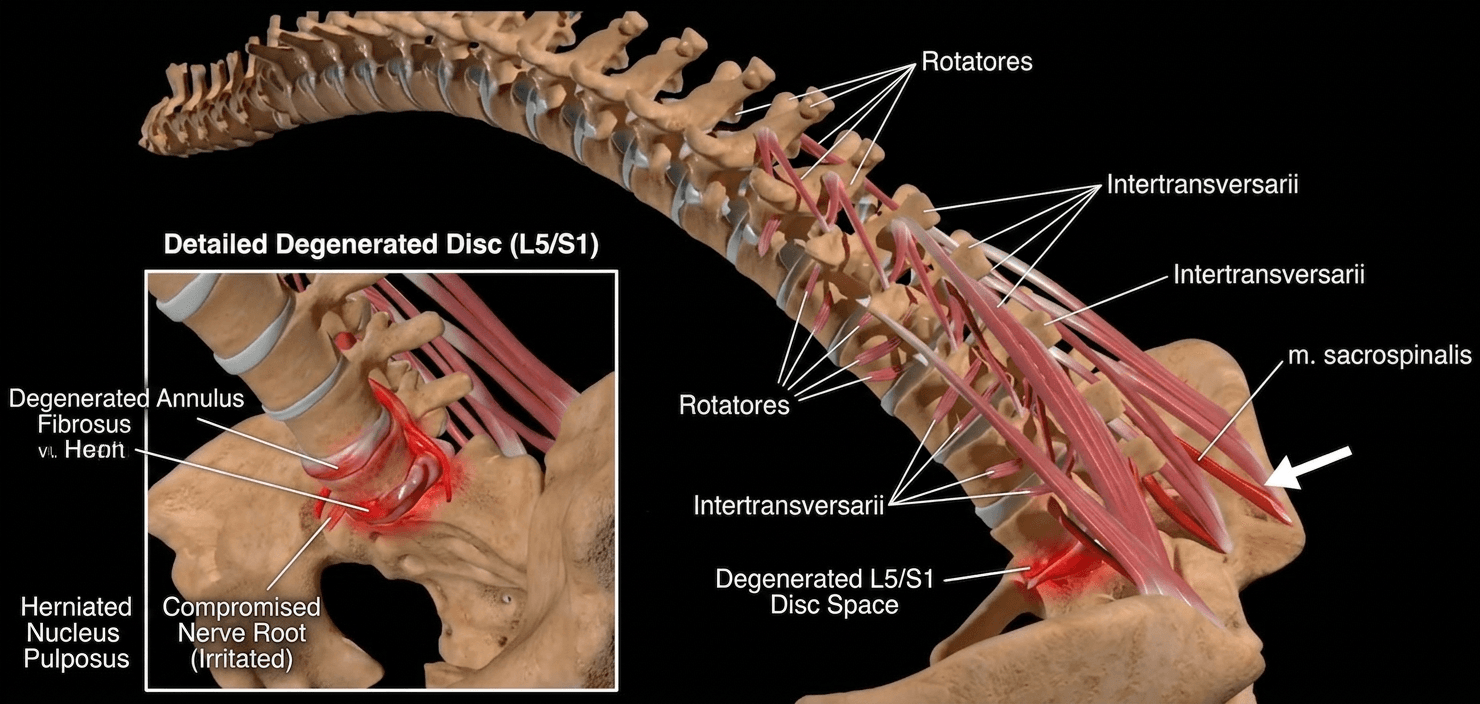
Acute Disc Herniation: A Failure of Muscle Control.
A disc herniation is not the beginning of the problem — it is the end result of a neurological short-circuit. Afferentology identifies the neuromuscular inhibition that leaves the deep spinal stabilisers compromised, predisposing the patient to disc injury, and traces this inhibition to its source.
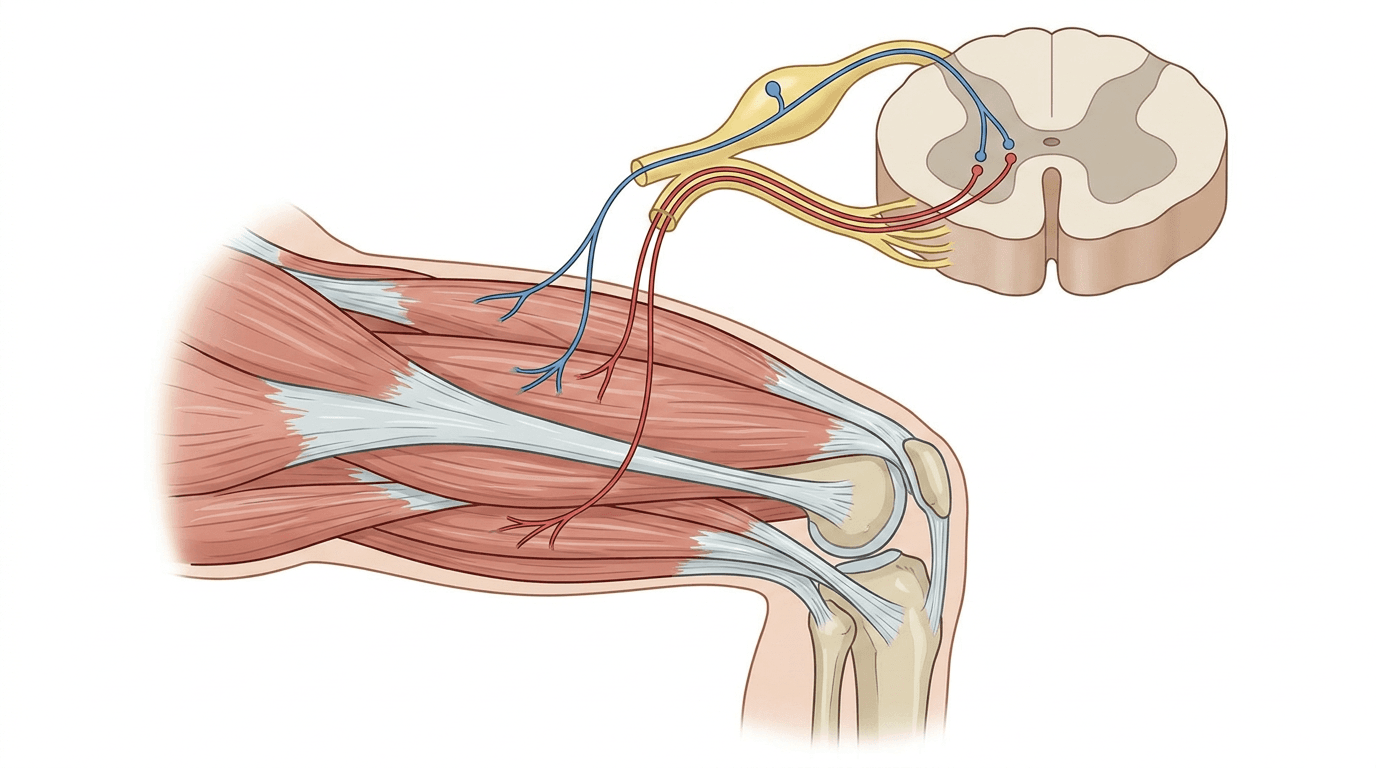
The Ultimate Audit of Human Function: Why Manual Muscle Testing is a Health Test
Many clinicians view manual muscle testing as a simple measure of physical strength or structural power. This article explores why a precisely applied manual test is actually the ultimate health assessment, offering an exclusive window into the nervous system's capacity to seamlessly transition between contractions and protect the body from unpredictable real-world forces.

The Feedback Loop: Why Your Brain is Waiting on Your Muscles
Discover why athletic performance depends on the quality of sensory input and how Afferentology fixes corrupted neurological data.
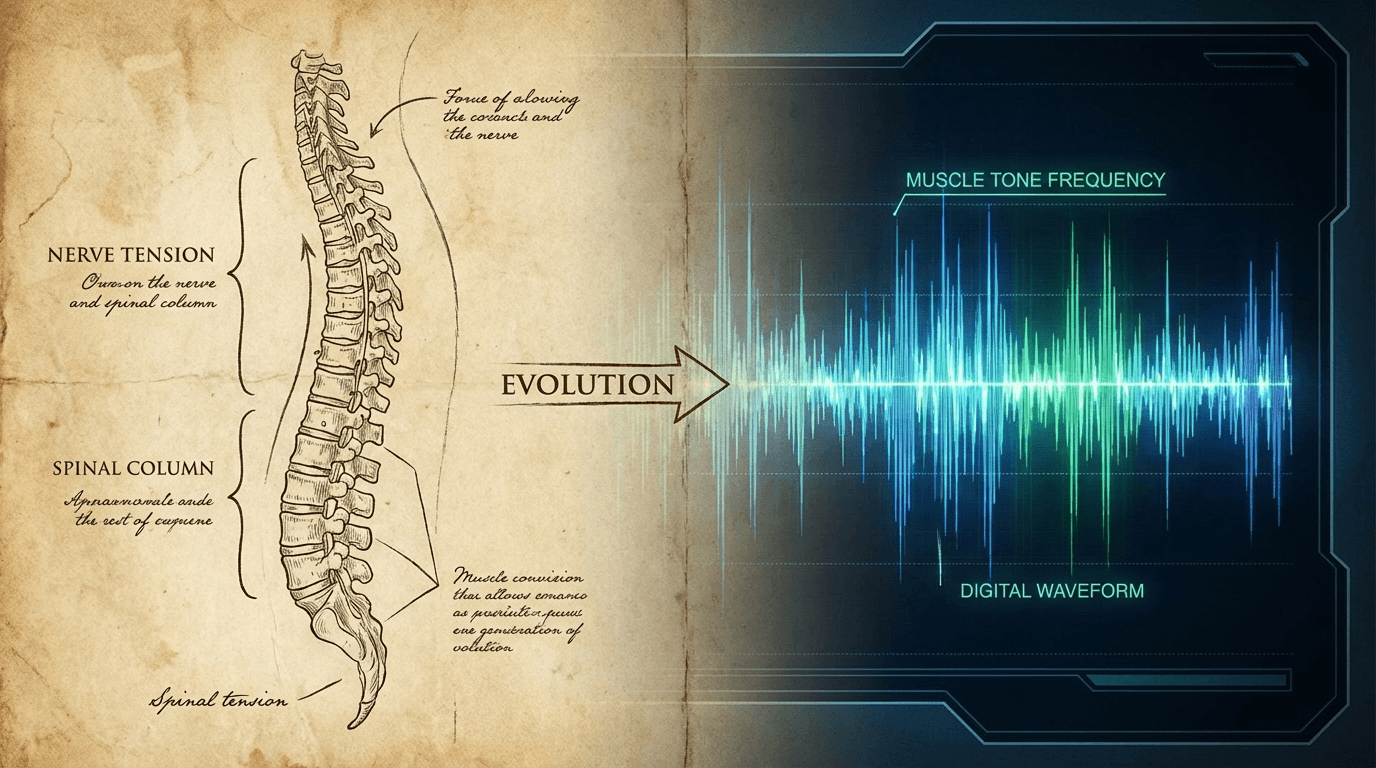
The 120-Year Glitch: Updating Palmer’s Vision with Modern Neurology
In 1910, the founder of Chiropractic, DD Palmer, made a radical claim that would define his life’s work: "Life is the expression of tone."
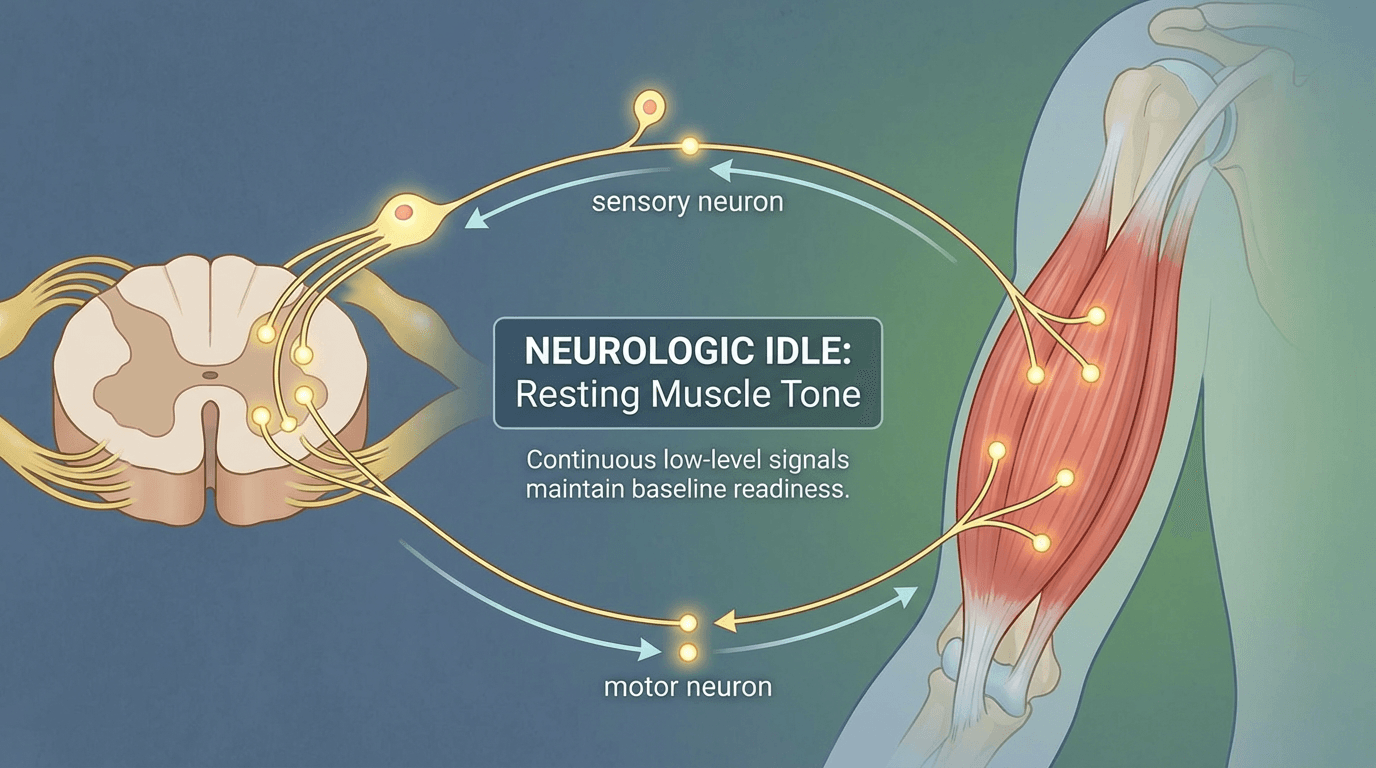
Beyond "Imbalances": Your Spinal Cord Dictates Muscle Tone
Learn why most attempts at therapy provide only temporary relief when the spinal cord is managing the "software" of your movement.
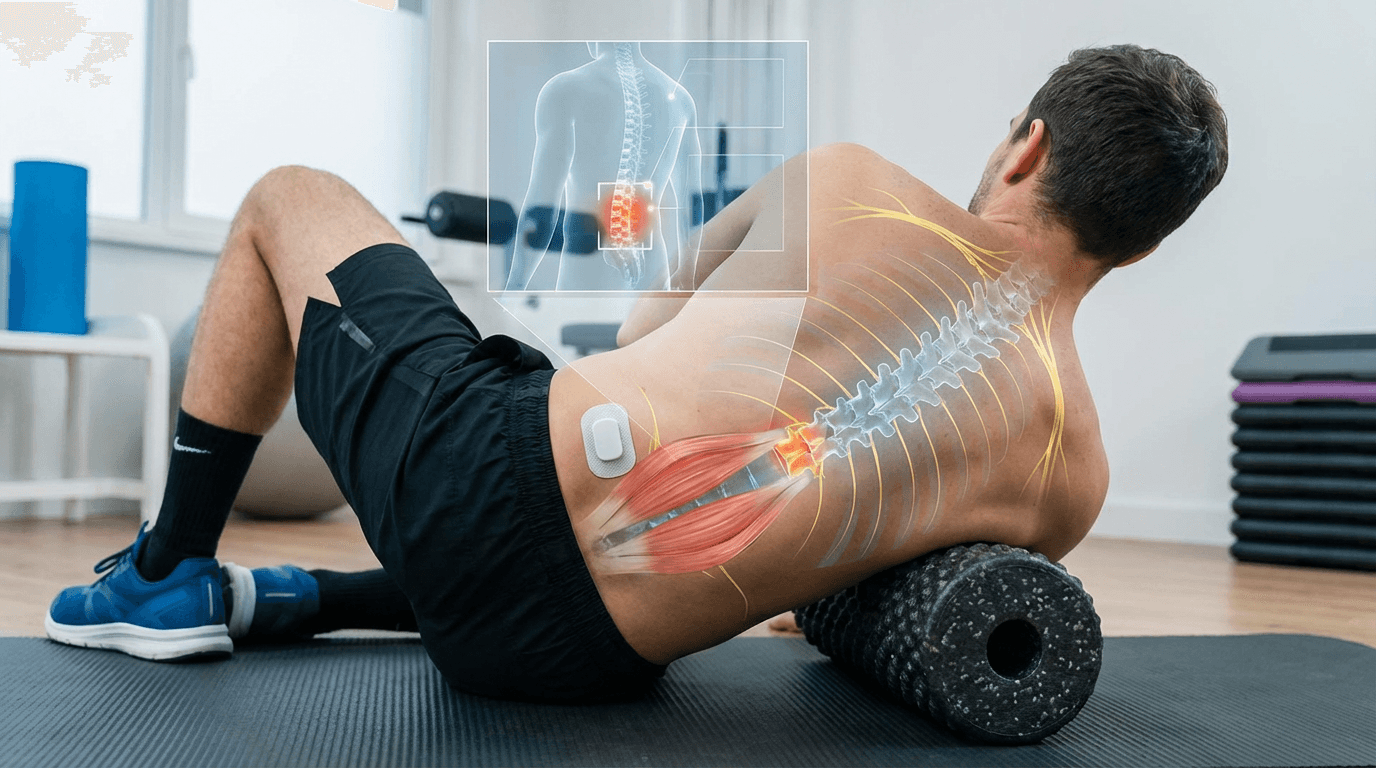
The Volume Knob of Pain: Understanding Your 50Hz Resting Tone
If you feel "tight" no matter how much you stretch, the problem isn't your muscles. It's the baseline frequency of your nervous system. Welcome to the world of neurological software.
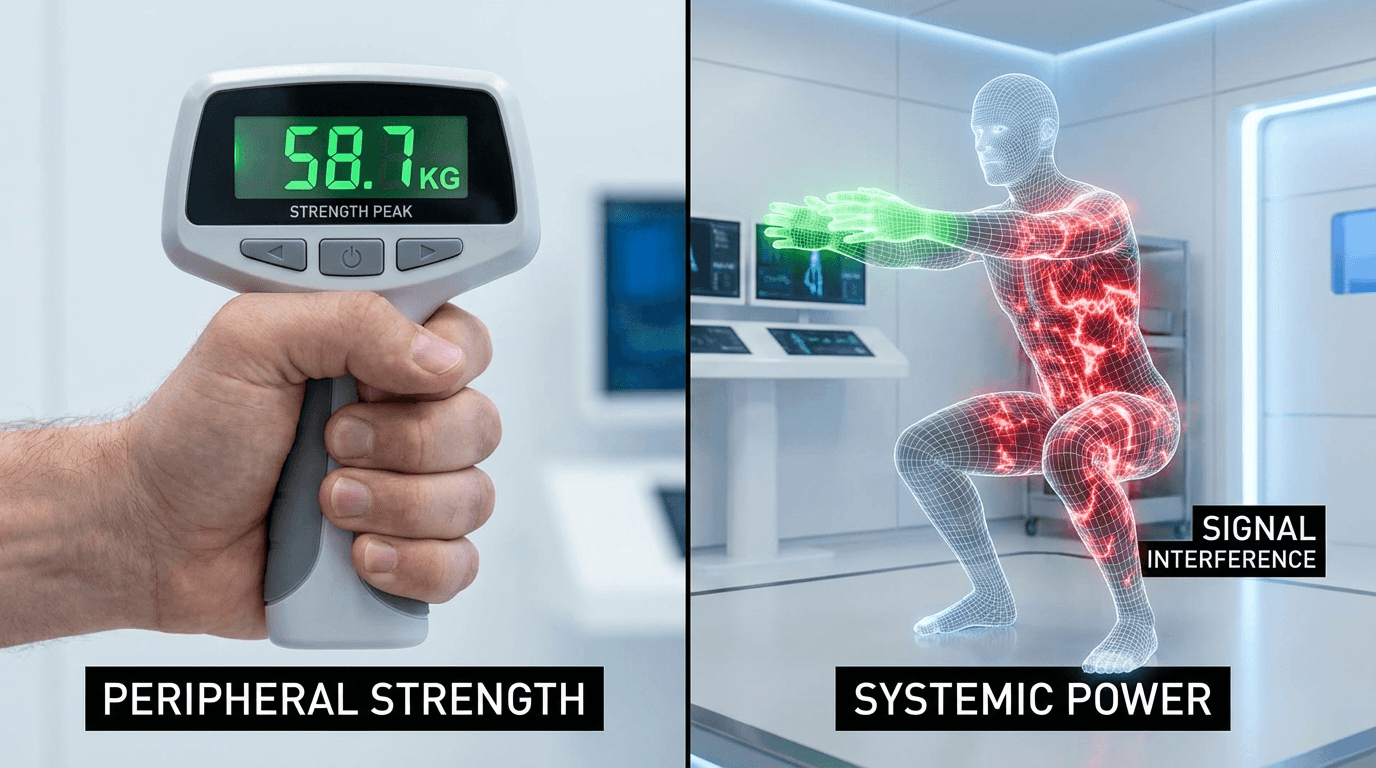
The Neurological Voltmeter: Why Whole-Body Power is the Ultimate Predictor of Survival
If you want to know how well the engine is running, you don't just look at the size of the block; you check the spark. In the human body, that spark is your whole-body neurological output.
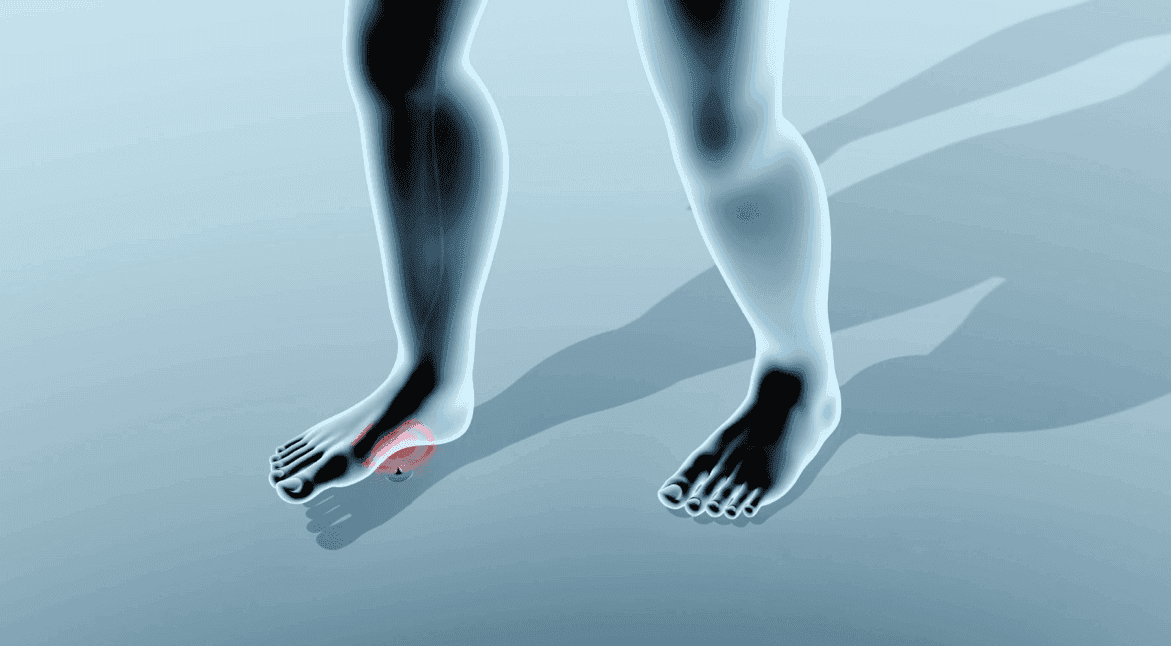
Beyond Biomechanics: The Role of Afferent Irritants in Muscular Inhibition
Most chronic pain protocols fail because they treat the "hardware" of the body—muscles and bones—while ignoring the "software" that controls them. If you have a nail in your foot, the solution isn't a better hip exercise; it's removing the nail.

Are You Still Suffering?
Even elite athletes end up with career-ending injuries because nobody identified why their body could not heal itself.

Research: Individuals vs Averages
Good science measures the outcome of an intervention on a subject and compares that with the outcome on a control.
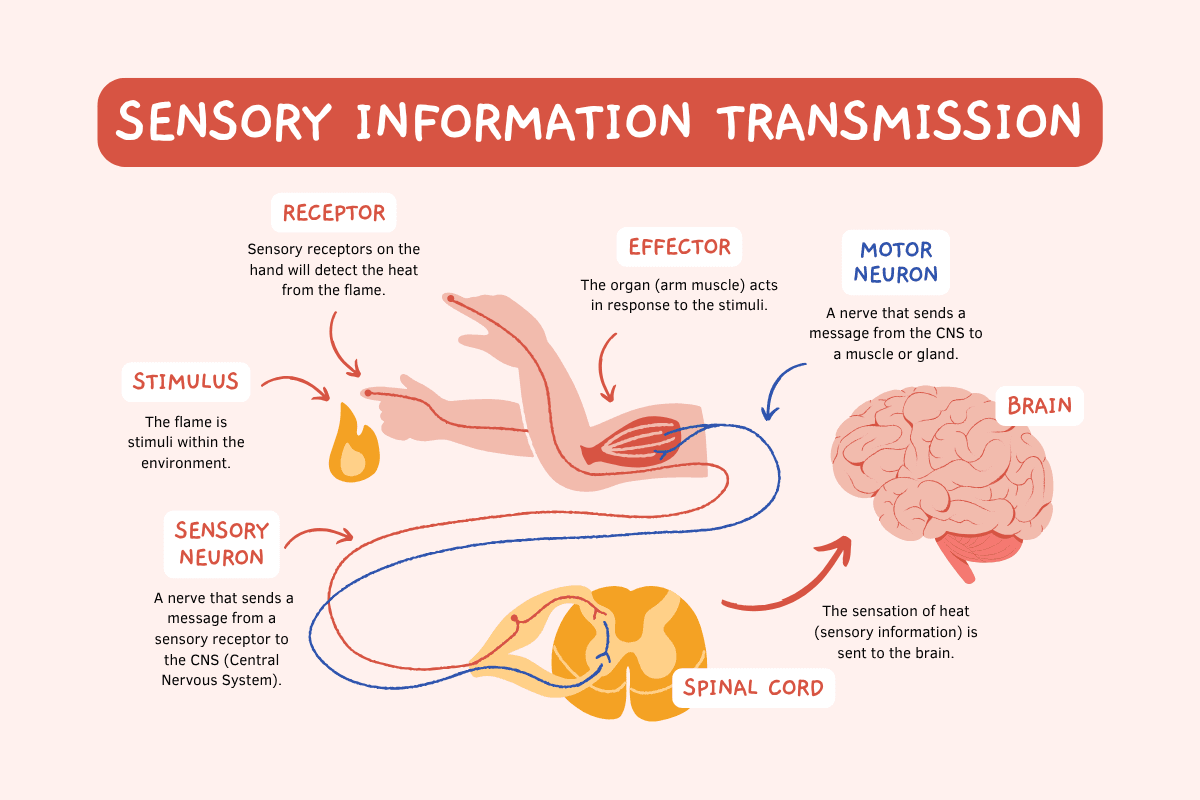
The Unseen Foundation of Health: Muscle Reflexes
Why it is important to test the myotatic reflex which constantly governs muscle tone.
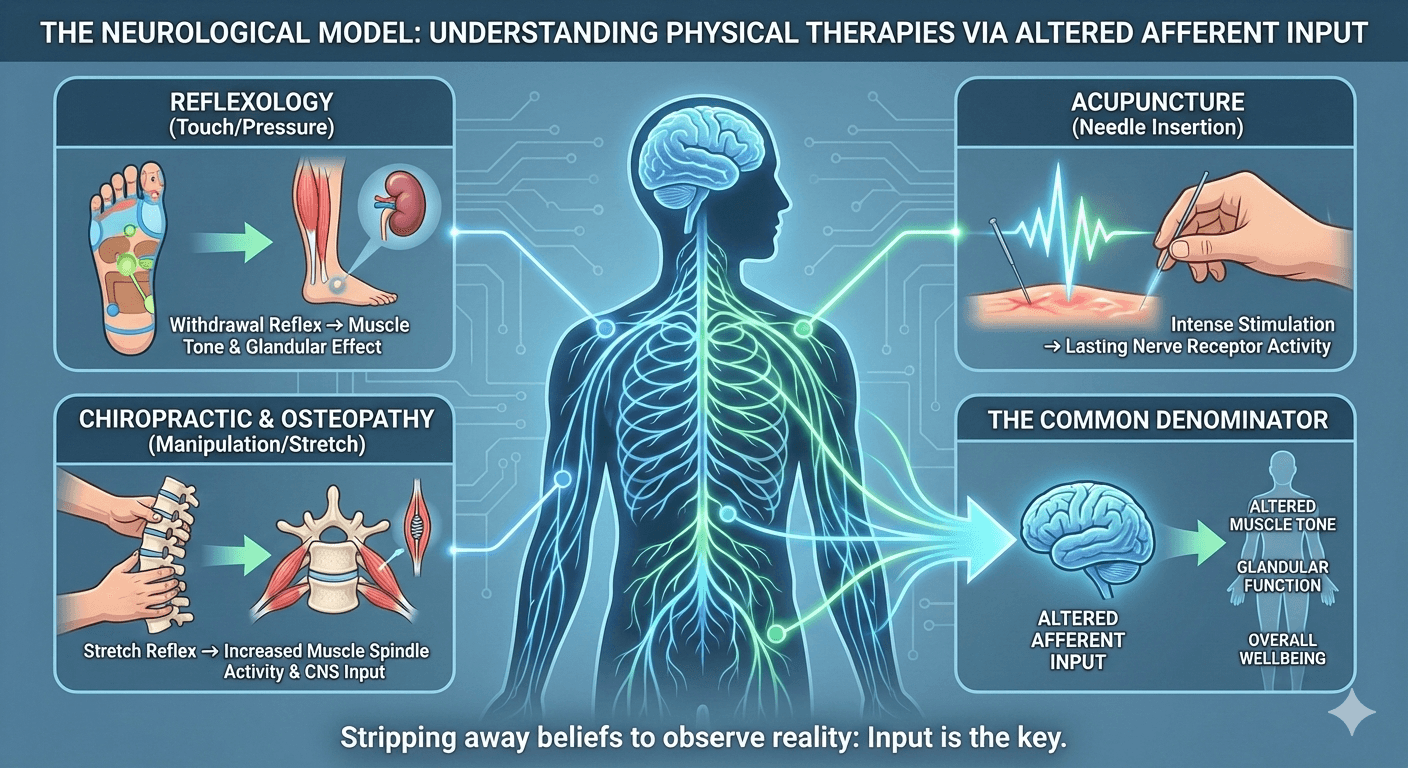
The Universal Signal: Redefining Manual Therapy through Afferentology
Afferentology provides a universal framework for understanding and treating a wide range of physical complaints.
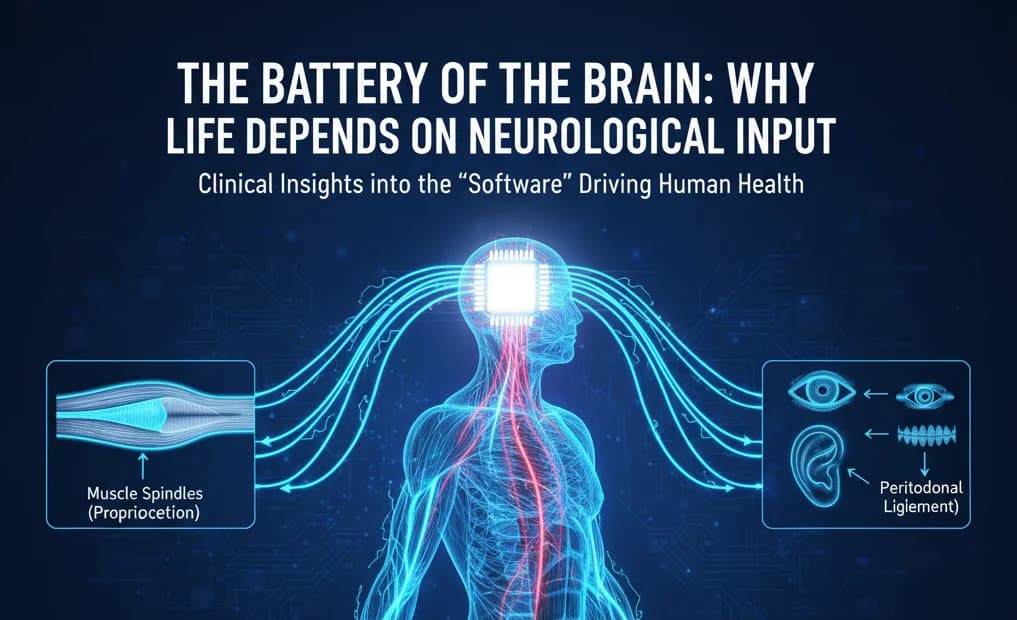
The Battery of the Brain: Why Life Depends on Neurological Input
The human body is a dynamic, self-regulating system that constantly adapts to its environment.
Ready to Learn More?
Dive deeper into Afferentology through our comprehensive training programs.
Explore Training Courses