In traditional medicine, we are trained to look at where it hurts. If a patient has chronic back pain, we scan the spine. If a knee is unstable, we strengthen the quads. We treat the body like a machine made of hardware—levers, pulleys, and bones.
But the body isn't just hardware; it is a system governed by complex software. This software—the neurological output from the brain—is only as good as the data it receives. This is the world of Afferentology.
The "Nail in the Foot" Analogy
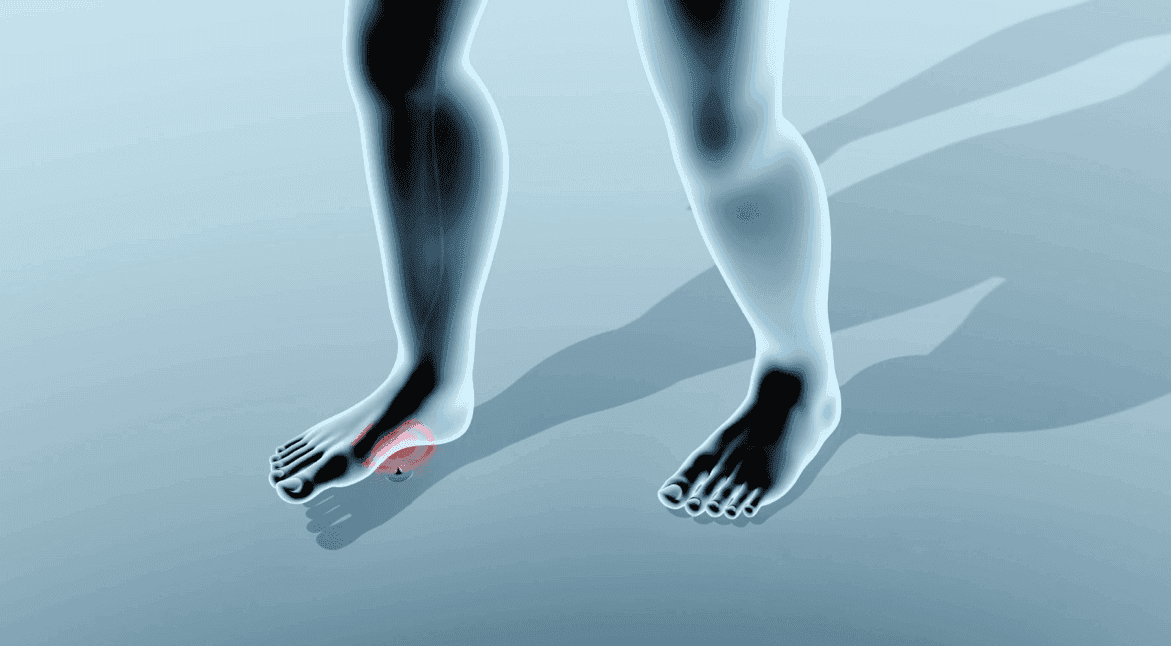
Imagine you have a nail stuck in your heel. To protect you, your brain will immediately change your gait. You will limp. Your hip will tilt, your opposite knee will overcompensate, and eventually, your lower back will begin to ache.
"If you go to a specialist for your back pain, they might prescribe core stability. If you go for your knee, they might suggest a brace. But until you pull the nail out of your foot, no amount of 'hardware' intervention will fix the limp."
In chronic clinical cases, the "nail" is often a hidden Afferent Irritant. It could be an old surgical scar, a dental misalignment, or a dysfunctional skin sensor. These irritants trigger the Withdrawal Reflex, a survival mechanism that inhibits (or "unplugs") specific muscles to move you away from perceived danger.
Hardware vs. Software: Why Strengthening Fails
When a muscle is neurologically inhibited, it is not "weak"—it is offline. The brain has intentionally turned down the volume to that muscle to protect the system. This is a disruption of the 50Hz Resting Tone, the background frequency of a healthy nervous system.
Trying to strengthen an inhibited muscle is like trying to turn on a lightbulb when the circuit breaker has tripped. You can change the bulb (the hardware) as many times as you want, but the room will stay dark until you reset the software.
The Afferentology Solution: Protective Reflex Testing
Our goal isn't to treat the diagnosis; it's to find the afferent input that is corrupting the signal. Through Protective Reflex Testing, we identify which muscles are inhibited and systematically locate the irritant that is "tripping the breaker."
- Step 1: Identify the inhibited muscle (The "Limp").
- Step 2: Locate the Afferent Irritant (The "Nail").
- Step 3: Neutralize the input and restore the 50Hz signal.
Redefining Your Practice
Stop managing symptoms and start fixing the system. When you restore the afferent signal, the body’s innate stability returns instantaneously. It isn't magic; it's neurology.