The Science of Afferentology
Explore research articles, scientific insights, and the neuroscience behind afferent input and muscle function.
Foundation Articles
Essential concepts for understanding Afferentology

Why Afferent Input Matters
Understanding why paying attention to afferent input is crucial for examining and treating patients based on neurological input and output.

The Myotatic Reflex
Your body's most important defense mechanism for controlled movement, injury prevention, and maintaining proper muscle tone.
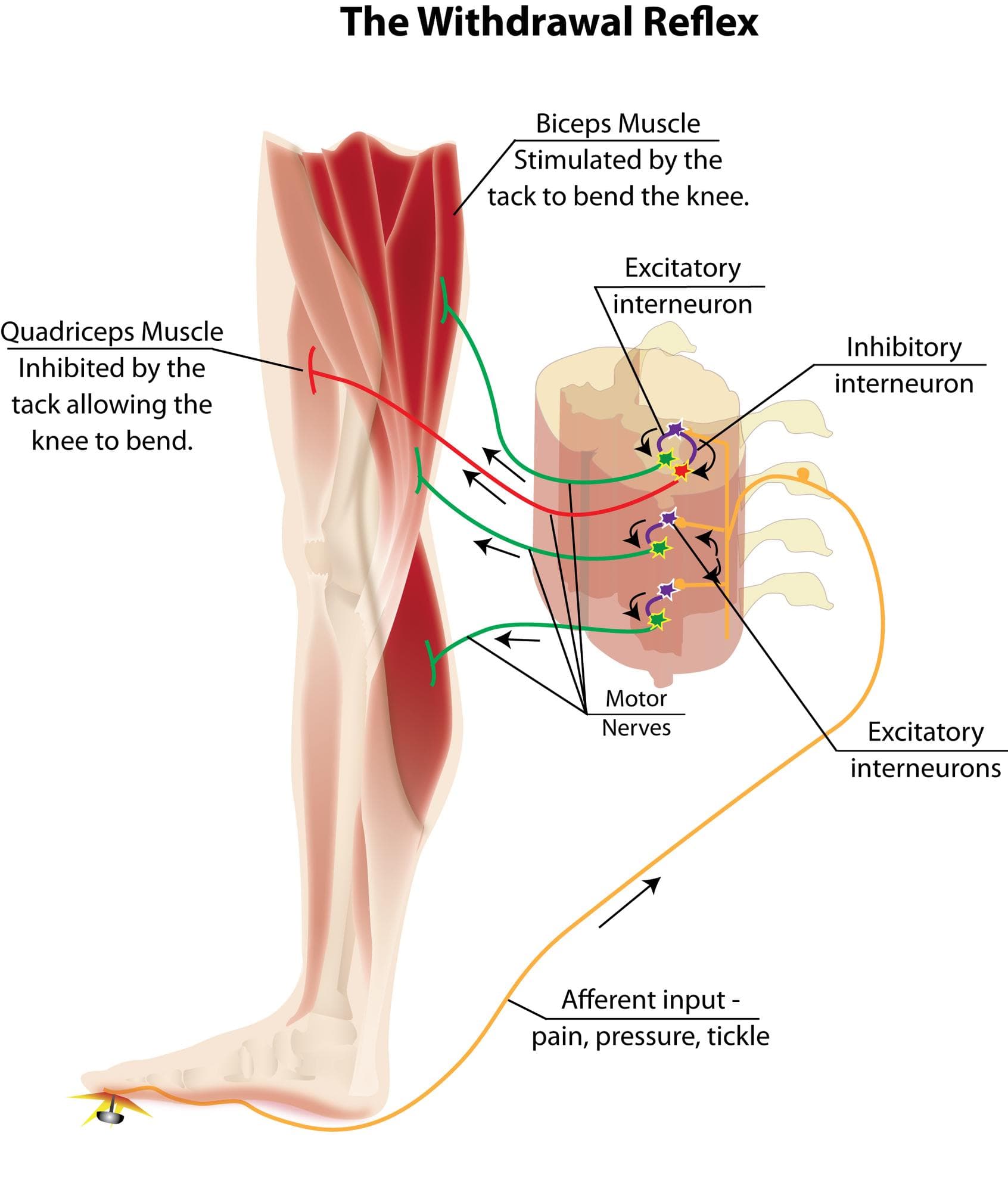
The Withdrawal Reflex
How sensory receptors have direct control over muscle tone to protect us from danger and respond to irritation.
Latest Research & Articles
Recent insights and case studies
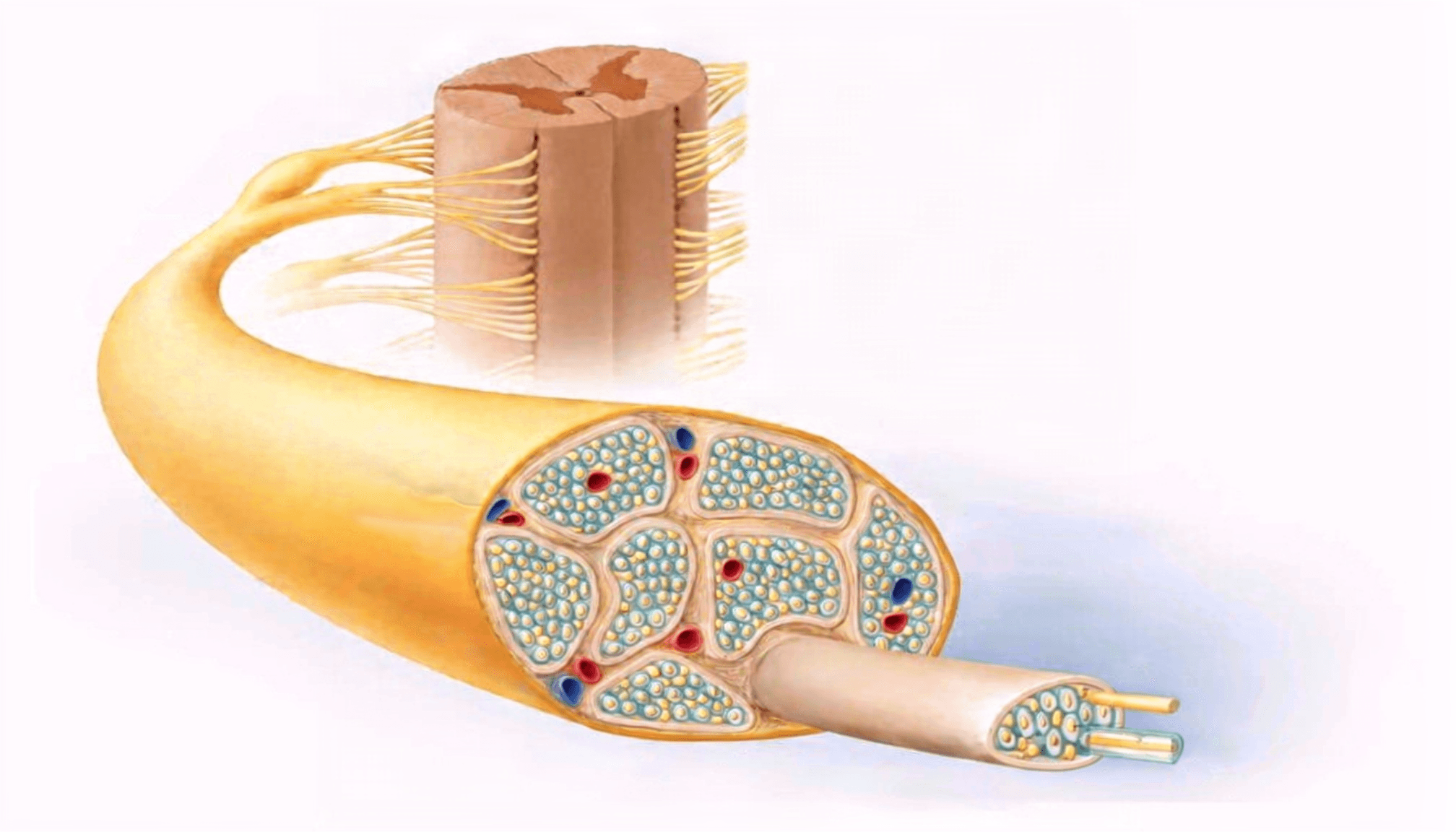
One Cable, Two Directions: How a Spinal Nerve Carries Messages In and Out Without Crossing Wires
Every spinal nerve carries sensory signals in and motor commands out, packed side by side in the same cable. Here's how that works, why the signals never cross, and how we finally learned to listen to a living human nerve.
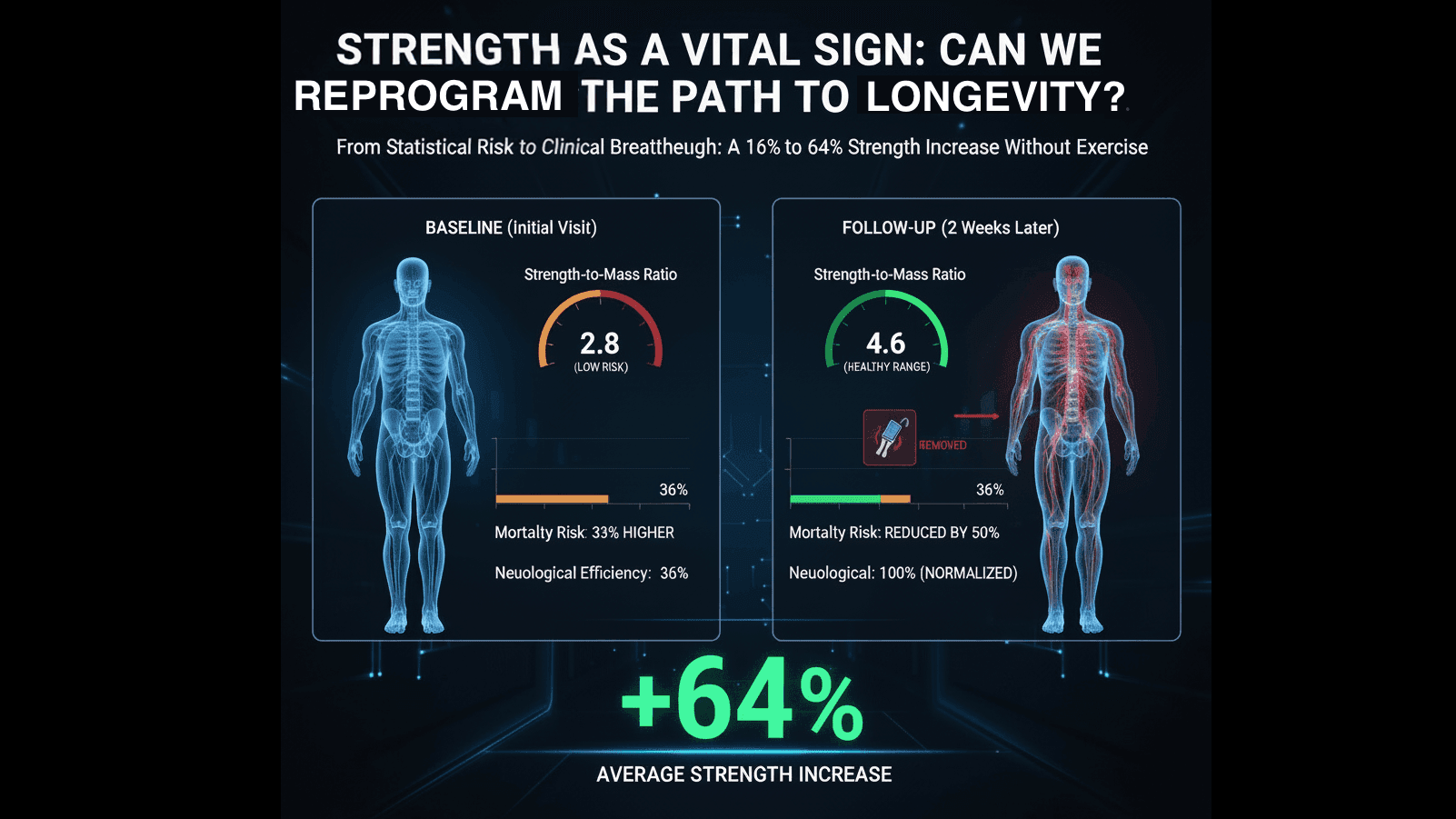
A Muscle Tone Experiment
My attempt to reproduce the protocols used by the landmark study in the British Medical Journal.

Muscle Spindles Measure Force, Not Just Length
Muscle spindles don't just measure length. New research shows they track force and how fast it changes, which is why strong muscles can fail mid-movement.

Strength Is a Vital Sign. A Pair of Hands Measures It Better Than a Machine.
We measure blood pressure, cholesterol and HbA1c — but almost never whether your muscles actually work. When researchers tested both methods head to head in intensive care, manual muscle testing predicted who survived. The grip machine didn't. Here's why strength is a reading of your nervous system, not a fitness score.
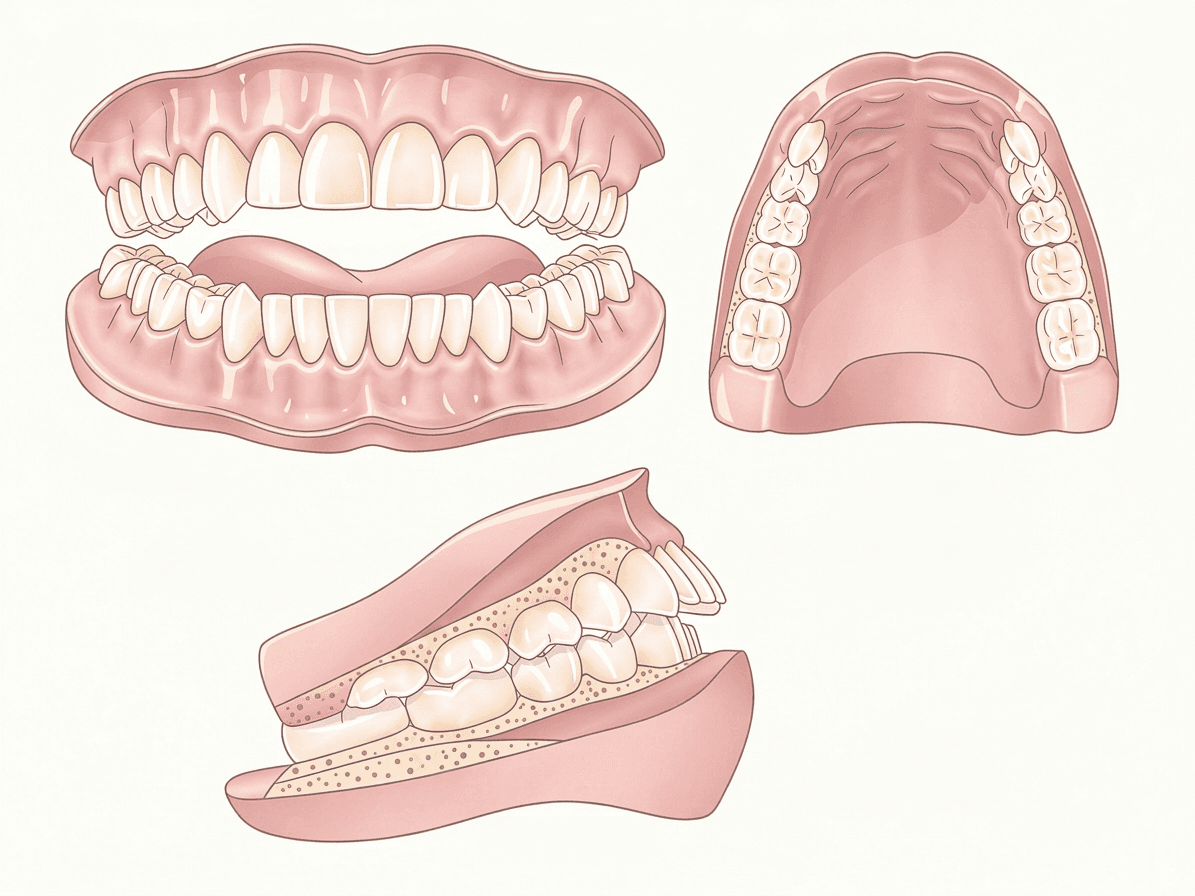
What's Left Behind: The Hidden Chemistry of Denture Acrylic
A patient's denture fits perfectly, looks perfect, and still leaves her with a burning tongue and gums that never quite feel right. The answer isn't in the fit at all, it's hidden in the toxicity of the material itself.
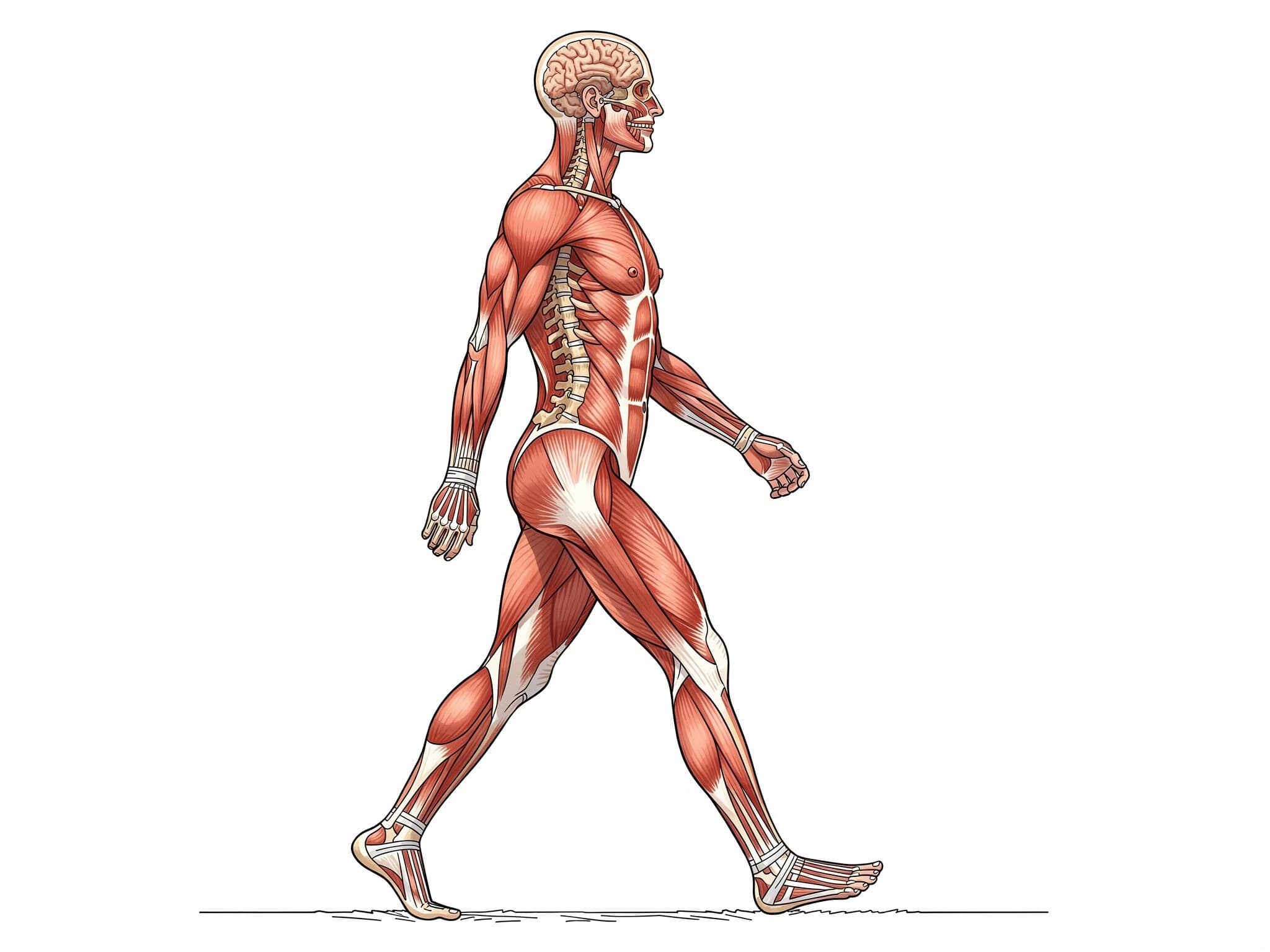
The Gait Speed Fallacy: Why Walking Faster Won't Save Your Life
Epidemiological research has long confirmed that walking speed is one of the most accurate surrogate predictors of human mortality. But treating a slow gait by simply forcing yourself to walk faster is like painting over a "check engine" light—it confuses the symptom for the cause while ignoring the deep neurological breakdown occurring beneath the surface. This article explores why gait speed is a biological readout of sensory processing and motor output, and why restoring true functional longevity requires clearing neurological interference rather than forcing speed over signal.
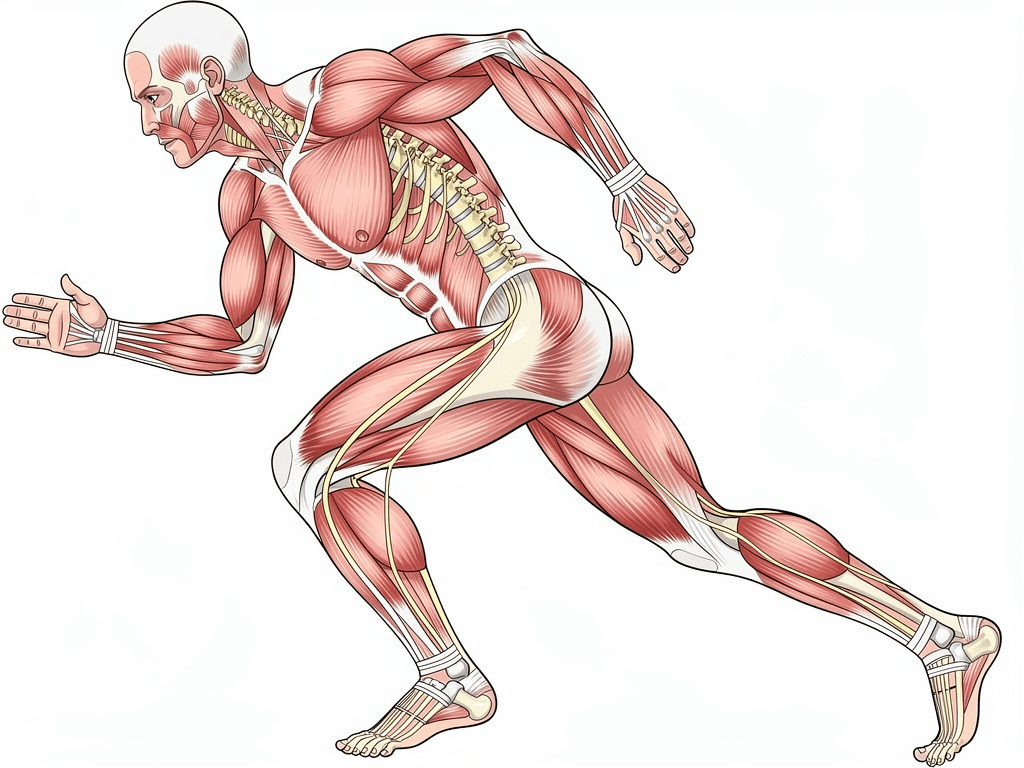
Chronic Fatigue: Why the Problem Might Be in Your Muscles, Not Your Adrenal Glands
The adrenal gland fires adrenaline in direct response to muscle spindle afferent input. Inhibited muscle tone suppresses this drive — producing persistent fatigue, low motivation, and poor stress tolerance. The adrenal gland is not the problem. The signal it depends on has been withdrawn.
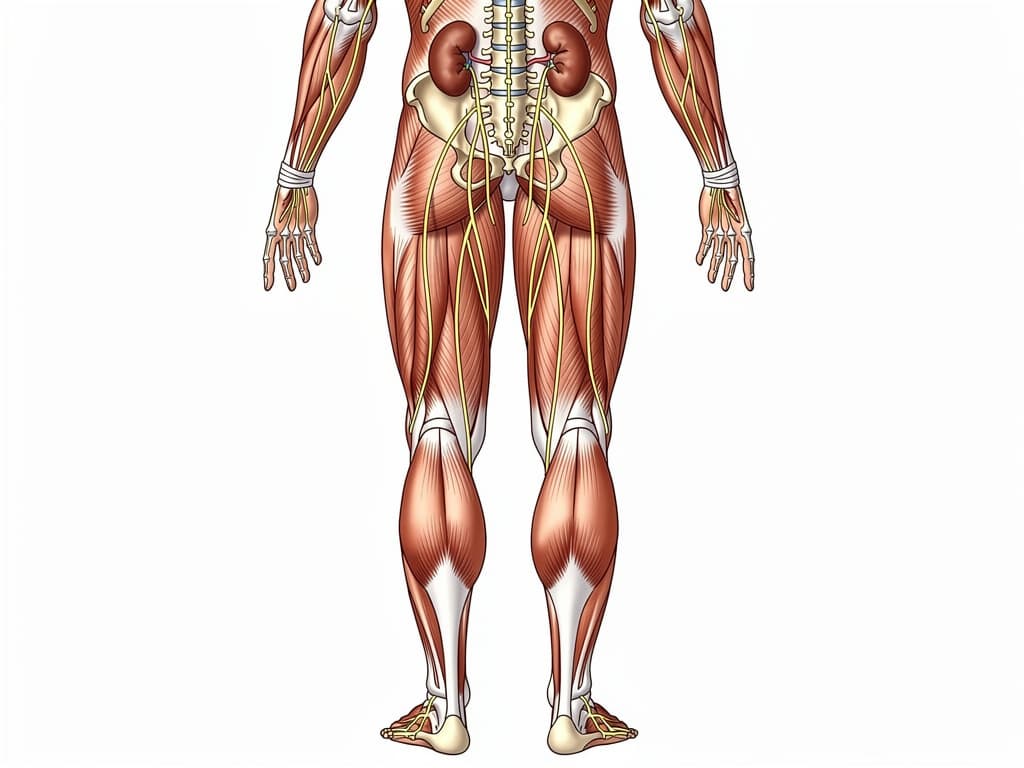
High Blood Pressure: The Kidney Is Listening to Your Muscles
Renal sympathetic nerve activity tripled within three seconds of muscle contraction onset — and dropped to zero when spindle afferents were cut. The kidney takes its regulatory instruction from the muscles. Inhibited muscle tone disrupts that instruction, and blood pressure follows.
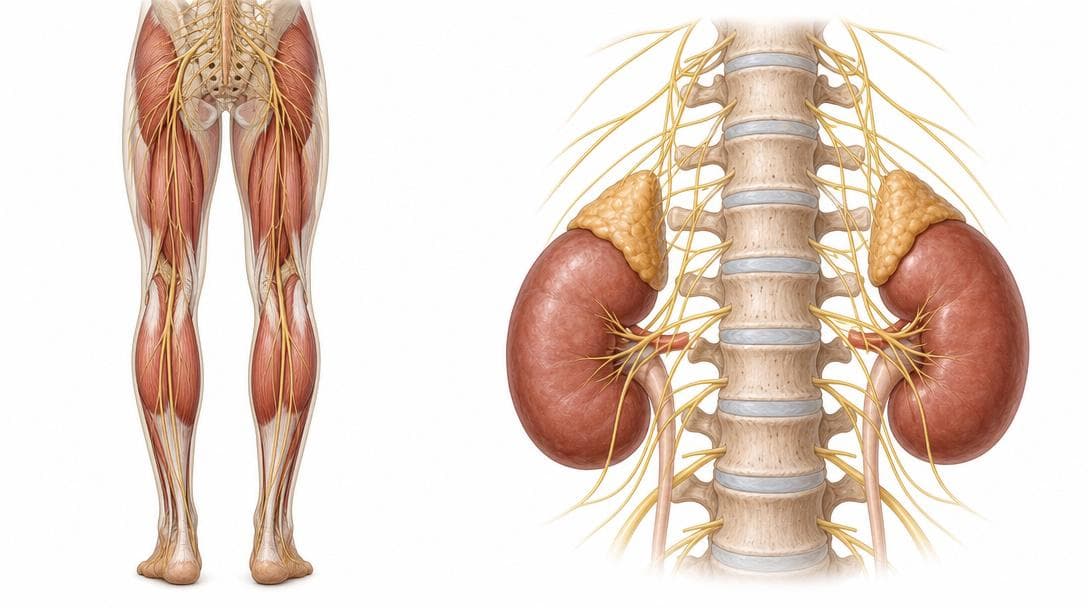
Muscle Tone Is Not Just Structural: It Controls Your Adrenal Glands, Your Kidneys, and Your Energy
Muscle spindle afferents drive sympathetic nerve activity to the adrenal glands and the kidneys. Inhibited muscle tone suppresses this signal — disrupting adrenal output, blood pressure regulation, hormonal cascades, and metabolic function. Muscle tone is not just structural. It is organ medicine.
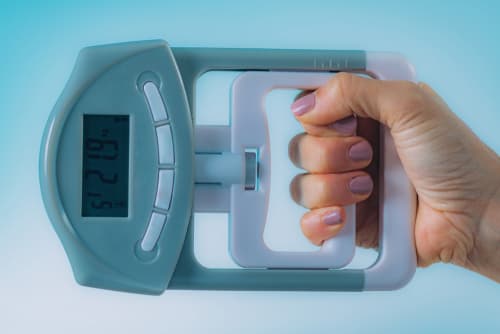
The Connection Between Handgrip Strength and Mortality/Morbidity
Research consistently shows a strong correlation between grip strength and overall health outcomes.
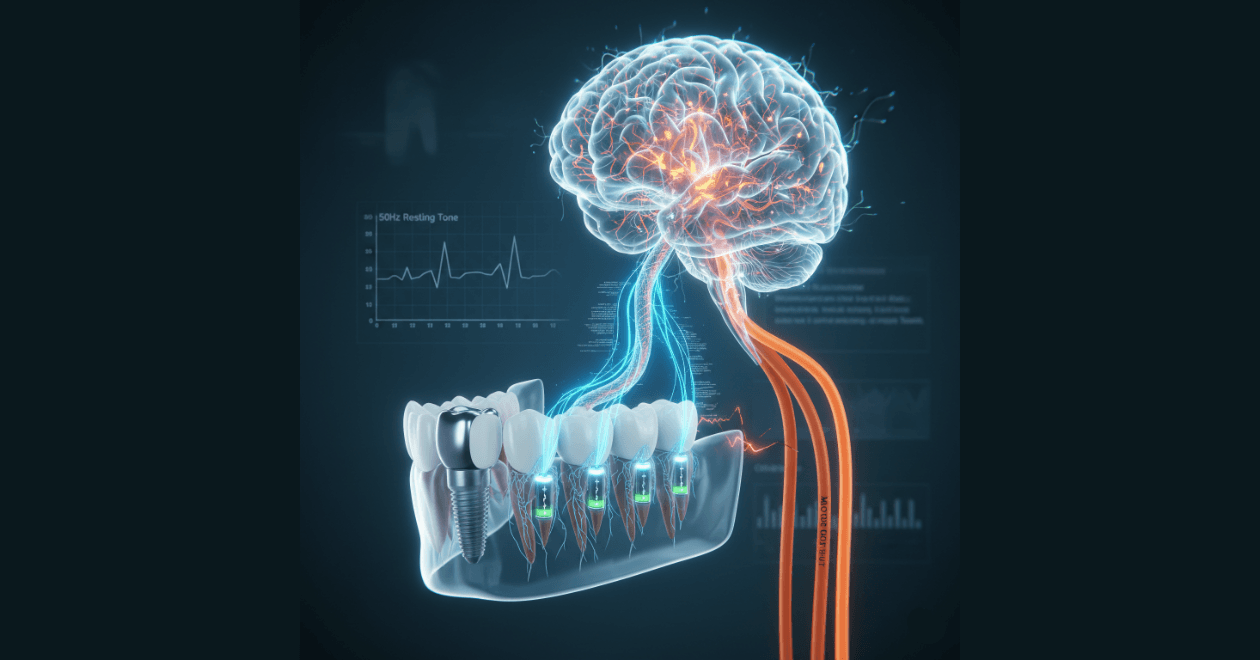
The Neurological Battery: Your Brain Runs on Afferent Input
Your brain is a high-performance computer that cannot run without a power source; that power comes from the constant 'amperage' generated by your periodontal ligaments and muscle spindles.
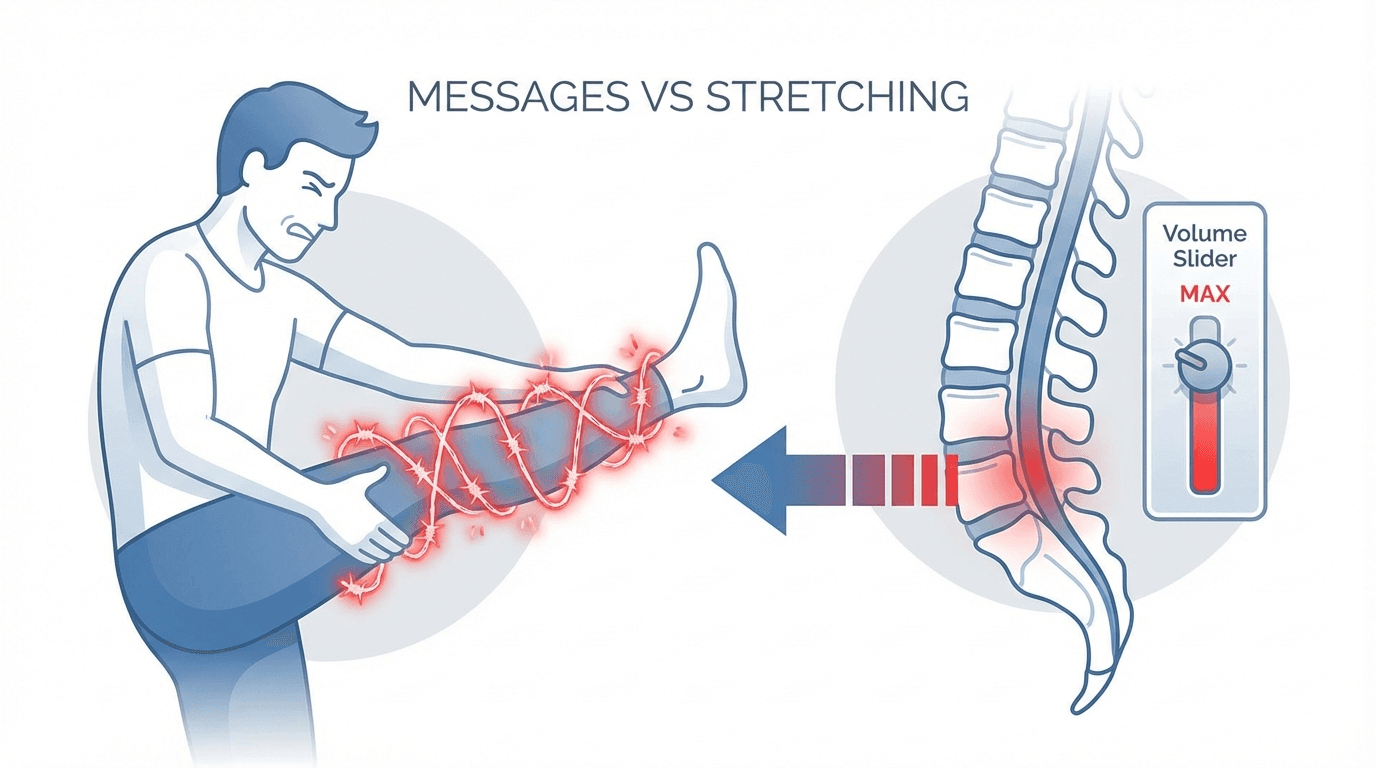
The Spindle Paradox: Why Your Sensors Are More Than Just "Length Meters"
Muscle spindles—the primary Afferent sensors—don’t just measure how long a muscle is; they measure the "Internal Yank" or tension of the muscle.

The Neurological Voltmeter: Why Software Rules Musculoskeletal Hardware
Discover how In Vivo Neuromechanics and Afferentology prove that spinal motor neuron activity, not just muscle mass, is the causal driver of movement and joint stability.
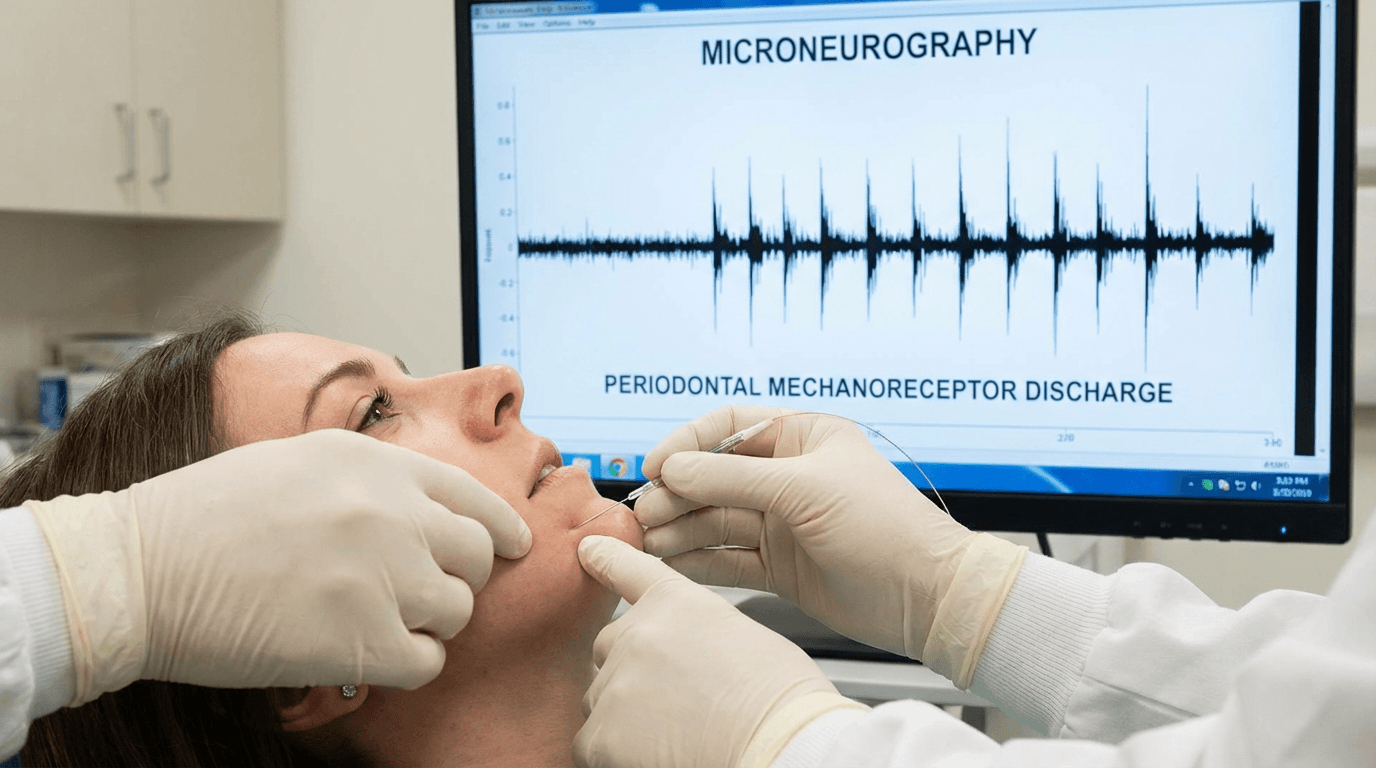
The Neurological Voltmeter: Microneurography and Resting Tone
Periodontal mechanoreceptors are not passive. Instead, they exhibit spontaneous discharge, even in the absence of external stimuli.
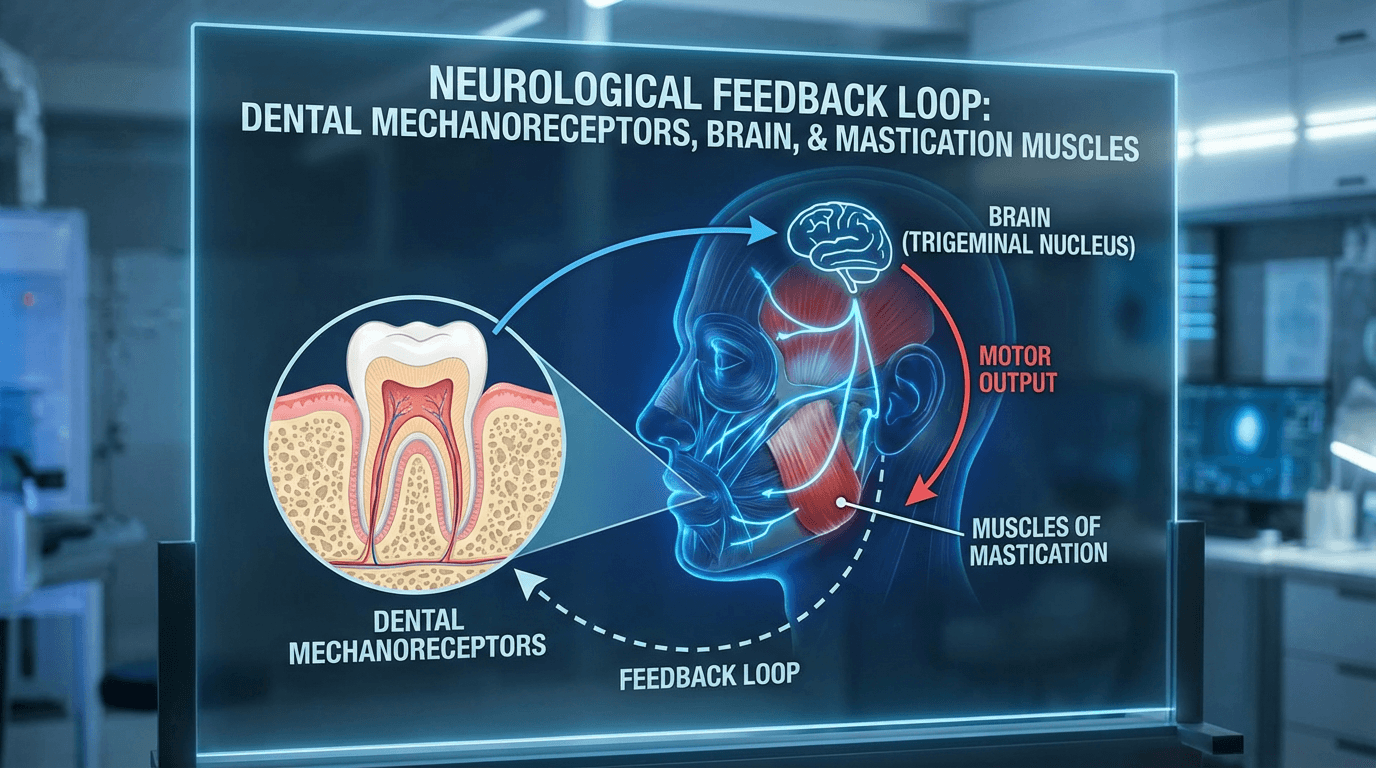
The Neurological Voltmeter: Mats Trulsson and the 50Hz Secret of Your Teeth

Sixty Studies Linking Strength With Longevity
There is a growing mountain of studies which firmly establish the link between muscle weakness and early death.

Closing the Gap: Turning Mortality Statistics into Clinical Success
How Protective Reflex Testing Resets the Software of Longevity.
Ready to Learn More?
Dive deeper into Afferentology through our comprehensive training programs.
Explore Training Courses