It is important to make the adductors part of your clinical examination as it will help you figure out what is really going on with difficult pelvic stability, low back issues and hip issues.
The adductor muscles provide essential stability for the pelvis and their testing reveals important information about the neurological status of the lower body.
The Adductors
It's really important to test the adductors and the standard approach (patient sidelying lifting their lower leg against resistance) is slow, cubersome, difficult and unreliable.
Watch the video above and learn how to test adductors in 3 different ways.
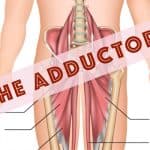
The adductors:
Attach to the pubic bone and ischium in the pelvis and the Linea Aspera of the femur.
Work closely with the medial hamstrings and gracilis to stabilise the knee.
Are associated with problems of the pubic symphysis, sacro-iliac joints, knees, hips, groin, low back and inguinal area.
Watch how we alter afferent input to change the strength of the adductors then post-check to make sure the muscle is now strong.
It's important to make the adductors part of your clinical examination as it will help you figure out what's really going on with difficult pelvic stability, low back issues and hip issues.
You can do this test between straight leg raises or any other supine examination.
I hope that has been useful.